There is something quietly captivating about a plant that appears to float inside a sphere of moss. Kokedama, the Japanese technique of wrapping roots in a soil ball and covering them with moss, turns a simple bulb or seedling into a living sculpture. When you pair this method with spring-flowering bulbs, the result feels almost magical — vibrant petals emerging from a green orb as if suspended in midair. The best part is that you do not need a greenhouse or a master gardener’s touch to pull it off. With a handful of materials and a bit of patience, anyone can create these moss-wrapped plantings at home.
That is exactly why kokedama caught my attention. It asks you to think differently about how you display plants. You are not just filling a pot. You are building a self-contained form that supports the roots while becoming part of the visual display itself. That balance of practicality and beauty is what makes it so satisfying. And when the blooms arrive in early spring, the payoff is genuinely stunning.
What Is Kokedama and Why It Works So Well for Spring Bulbs
Kokedama is a Japanese gardening technique with roots in the bonsai tradition. Instead of a ceramic pot, the plant’s roots are encased in a ball of soil, wrapped in sheet moss, and tied with twine or string. The finished piece can rest on a dish, sit on a pedestal, or hang from a ceiling hook. It gives even a humble plant a more thoughtful, artistic presence.
Kokedama works especially well when you want to highlight the shape of a plant or show off seasonal bulbs. Spring bulbs like narcissus, crocus, hyacinth, and grape hyacinth are ideal candidates because their growth habit is upright and compact. The moss ball becomes a natural pedestal that draws the eye upward toward the flowers. It is easy to see why gardeners and plant lovers have fallen for it — the technique transforms a routine planting into something display-worthy.
If you are new to kokedama, do not be intimidated. The process is straightforward, and the materials are easy to source. Once you have made one, do not be surprised if you start planning a whole collection. Each kokedama spring flowers project takes about twenty minutes of hands-on time, plus a few weeks of waiting for the bulbs to grow.
How to Make a Basic Kokedama: The Foundation Technique
Before you begin, it helps to gather everything in one place. Having your materials ready will make the process far more enjoyable — and far less messy. The same basic steps apply to all five projects in this article, so mastering this foundation will set you up for success.
What You Will Need
- Spring bulb flowers such as narcissus, crocus, hyacinth, or grape hyacinth
- Small flowering plants like primroses, pansies, or anemones if you prefer non-bulb options
- A 50:50 mix of multipurpose compost and bonsai potting mix for improved drainage
- Sheet moss, either fresh or preserved
- Twine, string, or thin ribbon
- A bowl or bucket for mixing
- Water
Step-by-Step Kokedama Instructions
Mix your soil. Combine equal parts multipurpose compost and bonsai potting mix in a bowl. The addition of bonsai soil improves drainage, which is critical for keeping roots healthy inside the moss ball. Standard potting soil alone stays too wet and can cause rot.
Add water gradually. Slowly pour in water and mix until the texture resembles a wet cake batter. It should hold together when squeezed but not drip excess water. Achieving this consistency makes it much easier to form a firm ball.
Form the soil ball. Shape the mixture into a firm ball about the size of a tennis ball or slightly larger, depending on the bulb. It should hold its shape without crumbling or dripping. If it falls apart, add a little more water. If it is too sticky, add a pinch more bonsai soil.
Insert the bulb. Gently split the ball in half. Place the bulb so the roots sit inside the soil and the growing tip points upward. Press the two halves back together and reshape the ball around the bulb. The bulb should be snug but not compressed.
Wrap with moss. Dampen the sheet moss slightly so it becomes pliable. Wrap it around the soil ball, covering the surface completely. Overlap the edges slightly so no soil is visible.
Secure with twine. Wind twine around the moss ball in multiple directions, crossing over itself to hold the moss in place. Tie a firm knot at the end. For hanging kokedama, leave a long loop of twine at the top.
Place and water. Set the finished kokedama on a dish or hang it in a spot with bright, indirect light. Water by soaking the moss ball in a bowl of water for ten to fifteen minutes whenever the moss feels dry to the touch.
5 DIY Kokedama to Make for Stunning Spring Flowers
Each of these five projects uses the same core technique but highlights a different spring flower. Choose the one that speaks to you, or make all five for a varied display that changes as the season progresses.
1. Grape Hyacinth Kokedama for a Pop of Cobalt Blue
Grape hyacinth, or muscari, produces tight clusters of tiny bell-shaped flowers in deep blue-purple. The flowers resemble upside-down grapes, which gives the plant its common name. A single bulb sends up multiple flower stalks, so one kokedama can yield a surprisingly dense burst of color.
Grape hyacinth bulbs are small, which makes them easy to work with. You can fit three to five bulbs into a single soil ball for a fuller look. Plant them with the pointed ends facing upward and space them about an inch apart inside the ball. The roots will intertwine as they grow, helping the soil ball hold its shape.
One detail that surprises many people is that grape hyacinth bulbs contain a compound called calcium oxalate, which can cause mild skin irritation. Wearing gloves while handling the bulbs is a simple precaution. Once the kokedama is complete and the moss is in place, there is no risk.
Place this kokedama on a shallow dish or saucer. The blue flowers contrast beautifully with the green moss and look especially striking against a neutral background like a windowsill or a wooden shelf. Water it every three to four days during the growing season, and reduce watering after the flowers fade.
2. Daffodil Kokedama for a Classic Spring Statement
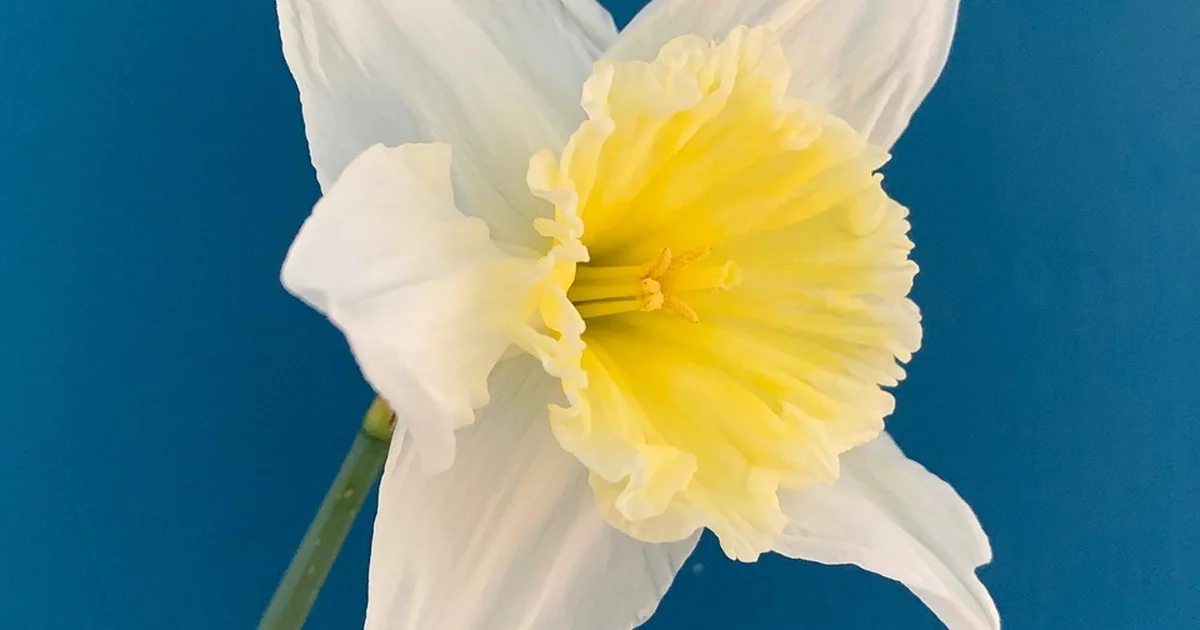
Daffodils are the quintessential spring flower. Their bright yellow or white trumpets signal the end of winter with unmistakable cheer. For kokedama, choose miniature daffodil varieties such as ‘Tête-à-Tête’ or ‘Jetfire’. These stay under ten inches tall and have proportionally smaller bulbs that fit neatly inside a moss ball.
Standard daffodil bulbs are large and can be tricky to encase in a soil ball of reasonable size. Miniature varieties solve that problem. Use one bulb per kokedama if you want a single elegant stem, or use two bulbs for a small cluster. Position the bulbs so the growing tips point slightly outward rather than straight up — this encourages the stems to arch gracefully over the edge of the moss ball.
Daffodil bulbs contain lycorine, an alkaloid that deters pests. This natural resistance means your kokedama is less likely to attract fungus gnats or other common indoor pests. It is a practical benefit that makes daffodil kokedama spring flowers projects especially low-maintenance.
Display this kokedama on a pedestal or a stack of books so the flowers sit at eye level. The vertical habit of daffodils makes them ideal for hanging displays as well. If you hang it, use a sturdy twine that can support the weight of the soil ball and the growing plant.
3. Crocus Kokedama for Early Season Color
Crocus bulbs bloom very early in spring, sometimes pushing through snow in colder climates. This makes them a wonderful choice for kokedama because you can force them indoors and enjoy flowers weeks before anything appears in the garden. The cup-shaped flowers come in purple, white, yellow, and striped combinations.
Crocus corms are small and teardrop-shaped. Plant three to five corms in a single soil ball for a dense cluster of blooms. The corms should be planted with the pointed end up and the flat basal plate at the bottom. Press them into the soil ball about half an inch deep.
One challenge with crocus kokedama is that the flowers open and close in response to light. On cloudy days or in low-light rooms, the petals may stay closed. This is normal behavior, not a sign of poor health. Place the kokedama in a south-facing window where it receives several hours of direct morning light, and the flowers will open fully.
Crocus flowers last about two to three weeks. After blooming, the foliage continues to photosynthesize and store energy for the next season. Keep watering the kokedama until the leaves yellow naturally, then allow the moss ball to dry out for a dormant period.
You may also enjoy reading: 7 Roses to Plant Now, Matching Your Perfume.
4. Pansy Kokedama for Continuous Blooms
Pansies are not bulbs, but they are one of the best spring flowers for kokedama because they bloom continuously from early spring through late spring and even into summer if kept cool. Their cheerful, face-like flowers come in an astonishing range of colors, from deep purple and orange to pale yellow and white.
Use small nursery-grown pansy plants instead of seeds or bare roots. Gently remove the soil from the roots and trim away any damaged roots before inserting the plant into the soil ball. Pansies have fibrous root systems that adapt well to the confined space of a kokedama.
Pansies prefer cooler temperatures, ideally between 45 and 65 degrees Fahrenheit. Keep your pansy kokedama in a bright spot that does not get too warm. A north-facing windowsill or a shaded porch works perfectly. If the plant starts to look leggy, pinch back the stems to encourage bushier growth.
One practical tip: pansies are edible flowers with a mild, slightly sweet flavor. They make a lovely garnish for salads or desserts. If you plan to eat the flowers, use organic potting soil and avoid any chemical fertilizers. Rinse the flowers gently before using them.
5. Hyacinth Kokedama for Fragrance and Drama
Hyacinths are among the most fragrant spring bulbs. A single hyacinth kokedama can perfume an entire room with its sweet, heady scent. The flower spikes are dense and columnar, rising six to ten inches above the moss ball in shades of pink, purple, white, and blue.
Hyacinth bulbs are large, so use one bulb per kokedama. The bulb should sit with its bottom third embedded in the soil ball and the top two-thirds exposed above the moss. This is different from other kokedama projects where the bulb is fully encased. The exposed portion of the bulb becomes part of the visual design, adding texture and interest.
Hyacinth bulbs can cause skin irritation due to calcium oxalate crystals. Wear gloves when handling them, and wash your hands thoroughly afterward. The flowers are not edible and should be kept away from pets and small children.
Water this kokedama by soaking the moss ball in a bowl for ten minutes every three to four days. Hyacinths need consistent moisture while the flower spike is developing. Once the flowers open, you can let the moss dry out slightly between waterings to prolong the bloom period.
Caring for Your Kokedama Spring Flowers
Kokedama care is straightforward but requires attention to a few key details. The moss ball should be kept consistently moist but not waterlogged. The easiest way to water is to submerge the entire moss ball in a bowl of room-temperature water for ten to fifteen minutes. Let it drain briefly before returning it to its display spot.
Bright, indirect light is best for most spring-flowering kokedama. A north or east-facing window provides the right intensity without scorching the leaves. If the moss starts to turn brown or crispy, increase the humidity by misting it lightly every few days.
Fertilize sparingly. A diluted liquid fertilizer applied once every four weeks during the growing season is sufficient. Too much fertilizer encourages leafy growth at the expense of flowers. For bulb-based kokedama, stop fertilizing once the flowers fade.
After the blooming period ends, you have two options. You can treat the kokedama as a temporary display and compost the bulbs after they finish flowering. Or you can plant the entire moss ball in the garden, where the bulbs will naturalize and bloom again in subsequent years. The moss and twine will decompose naturally in the soil.
Common Mistakes to Avoid
The most frequent mistake beginners make is using soil that drains poorly. Standard garden soil or heavy potting mix stays too wet inside the moss ball and causes root rot. The 50:50 mix of multipurpose compost and bonsai soil solves this problem because bonsai soil contains particles like akadama, pumice, or lava rock that create air pockets.
Another common error is wrapping the moss too tightly. The moss should be snug against the soil ball but not compressed. Tight wrapping restricts airflow to the roots and can lead to fungal growth. Leave a little give in the twine so the moss can breathe.
Overwatering is the third major pitfall. Because the moss holds moisture against the soil, kokedama dries out more slowly than a traditional potted plant. Check the moss with your finger before watering. If it feels damp, wait another day. If it feels dry, it is time to soak.
Why Kokedama Spring Flowers Deserve a Place in Your Home
There is a reason this ancient Japanese technique has found new popularity among modern gardeners. Kokedama asks you to slow down and work with your hands. It connects you to the plant in a way that a plastic nursery pot never can. And when the first flower opens on a moss ball you shaped yourself, the satisfaction is genuine.
These five kokedama spring flowers projects each offer something different — the deep blue clusters of grape hyacinth, the cheerful trumpets of miniature daffodils, the early blooms of crocus, the continuous color of pansies, and the intoxicating fragrance of hyacinths. Try one, or try them all. The moss, the twine, and the bulbs are waiting.