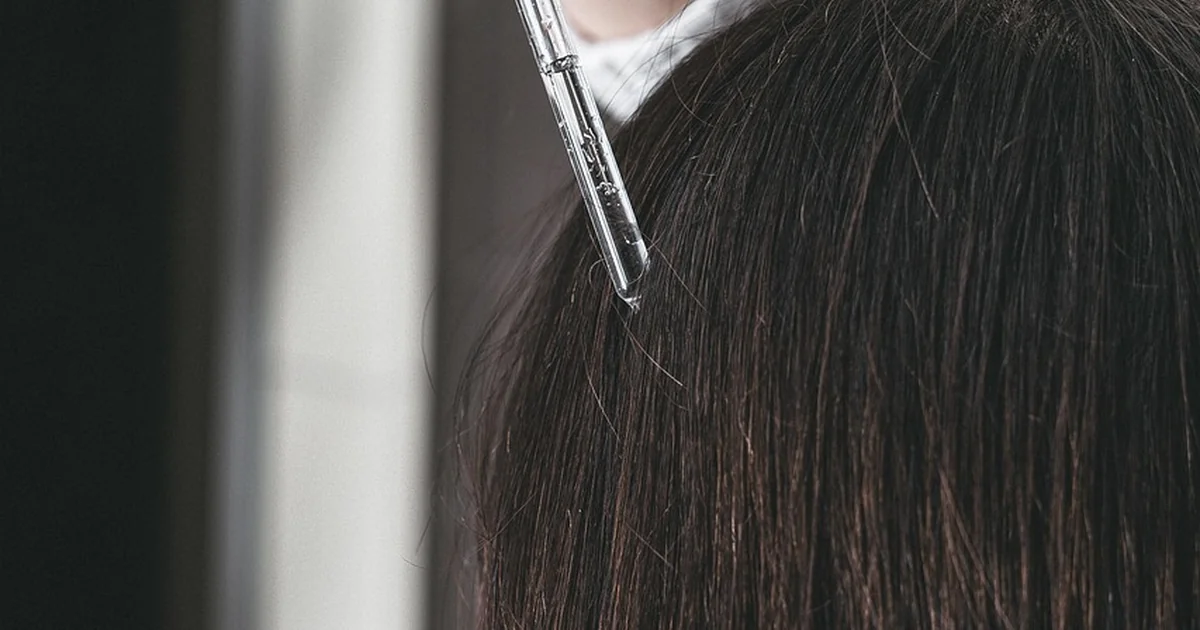
The beauty industry has witnessed a fascinating phenomenon over the past few years: the “skinification” of hair care. Ingredients once reserved for high-end facial serums and creams are now making their way into shampoos, conditioners, and scalp treatments. Leading this charge is glycolic acid, a powerhouse alpha hydroxy acid (AHA) derived from sugarcane. While dermatologists have long praised it for fading discoloration and refining skin texture, its benefits for the hair and scalp are only now gaining widespread attention. I had the same question. After consulting with experts and digging into the science, it is clear that glycolic acid hair treatments offer remarkable benefits when used correctly. Here are five specific ways this ingredient can transform your hair.
1. Deep Scalp Exfoliation: The Foundation of Glycolic Acid Hair Care
A healthy scalp is the foundation of healthy hair growth. Over time, product buildup—from dry shampoos, gels, and heavy conditioners—along with dead skin cells and hard water minerals, can create a layer of congestion on the scalp. This buildup can suffocate hair follicles, leading to lackluster growth and even itching. Glycolic acid, with its exceptionally small molecular size (the smallest of all AHAs at about 76 g/mol), penetrates deeply to dissolve the intercellular “glue” that holds dead skin cells together.
This chemical exfoliation is far gentler and more even than harsh physical scrubs, which can cause micro-tears on the delicate scalp skin. Celebrity colorist Rick Wellman describes it as a “scalp facial.” Products like the Davines NaturalTech Detoxifying Scrub Shampoo offer a holistic entry point for those new to the concept. For individuals with significant buildup from styling products or hard water, The Inkey List Glycolic Acid Exfoliating Scalp Scrub provides a stronger, more targeted treatment. Using a glycolic acid hair treatment once or twice a month can restore a clean, balanced environment for your hair to thrive.
Think of your scalp like a garden bed. If the soil is compacted and covered in debris, seeds cannot take root. Glycolic acid acts as the gentle tiller, breaking up the congestion and allowing oxygen and nutrients to reach the follicle. This process is particularly beneficial for those who use silicone-based serums or wax-based styling products, as these ingredients are notoriously difficult to remove with standard shampoos alone. By incorporating a glycolic acid scalp treatment into your routine, you are investing in the long-term health and resilience of your hair from the root up.
2. Boosting Natural Shine by Smoothing the Hair Cuticle
Dull hair is often the result of a raised, rough cuticle. When the outer layer of the hair shaft is damaged or lifted, it scatters light instead of reflecting it, resulting in a lackluster appearance. Glycolic acid works by gently smoothing the hair cuticle, encouraging it to lie flat. Just as fine-grit sandpaper creates a smooth, polished surface on wood, glycolic acid gently smooths the keratin scales of the hair cuticle.
The result is a compact, uniform surface that reflects light evenly, creating that coveted mirror-like gloss. This smoothing effect also helps to reduce frizz by preventing moisture from penetrating the hair shaft unevenly. For those seeking glossy, healthy hair, incorporating a rinse-out mask or a carefully formulated leave-in product with glycolic acid can make a significant difference in shine and manageability. A smooth cuticle reflects light like a calm lake reflects the sky, while a raised cuticle scatters light like choppy water.
It is important to note that this smoothing effect is not permanent. Because hair is not living tissue, it cannot repair itself. However, regular, gentle exfoliation with glycolic acid can maintain a smooth cuticle layer, leading to consistent shine and reduced frizz between salon visits. This makes it an excellent ingredient for those living in humid climates or for anyone who struggles with maintaining a sleek, polished look.
3. Balancing Moisture and Elasticity for Stronger Strands
One of the lesser-known properties of glycolic acid is its ability to act as a humectant. It attracts moisture from the environment and helps bind it to the hair and scalp. This is a game-changer for those struggling with dryness or brittleness. By improving the moisture content of the hair shaft, glycolic acid enhances elasticity, meaning the hair can stretch and return to its original shape without breaking. This reduces breakage and split ends over time.
Unlike harsh sulfates that can leave the scalp parched and stripped, glycolic acid supports the scalp’s moisture barrier. It helps to normalize the scalp’s natural oil production while simultaneously providing hydration. However, balance is key. Because it is an exfoliant, it is crucial to follow a glycolic acid hair treatment with a deeply hydrating conditioner or hair mask to lock in that moisture. This two-step process—exfoliate then hydrate—is the secret to achieving both strength and softness.
For individuals with high porosity hair (hair that absorbs moisture quickly but loses it just as fast), glycolic acid can be particularly beneficial. By smoothing the cuticle, it helps the hair shaft retain moisture for longer periods. This reduces the “frizz cycle” where hair becomes dry, absorbs moisture from the air, and swells unevenly. The result is hair that feels softer, looks shinier, and is less prone to mechanical damage from brushing or styling.
4. Targeting Scalp Flakes and Regulating Excess Oil
For millions of people, an oily scalp and visible flakes are a daily frustration. These issues often stem from an imbalance in cell turnover and sebum production. Harsh anti-dandruff shampoos can strip the scalp of its natural oils, leading to rebound oiliness and irritation. Glycolic acid offers a smarter, more balanced approach. It gently regulates the shedding of dead skin cells, preventing them from clumping together into visible flakes.
At the same time, it helps to normalize oil production by keeping the pores clear of congestion. The normal cell turnover cycle is about 28 days. When this cycle is disrupted by buildup, stress, or environmental factors, dead cells can accumulate. Glycolic acid helps to restore this natural rhythm. This creates a healthier, more balanced scalp environment that is less hospitable to the yeast and bacteria that can exacerbate flaking conditions.
If you have a sensitive scalp or conditions like seborrheic dermatitis, it is essential to start with a low concentration and patch test first. High-strength glycolic acid hair products can cause irritation if left on too long or used too frequently. A good rule of thumb is to start with a product that combines glycolic acid with soothing ingredients like aloe vera or panthenol. This allows you to reap the exfoliating benefits without overwhelming the scalp’s delicate barrier.
5. Enhancing Product Absorption for Optimal Hair Health
You could be using the most expensive hair serums and growth treatments on the market, but if your scalp is coated in a layer of dead skin and product residue, those active ingredients will struggle to penetrate. Glycolic acid acts as a primer for your scalp. Imagine trying to water a plant that has a layer of plastic wrap over the soil. That is what applying a growth serum to a congested scalp is like. By removing the barrier of buildup, glycolic acid creates a receptive canvas for other treatments.
You may also enjoy reading: 7 Ways Kate Moss Just Wore the Least-Practical Shoe.
Whether you are using a peptide serum for thickness, a caffeine tonic for stimulation, or a nourishing oil for hydration, prepping the scalp with a gentle glycolic acid exfoliant can significantly enhance the absorption and efficacy of your entire routine. This is where the “skinification” trend truly shines. Just as you would cleanse and exfoliate your face before applying a serum, your scalp deserves the same preparation.
A practical routine might look like this: On a Sunday evening, use a glycolic acid scalp scrub or treatment. Rinse thoroughly and follow with your regular shampoo and conditioner. The next evening, apply your targeted scalp serum to the clean, prepped skin. This strategic sequencing ensures that you are maximizing the value of every product in your hair care arsenal. The result is a more efficient routine that delivers visible results faster than using products on an unprepared scalp.
How to Use Glycolic Acid Safely for Scalp and Hair
While the benefits are compelling, glycolic acid is a potent active ingredient that demands respect. Rick Wellman, a master celebrity colorist, offers a crucial reality check. “Dumping face-grade glycolic toners straight up weekly is not a good move,” he warns. “When misused and abused, it can actually weaken hair over time and create scalp-barrier damage.” Here are the golden rules for safe use:
Limit Frequency: Use a glycolic acid treatment on the scalp or hair no more than once or twice a month. Over-exfoliation leads to fragility, breakage, and irritation. More is not better with this ingredient.
Avoid on Sensitive or Compromised Scalps: Do not use high-strength glycolic acid treatments on sunburned, irritated, or broken skin. Similarly, avoid using it immediately after a chemical hair color treatment, as it can strip color molecules and lead to uneven results.
Follow Instructions: Always adhere to the product label. A scalp massage can help activate the ingredients and improve circulation, but do not leave the product on longer than recommended. Start with a shorter contact time and gradually increase it as your scalp builds tolerance.
Manage Expectations: Understand that glycolic acid is not a hair growth treatment. It creates a healthy environment for growth by removing buildup and balancing the scalp, but it does not directly stimulate hair follicles. For hair growth concerns, consult a dermatologist or trichologist for a comprehensive plan.
Choose the Right Product: For beginners, holistic products like the Davines NaturalTech Detoxifying Scrub Shampoo offer a gentle introduction. For those with more stubborn buildup, a dedicated treatment like The Inkey List Glycolic Acid Exfoliating Scalp Scrub is a stronger option. Always consider your scalp’s sensitivity level when choosing a product.
The “skinification” of hair care is more than just a trend. It represents a deeper understanding of the connection between scalp health and beautiful hair. Glycolic acid bridges the gap between dermatology and daily hair care, offering a science-backed path to shine, strength, and balance. By respecting its power and using it strategically, you can unlock a new level of radiance for your hair that goes far beyond what standard shampoos and conditioners can achieve alone.