Spring in France does not arrive quietly. The lavender fields of Provence stir back to life after winter dormancy. Coastal promenades along the Côte d’Azur fill with morning light and the scent of salt air. In Paris, residents emerge from months of layering with a collective hunger for lightness. This seasonal shift triggers a wardrobe reset that feels almost ceremonial. Yet something has shifted beneath the surface. A number of the most recognizable French fashion stereotypes have quietly lost their footing. What was once hailed as effortlessly chic now reads as costume-like or borrowed from another decade. Understanding which pieces have fallen out of rotation and what has taken their place offers a clearer picture of how actual French women dress today.
Why Spring in France Signals a Fashion Reset
Spring in France is not merely a change of season. It is a cultural event. The arrival of longer days and warmer temperatures triggers an almost instinctual urge to shed heavy fabrics and embrace movement. French women approach this transition with a particular intentionality. They do not simply swap wool for cotton. They reconsider the entire silhouette. This is the moment when personal style gets recalibrated. The result is a burst of creativity that produces some of the most memorable street style images of the year. But it also exposes which trends have overstayed their welcome. The gap between what is worn on runways and what is actually adopted on the streets narrows considerably during this period. And in 2026, several former staples have been left behind entirely.
According to data from the Fédération de la Haute Couture et de la Mode, spring-summer collections shown in Paris over the past three seasons have shifted dramatically away from overtly thematic French references. Designers are favoring subtlety over symbolism. This aligns with a broader consumer shift. A 2024 survey by the Institut Français de la Mode found that approximately 62 percent of women aged twenty-five to forty-five in metropolitan France now actively avoid items they perceive as “tourist-friendly” or cliché. That statistic underscores a quiet rebellion against the stereotypes that have long defined French style abroad. The dated french girl trends that once dominated packing lists and editorial spreads are being replaced by choices that feel more personal and less performative.
1. Breton Stripes Give Way to Peasant Tops
Why the Nautical Classic Lost Its Appeal
The Breton stripe shirt has a storied history. Jean Seberg wore one in Jean-Luc Godard’s 1960 film Breathless, cementing its place in cinematic fashion lore. Jean Paul Gaultier brought the motif to the mainstream with his La Marinière collection, making it a signature of his house. For decades, the horizontal navy-and-white stripe was shorthand for French cool. It signaled a certain insouciance, a refusal to try too hard. But somewhere along the way, the shorthand became the whole sentence. The shirt stopped signaling effortless style and started signaling a predictable formula. By 2026, it has become one of the most frequently cited dated french girl trends among Parisian women themselves.
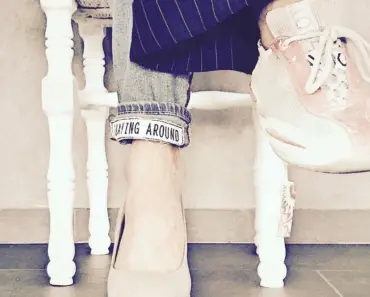
The problem is not the stripe itself. It is the ubiquity. When a single item becomes the default answer to “What should I wear?” it loses its power to surprise. French women, who prize an element of discovery in their personal style, have moved on. If stripes appear at all, they now take a vertical form. Pinstripes rendered in a crisp button-down silhouette offer a more refined nod to the nautical tradition without feeling like a costume. But the real replacement has arrived in a completely different shape.
The Peasant Top Emerges as the New Staple
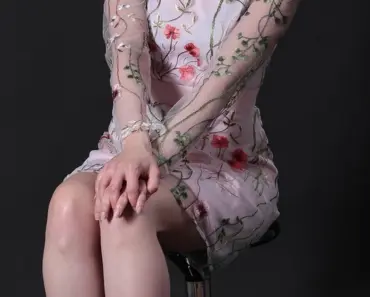
The peasant top has become the blouse of the moment. Billowy sleeves, elasticated necklines, and delicate embroidery define this silhouette. It reads as both romantic and grounded. You will see it on women walking through the Jardin du Luxembourg, at outdoor markets in the Marais, and on the terraces of Montparnasse. The appeal lies in its lack of rigidity. Unlike the structured Breton shirt, which demands a certain crispness, the peasant top allows for movement and softness. It pairs naturally with straight-leg jeans, wide-leg trousers, or even a flowing midi skirt.
For those looking to adopt this trend, a few practical considerations matter. The fit should feel generous rather than fitted. Look for options with smocked or elasticated cuffs that allow the sleeve to drape. Natural fibers like cotton voile or linen keep the silhouette airy and appropriate for spring temperatures. Brands like DÔEN have captured this mood with pieces that feature lace trim and pintucking. Reformation offers a version with billowing proportions and intricate embroidery that works well with balloon trousers or bloomers. Faithfull provides a lace-trimmed cotton option with an elasticated neckline that allows the shoulder to peek through subtly. The key is to let the top do the work and keep everything else minimal.
2. Pointed-Toe Slingbacks Step Aside for Lace-Up Ballet Flats
The Downfall of a Subversive Favorite
Pointed-toe slingbacks had a remarkable run. They stormed the runway at the Palais d’Iéna for Miu Miu’s autumn/winter 2023 collection and quickly became the shoe of choice for women who liked their style staples with a hint of subversion. The combination of a sharp toe and an open heel created a tension that felt modern. For a season or two, they were everywhere. But the French have a particular relationship with trend cycles. They engage just enough to stay current, then step back before a look becomes ubiquitous. By the time pointed-toe slingbacks reached fever pitch, French women were already looking elsewhere.
The issue is one of saturation. When a shoe silhouette appears on every influencer feed and in every window display, it loses the element of discovery that makes dressing interesting. The pointed toe, once a symbol of quiet edge, began to feel aggressive rather than refined. The slingback strap, which initially offered a playful reveal of the heel, started to read as fussy. French women, who gravitate toward ease above all else, abandoned the style with remarkable speed. In its place, a softer, more grounded option has emerged.
Why Lace-Up Flats Are Winning
Lace-up ballet flats represent a return to delicacy. They take the classic ballerina silhouette and add just enough detail to feel current without screaming for attention. The lacing creates visual interest at the ankle and allows for a customized fit. Brands like Chloé, Repetto, and Sœur have all produced versions that lean into this trend with subtle variations. Some feature ribbon-like ties that wrap around the ankle. Others use thin leather straps that evoke a more structured feel.
The practical advantage of this style cannot be overstated. Ballet flats have always been a staple of French wardrobes because they accommodate the walking-heavy lifestyle of Parisian life. The lace-up version adds a layer of sophistication that the classic round-toe flat sometimes lacks. It pairs effortlessly with everything from cropped trousers to midi dresses. For spring 2026, this is the shoe that bridges the gap between comfort and polish. Women who invest in a quality pair will find themselves reaching for it far more often than they ever reached for the slingback.
3. Oversized Basket Bags Are No Longer in Rotation
From Market Staple to Overdone Trope
The oversized basket bag enjoyed a long moment in the sun. It emerged as the ultimate summer accessory, a nod to the market baskets carried by French grandmothers for generations. Designers elevated the form with leather trims and structured handles, turning a utilitarian object into a fashion statement. For several seasons, it was the bag to carry. It signaled a relaxed, sun-drenched approach to style. But the basket bag has now crossed the threshold from charming to predictable. When a bag becomes so closely associated with a specific aesthetic that it feels almost mandatory, it loses its spontaneity.
The challenge with oversized basket bags is practical as well as stylistic. They are cumbersome on crowded metro cars. They offer little in the way of organization. And they have become so widely copied at every price point that the original design intention has been diluted. French women, who value discretion and ease, have moved toward options that feel more intentional and less seasonal.
What Replaces the Giant Tote
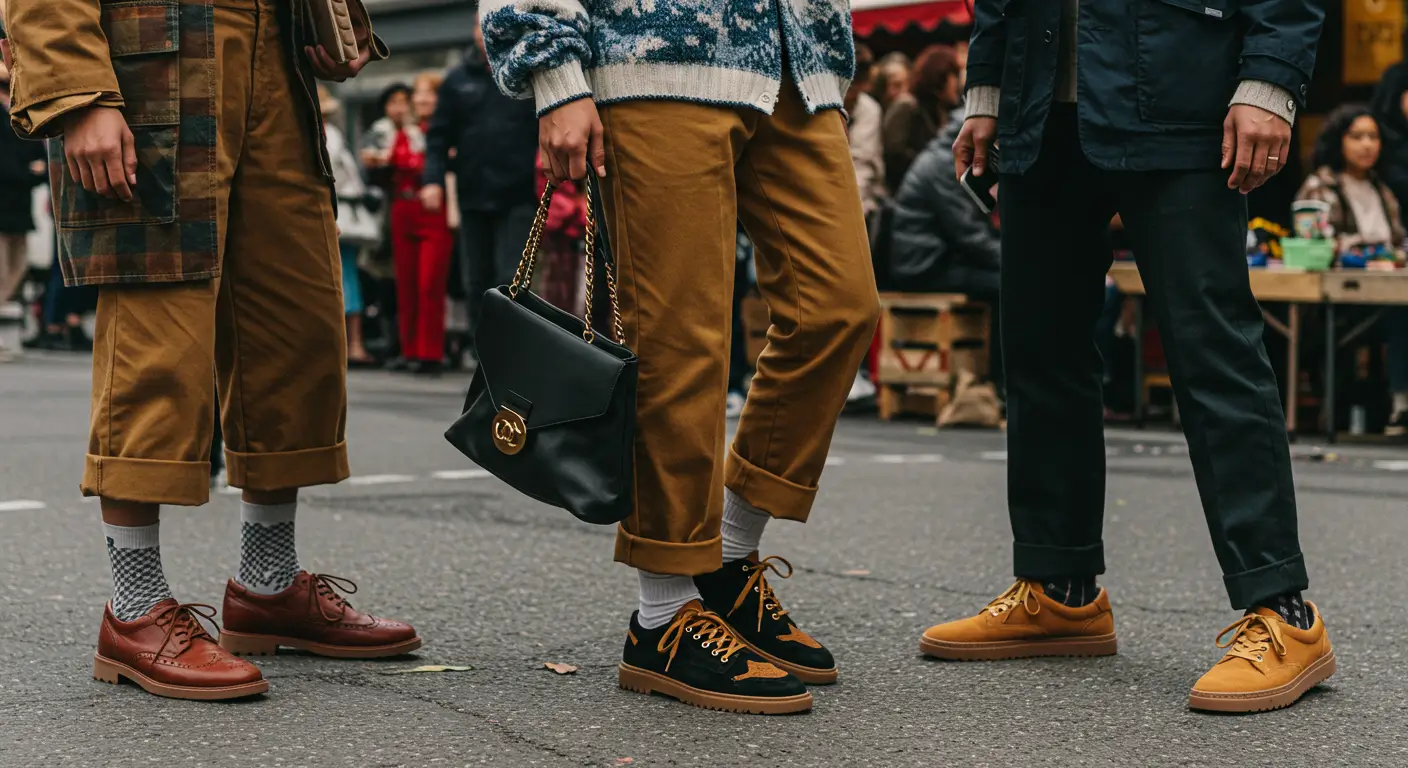
The replacement for the oversized basket bag is not a single silhouette but a category shift toward structured, handheld designs. Think small leather buckets, rectangular top-handle bags, and crossbody styles with clean lines. The emphasis is on quality of material and precision of construction rather than volume. A well-made leather bag in a neutral tone offers year-round versatility that the basket bag never could. It also signals a different kind of confidence. The message is not “I am on vacation” but rather “I have considered my choices.”
For spring 2026, look for bags in materials like calfskin, suede, or woven leather that retain a textural interest without resorting to straw or raffia. Colors like taupe, cognac, and soft black dominate. The size should be compact enough to carry daily essentials without excess. A structured silhouette with a single top handle or a short crossbody strap aligns perfectly with the modern French approach to accessories. It is intentional, refined, and entirely free of trend fatigue.
You may also enjoy reading: 7 Times Emily Blunt Nailed the Sheer Michael Kors Bodysuit.
4. Bold Red Lips Make Room for Softer Finishes
The Problem with a Single Signature Look
Red lipstick has long been considered the ultimate French beauty signature. It appears in countless style guides, packing lists, and editorial features as the one product no French woman leaves home without. But this generalization has always been more myth than reality. While a bold red lip certainly has its place, the idea that it functions as a daily uniform for the majority of French women is a convenient fiction. In practice, many women find a high-impact lip color impractical for everyday wear. It requires maintenance, careful application, and a certain willingness to be the center of attention. For running errands, commuting, or meeting friends for a casual coffee, it often feels like too much.
The shift away from red lips also reflects a broader change in beauty philosophy. French women have increasingly embraced a “less is more” approach that prioritizes skin health over color intensity. A glowing complexion, groomed brows, and a subtle flush carry more weight than a single dramatic feature. The red lip, once a shortcut to looking put-together, now reads as slightly theatrical in many contexts. It has become one of the dated french girl trends that beauty editors and everyday women alike are quietly retiring.
Modern Lip Choices for Everyday Wear
The replacement for the bold red lip is a spectrum of softer finishes. Tinted lip balms, sheer glosses, and satin-finish lipsticks in muted rose, peach, or berry tones offer color without the weight. The effect is more diffused, more forgiving, and far more adaptable to changing light and activity levels. Brands like La Bouche Rouge and Violette_FR have released formulations that prioritize hydration and a natural finish. The goal is to enhance the lip’s natural color rather than replace it.
Application matters here. A soft lip color can be applied without a mirror, touched up throughout the day without precision, and layered over lip balm for a custom intensity. This ease of use aligns perfectly with the French preference for beauty routines that integrate seamlessly into real life. For evenings or special occasions, a bolder lip can still make an appearance. But as a daily default, the softer finish has won the day.
5. Berets Bow Out in Favor of Minimal Accessories
When a Symbol Becomes a Costume
The beret occupies a complicated position in French fashion. It is undeniably iconic. It carries associations with artists, revolutionaries, and cinema. But it has also become one of the most heavily commodified symbols of Frenchness in the global imagination. Walk through any souvenir shop in Paris and you will find racks of berets in every color. This mass-market saturation has drained the accessory of its original subversive charm. Wearing a beret today risks signaling allegiance to a stereotype rather than an expression of personal style.
French women are acutely aware of this dynamic. The beret has not disappeared entirely, but its usage has narrowed significantly. It now appears primarily on older women who have worn it for decades and on tourists who want a tangible souvenir of their trip. Among younger French women, the beret has become a rare sight. The desire to avoid cliché outweighs any nostalgic attachment to the accessory. The search for something fresher has led to a category of accessories that feel more personal and less loaded with cultural baggage.
Contemporary Headwear That Feels Fresh
The alternative to the beret is not another hat. It is a move toward minimal hair accessories that serve a functional purpose while adding a subtle decorative note. Silk scarves tied around a ponytail or used as a headband offer a touch of color without overwhelming the face. Thin leather headbands in neutral tones provide structure and keep hair in place without looking fussy. Barrettes and clips in tortoiseshell or matte metal add a quiet detail that rewards close attention.
This approach aligns with the broader theme of the season: refinement over decoration. The goal is not to announce a look but to complete it. A silk scarf in a muted print, tied loosely at the nape of the neck, carries more sophistication than a beret ever could. It references the same heritage of French elegance but does so without the weight of stereotype. For women who want to acknowledge tradition without being defined by it, this is the path forward.
The evolution of French spring style in 2026 tells a story of intentionality. Each of these five shifts represents a move away from the generic and toward the personal. The dated french girl trends that once defined an entire aesthetic have been replaced by choices that feel more grounded, more adaptable, and more honest. Peasant tops, lace-up flats, structured bags, soft lip colors, and minimal hair accessories are not revolutionary items. They are simply better suited to the way women actually live. And that, perhaps, is the most French approach of all.