Dahlia enthusiasts often find themselves caught in a familiar cycle: planting in spring, patiently waiting for summer, and sometimes, sadly, accepting that the blooms won’t arrive until late September. But what if you could bypass this extended wait? What if you could move the bloom timeline forward by up to four weeks, ensuring a spectacular display in July instead? It’s not magic, but a carefully orchestrated series of spring dahlia care steps that can dramatically accelerate growth and flowering. These techniques, while perhaps a little unconventional, offer a potent way to get a headstart on your dahlias, leading to bigger, sturdier flowers and a truly impressive garden. Let’s delve into the seven simple steps that will transform your spring dahlia experience. This is about more than just planting; it’s about stimulating the plant’s natural potential. This is a system to move the bloom timeline forward by up to four weeks, help you get more flower heads, and lead to bigger, sturdier flowers.
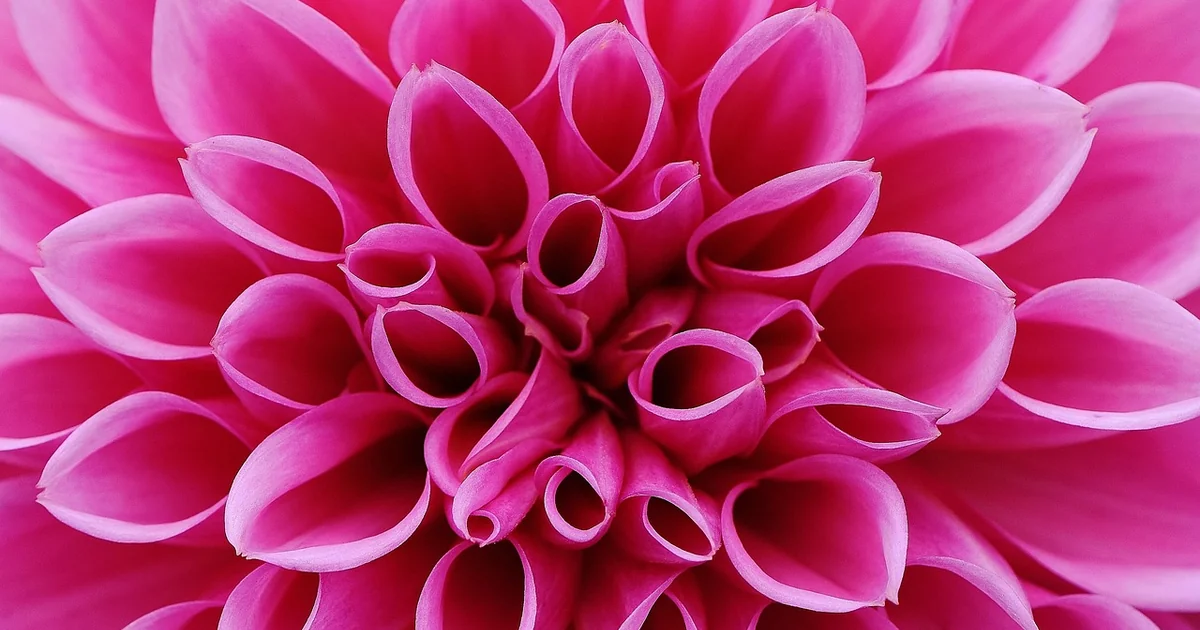
The dahlia’s metabolic rate is tied strictly to temperature and moisture availability. By artificially manipulating these factors in April, you bypass the slow start phase that usually happens in the cold, damp ground of early May. Our three insider secrets for the perfect dahlia plant care in spring might seem a little odd or excessive, but we promise that these simple tasks are effective and worth every second of your time, even if you don’t live in USDA zones 8 and above (where dahlias are hardy). These three dahlia secrets for April can make the difference between a nice dahlia showing and a neighborhood spectacular. Of course, the right soil temperature can help when planting. If you need clear, easy-to-understand temperature readings, the Luster Leaf Rapitest Digital Soil Thermometer, available from Amazon, takes the guesswork out of expensive tuber planting. But using these three secrets, you will be giving your dahlia tubers a headstart now so they hit their stride when they are in the garden.
Step 1: The Rehydration Ritual – Awakening Dormant Tubers
After storing dahlias over the winter, the tubers often appear shriveled and lifeless. This isn’t necessarily a sign of death; it’s simply a state of dormancy. Think of it like a hibernating bear – the tuber is conserving energy, waiting for the right conditions to wake up. But simply placing them in the ground won’t do the trick. They need a gentle nudge, a rehydration ritual to reactivate the cambium layer – the tissue responsible for growth – and stimulate the development of “eyes” (the buds that will eventually sprout into flowers). This process is vital for jumpstarting dormancy and doubling your flower count.
The key is moisture. Don’t just water them; immerse them. Fill a container with lukewarm water (around 65-70°F/18-21°C) – not hot, not cold. Submerge the tubers completely, ensuring they’re fully saturated. A good rule of thumb is to leave them in the water for 24-48 hours. This allows the water to penetrate the tuber, rehydrating the cells and activating the growth hormones. Consider using seaweed extract at this stage – a natural source of plant hormones that further encourages sprouting. A teaspoon per gallon of water is generally sufficient, but always follow the manufacturer’s instructions. This isn’t just about survival; it’s about priming the plant for rapid growth. Many growers err on the side of dry because rot is permanent. But ideally, as well as keeping tubers cool (40-45°F/4.4-7.2°C), dahlia tubers need to be just barely moist. Remember, the goal is to gently awaken the plant’s potential, not to drown it.
Step 2: Harnessing the Power of Hotboxing – A Temperature Boost
Now for a slightly more involved technique: hotboxing. This involves creating a warm, humid environment for your rehydrated tubers. The idea is to mimic the conditions of a warm spring day, stimulating early eye development. It’s a controversial method, and some purists frown upon it, but the results can be impressive, particularly in cooler climates. The science behind it is rooted in plant physiology – warmer temperatures accelerate metabolic processes, including cell division and growth.
You can create a makeshift hotbox using a clear plastic storage container with a lid. Place the rehydrated tubers inside, along with a damp paper towel to maintain humidity. Then, cover the container with a heat lamp (ensure it’s positioned correctly to avoid burning the tubers – about 12-18 inches away is a good starting point). Maintain a temperature of 75-80°F (24-27°C). Monitor the tubers closely, ensuring they don’t dry out. This technique can effectively move the bloom timeline forward by up to four weeks, and it’s a particularly useful tool for those living in cooler regions where the natural warming of the soil is slow. While this might seem extreme, it’s a targeted way to give your dahlias the jumpstart they need. A surprising statistic is that dahlias grown using this method can sometimes flower as early as July, even in areas where the average last frost occurs in late September.
Step 3: Strategic Soil Preparation – More Than Just Digging a Hole
Don’t underestimate the importance of soil preparation. Dahlias thrive in well-drained, fertile soil rich in organic matter. Simply planting the tubers in the ground without proper preparation is like setting a runner on concrete – it won’t get far. Start by amending the soil with compost, well-rotted manure, or other organic materials. This improves drainage, provides nutrients, and creates a more hospitable environment for root growth. Consider raising the planting beds slightly to further improve drainage.
Also, ensure the soil temperature is suitable. As we’ve discussed, dahlias are temperature-sensitive. The ideal soil temperature for planting is 60-70°F (15-21°C). You can use a soil thermometer to monitor the temperature and, if necessary, cover the plants with a frost blanket during cold nights. Remember, a healthy, well-prepared soil is the foundation for strong, vigorous growth. It’s an investment that will pay off in the form of bigger, more beautiful blooms. As a reminder, the Luster Leaf Rapitest Digital Soil Thermometer, available from Amazon, takes the guesswork out of expensive tuber planting.
Step 4: Planting Depth – Finding the Sweet Spot
Proper planting depth is crucial for successful dahlia growth. The eyes (buds) on the tubers should be just above the soil surface. Planting too deeply can prevent them from sprouting, while planting too shallowly can expose them to frost damage. A general rule of thumb is to plant the tubers about 6-8 inches deep, with the top of the tuber just slightly exposed.
The specific planting depth will vary depending on the size of the tuber and the type of dahlia. Larger tubers can be planted deeper, while smaller tubers should be planted shallower. Also, consider the soil type – in sandy soils, you may need to plant the tubers deeper to ensure they are adequately anchored. Don’t be afraid to experiment to find the optimal planting depth for your specific conditions. Precision in this step can make or break the early bloom success.
You may also enjoy reading: 7 Best Snake Plant Soil Mixes for Growth.
Step 5: Consistent Moisture – The Key to Vigorous Growth
Once the tubers are planted, consistent moisture is essential. Dahlias need regular watering, especially during dry periods. However, avoid overwatering, as this can lead to root rot. Aim for about 1-2 inches of water per week. The best way to water dahlias is at the base of the plant, avoiding wetting the foliage, which can increase the risk of fungal diseases.
Mulching around the plants with organic matter, such as straw or wood chips, can help retain moisture and suppress weeds. Regular monitoring is key – check the soil moisture regularly and adjust your watering schedule accordingly. Think of it as giving your dahlias a constant supply of hydration, fueling their growth and preparing them for their stunning display. A surprising fact is that the growth rate of dahlias can be significantly impacted by humidity levels. While consistent moisture is vital, a slightly elevated humidity level can further encourage growth and flowering.
Step 6: Fertilizing for Success – Fueling the Blooms
Dahlias are heavy feeders, and regular fertilization is essential for promoting healthy growth and abundant blooms. Start fertilizing the plants about 4-6 weeks after planting, using a balanced fertilizer with a high phosphorus content (the middle number on the fertilizer label). Phosphorus promotes root development and flower formation.
You can also supplement with seaweed extract, which provides trace minerals and growth hormones. Follow the manufacturer’s instructions for application rates. Avoid over-fertilizing, as this can damage the plants. A steady supply of nutrients will ensure your dahlias have the energy they need to produce those spectacular blooms. Consider using a slow-release fertilizer for sustained feeding. As a fun fact, research has shown that dahlias actually absorb nutrients through their leaves, so providing them with a rich source of nutrients in the air can be just as beneficial as feeding the roots.
Step 7: Observation and Adjustment – A Responsive Approach
Finally, remember that gardening is a dynamic process. Don’t just stick rigidly to your plan; be observant and adjust your approach as needed. Pay attention to the plants’ growth and appearance. Are the leaves a vibrant green? Are the buds forming? Are the flowers opening? If you notice any problems, such as yellowing leaves or stunted growth, take corrective action.
This might involve adjusting your watering schedule, adding more fertilizer, or providing additional protection from the elements. The key is to be responsive to the plants’ needs and to adapt your care accordingly. Dahlias are passionate plants – they respond to attentive care. By observing your dahlias closely and making adjustments as needed, you can maximize their potential and enjoy a truly spectacular display. Ultimately, success in dahlia cultivation comes down to understanding the plant’s needs and providing them with the right conditions to thrive. The scientific research into dahlia growth cycles has revealed some fascinating insights. For example, studies have shown that dahlias require a specific ratio of potassium to phosphorus for optimal bloom development – a fact that can be easily addressed through targeted fertilization.
In conclusion, moving the bloom timeline forward with these seven simple steps isn’t just about getting your dahlias to flower earlier; it’s about appreciating the passion and dedication of these remarkable plants. By combining rehydration, strategic temperature manipulation, proper soil preparation, consistent moisture, and attentive observation, you can unlock the full potential of your dahlias and enjoy a stunning display in July – or even earlier. Don’t be intimidated by the techniques – they’re straightforward, and the rewards are well worth the effort. Happy gardening!