
ALDI’s latest addition to its gardening lineup – the Gardenline Mini Drop Over Greenhouse – is capturing the attention of home gardeners everywhere. It’s not just a cute novelty; it’s a surprisingly effective tool for extending the growing season, protecting delicate seedlings, and fostering a more successful gardening experience, especially for those with limited space. But a mini greenhouse is more than just a pretty container; it’s a strategically designed environment that offers tangible benefits. Let’s delve into the real reasons why investing in a mini greenhouse, particularly one from a retailer like ALDI, can dramatically elevate your gardening game. This little greenhouse will extend your growing season and protect seedlings from any late frosts and any pesky animals. We’ll explore exactly how to get the most out of this compact gardening solution, from optimal placement to maximizing its protective capabilities.
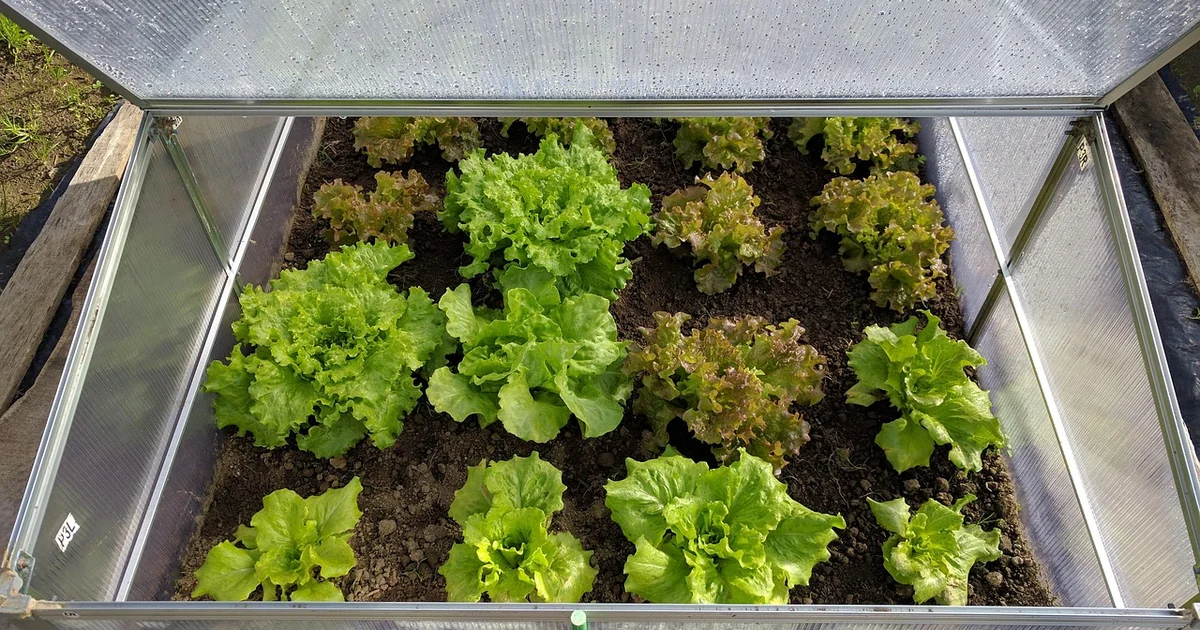
The rise in popularity of small-space gardening and container gardening has fueled demand for compact gardening solutions, and the mini greenhouse perfectly fits the bill. It’s a significant step up from simply covering plants with a cloth – offering a truly controlled microclimate. And with prices often under $30, it’s a remarkably accessible entry point to year-round gardening, even for beginners. Let’s explore the seven key ways you can maximize your Aldi mini greenhouse and reap its considerable rewards.
1. Extend Your Growing Season – Beyond the Last Frost
One of the most significant benefits of a mini greenhouse is its ability to dramatically extend your growing season. Traditional gardeners often face the challenge of late spring frosts or early autumn frosts, which can decimate newly planted seedlings. A mini greenhouse creates a warm, sheltered environment that protects delicate plants from these temperature fluctuations. According to studies by the USDA, extending the growing season by just a few weeks can result in a substantial increase in yields for many vegetables and flowers. The Gardenline Mini Drop Over Greenhouse, at 24.6 inches square, provides ample space for starting seeds indoors weeks before the last expected frost, giving your plants a head start. Consider growing lettuce, spinach, or even tomatoes indoors through the winter months, enjoying fresh produce long after the outdoor season has ended. Historically, greenhouses were a luxury for the wealthy, but innovations like this mini greenhouse are making them accessible to everyone.
2. Seed Starting and Propagation – A Controlled Environment
Beyond extending the season, a mini greenhouse is an ideal environment for seed starting and propagation. The controlled temperature and humidity within the greenhouse create optimal conditions for seeds to germinate and young plants to develop strong roots. The ideal temperature for germination varies depending on the plant species, but a mini greenhouse typically maintains a consistent temperature range of 68-77°F (20-25°C). This is particularly crucial for plants with specific temperature requirements, like orchids or African violets. Furthermore, the enclosed environment protects seedlings from drafts, pests, and fluctuations in outdoor conditions. Studies have shown that plants started indoors in a controlled environment have a significantly higher survival rate than those sown directly in the ground. Interestingly, the early success of seed starting using a mini greenhouse can boost a gardener’s confidence and motivation throughout the season. You can grow vegetable seedlings, flower seedlings, or even propagate cuttings from existing plants – all within the protective embrace of your mini greenhouse.
3. Animal Protection – Shielding Seedlings from Pests
Another key advantage of a mini greenhouse is its ability to protect seedlings from a variety of pests. Birds, squirrels, and other animals are notorious for raiding newly planted seedlings, often decimating entire crops. The enclosed nature of the mini greenhouse creates a barrier, deterring these unwanted visitors. The zippered opening with ties further enhances this protection, allowing you to securely close the greenhouse and prevent access. Consider the plight of a new gardener attempting to grow herbs – a single visit from a squirrel can ruin weeks of effort. A mini greenhouse provides a vital defense, allowing plants to develop undisturbed. Even larger pests, like slugs and snails, are less likely to venture into a confined space. The Gardenline Mini Drop Over Greenhouse provides a calm and safe environment for young plants to thrive, shielding them from the elements and unwanted critters.
4. Humidity Control – A Critical Factor for Success
Maintaining proper humidity levels is crucial for successful seed starting and propagation, and a mini greenhouse excels at this. Seedlings require a consistently humid environment to prevent them from drying out, especially during the early stages of development. The enclosed space of the mini greenhouse traps moisture, creating a humid microclimate that promotes healthy growth. However, it’s important to note that excessive humidity can lead to fungal diseases, so ventilation is key. The zippered opening with ties allows you to regulate airflow, preventing the greenhouse from becoming overly damp. Research suggests that humidity levels between 60-80% are ideal for most seedlings. This is particularly important for tropical plants that require high humidity to thrive. The mini greenhouse provides a controlled environment that mimics the conditions found in their natural habitats, ensuring optimal growth.
5. Strategic Placement – Maximizing Sunlight Exposure
The effectiveness of a mini greenhouse depends heavily on its placement. Sunlight is the lifeblood of any plant, and strategic placement is essential for maximizing its exposure. Ideally, place your mini greenhouse in a location that receives at least six hours of direct sunlight per day. South-facing windows are generally the best option, as they receive the most sunlight throughout the day. However, if you live in a cloudy climate, east- or west-facing windows may be more suitable. Avoid placing the greenhouse in shaded areas, as this will reduce its effectiveness. Consider the angle of the sun throughout the day and adjust the placement of the greenhouse accordingly. Furthermore, ensure that the greenhouse is not obstructed by trees or buildings, which could block sunlight. A little bit of thought goes a long way in maximizing the benefits of your mini greenhouse. Think of it like putting a solar panel in the best possible spot – you’ll get the most power when it’s exposed to direct sunlight.
You may also enjoy reading: Revolutionize Your Mountain West Spring Garden with These 7 Expert Layout Hacks.
6. Addressing the Size Challenge – Pot and Planter Compatibility
A common question among potential mini greenhouse users is, “What if my pots or planters are too large?” The Gardenline Mini Drop Over Greenhouse is designed to accommodate a variety of container sizes, but it’s important to consider the dimensions of your pots and planters. While it’s 24.6 inches square, it’s not designed to hold massive, oversized containers. However, it’s perfectly suited for smaller pots, seed trays, and railing planters – ideal for growing herbs, lettuce, and other small vegetables. You can also create a tiered system by placing smaller pots inside the greenhouse, maximizing space utilization. Consider using plant stands or shelves to elevate plants and create more room for airflow. DIY solutions, such as building a simple wooden frame to support larger pots, can also be employed. The key is to adapt the mini greenhouse to your specific gardening needs and space constraints. Don’t let the size limit your creativity – there are plenty of ways to make it work.
7. Sustainability and Reduced Reliance on Commercial Produce
Finally, using a mini greenhouse contributes to a more sustainable gardening practice. By starting your own seeds and propagating plants, you reduce your reliance on commercially grown produce, which often travels long distances and requires significant resources. Growing your own herbs, vegetables, and flowers not only provides fresh, healthy food but also minimizes your carbon footprint. The mini greenhouse is a simple yet effective way to connect with nature and embrace a more eco-friendly lifestyle. It’s a tangible step towards reducing waste and supporting local food systems. Moreover, it fosters a deeper appreciation for the natural world and the cycles of growth and renewal. The Gardenline Mini Drop Over Greenhouse is an affordable and accessible way to contribute to a more sustainable future, one seedling at a time.
In conclusion, the ALDI Gardenline Mini Drop Over Greenhouse offers a surprising range of benefits for gardeners of all levels. From extending the growing season and protecting seedlings to controlling humidity and reducing reliance on commercial produce, this compact greenhouse is a valuable addition to any gardening toolkit. By understanding the principles of optimal placement and ventilation, you can unlock the full potential of your mini greenhouse and enjoy a more successful and rewarding gardening experience. It’s a small investment that can yield significant returns – both in terms of produce and personal satisfaction. Consider it, grab it from ALDI, and start growing!