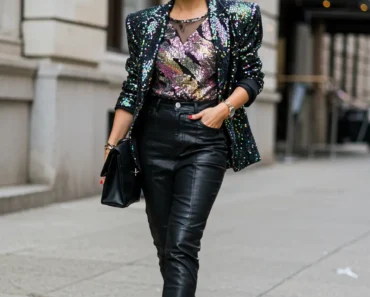
Why do platform heels and knee-high boots from the 1970s dominate modern runways when other vintage footwear fades into obscurity?
70s Style Women’s Shoes: The Complete Guide to Iconic Retro Footwear in 2026
The 1970s stands as a decade of bold fashion experimentation, and 70s style women’s shoes sat at its vibrant core, embodying the era’s fearless spirit through every platform heel and bohemian clog. From towering disco platforms that dominated Studio 54 dance floors to sleek knee-high boots worn by rock legends like Patti Smith, these shoes captured the essence of disco glamour, punk rebellion, and bohemian freedom that defined an entire generation’s approach to self-expression.
This comprehensive guide explores the rich history, iconic designs, and modern styling strategies for 70s style women’s shoes in 2026. You’ll discover fresh outfit ideas that balance retro charm with contemporary sophistication, practical solutions to common styling challenges, and insights into the sustainability and cultural impact that make these shoes relevant decades after their debut. Whether you’re a dedicated vintage enthusiast hunting authentic pieces or a modern trendsetter looking to incorporate retro elements into everyday wardrobes, let’s dive into the groovy world of retro footwear and make it shine in your personal style!
The 2026 revival of 70s style women’s shoes reflects more than simple nostalgia—it represents a desire for distinctive footwear that makes statements in an era of mass-produced uniformity. These shoes offer height, comfort, personality, and versatility that modern designs struggle to match. The decade’s emphasis on bold silhouettes and quality craftsmanship creates timeless appeal that transcends temporary trends, explaining why fashion-forward individuals from Los Angeles to New York continue embracing these iconic styles.
Style Secret: Retro platforms and boots bring instant height and vintage charm, perfect for pairing with flowy maxi dresses or tailored high-waisted jeans. The key lies in balancing bold footwear with streamlined clothing for modern appeal.
The Cultural Impact of 70s Style Women’s Shoes
The 1970s emerged as a time of profound cultural rebellion, with music, film, and social movements dramatically shaping fashion trends across America and beyond. 70s style women’s shoes became powerful canvases for self-expression, reflecting the era’s diverse cultural vibes through every design choice. Disco culture brought glittering platform heels that allowed dancers to stand tall while moving freely on packed dance floors. Punk rock introduced rugged sneakers and combat boots that rejected mainstream polish. The bohemian movement popularized earthy clogs and natural materials that celebrated connection to nature and rejection of corporate conformity.
Style icons like Cher and Joni Mitchell transformed these shoes into powerful symbols of freedom and individuality that transcended simple fashion choices. When Cher appeared on television in towering platforms, she challenged conventional ideas about appropriate femininity. When Joni Mitchell performed in simple leather clogs, she demonstrated that comfort and artistry could coexist with style. These weren’t just celebrities wearing shoes—they were cultural leaders using 70s style women’s shoes to communicate values and identities.
Empowerment Through Footwear Design
The 1970s feminist movement found an unexpected ally in footwear design. Platform heels and bold boots empowered women during a decade of social transformation, offering designs that commanded attention in professional settings newly opened to female participation. The height provided by platforms gave women literal and metaphorical elevation in spaces where they fought for recognition and respect. Unlike delicate stilettos that restricted movement, 70s style women’s shoes combined height with stability, allowing women to stand tall without sacrificing comfort or mobility.
This functional empowerment represented revolutionary thinking in footwear design. Women could wear impressive heels to important meetings without suffering through pain or instability. They could dance all night without removing their shoes. They could walk confidently down city streets without wobbling. This practical revolution in 70s style women’s shoes paralleled larger social shifts, giving women tools to participate fully in public life without sacrificing style or comfort.
The Modern Revival and Contemporary Relevance
Today’s revival of 70s style women’s shoes reflects deeper cultural desires beyond simple nostalgia. In our age of digital uniformity and fast fashion homogeneity, these distinctive designs offer opportunities for personal expression that mass-produced contemporary footwear often lacks. The 2026 fashion landscape shows renewed appreciation for nostalgic flair and versatile designs that work across multiple contexts—from professional offices to weekend brunches to evening events.
Museums and cultural institutions recognize the significance of 70s footwear in fashion history. The Victoria & Albert Museum in London features extensive exhibitions on 1970s fashion, showcasing how 70s style women’s shoes reflected and influenced broader cultural movements. These exhibitions help modern audiences understand that these weren’t just shoes—they were wearable manifestations of cultural revolutions that reshaped society. Explore detailed 70s fashion history at the V&A Museum.
Iconic 70s Style Women’s Shoes and Modern Styling Techniques
The 1970s produced a remarkable range of footwear designs, each connected to specific cultural moments and style tribes. Understanding these distinct styles helps you select 70s style women’s shoes that align with your personal aesthetic while incorporating them successfully into 2026 wardrobes. Here’s how iconic 70s footwear shines in contemporary contexts:
Platform Heels: Disco Glamour Meets Modern Sophistication
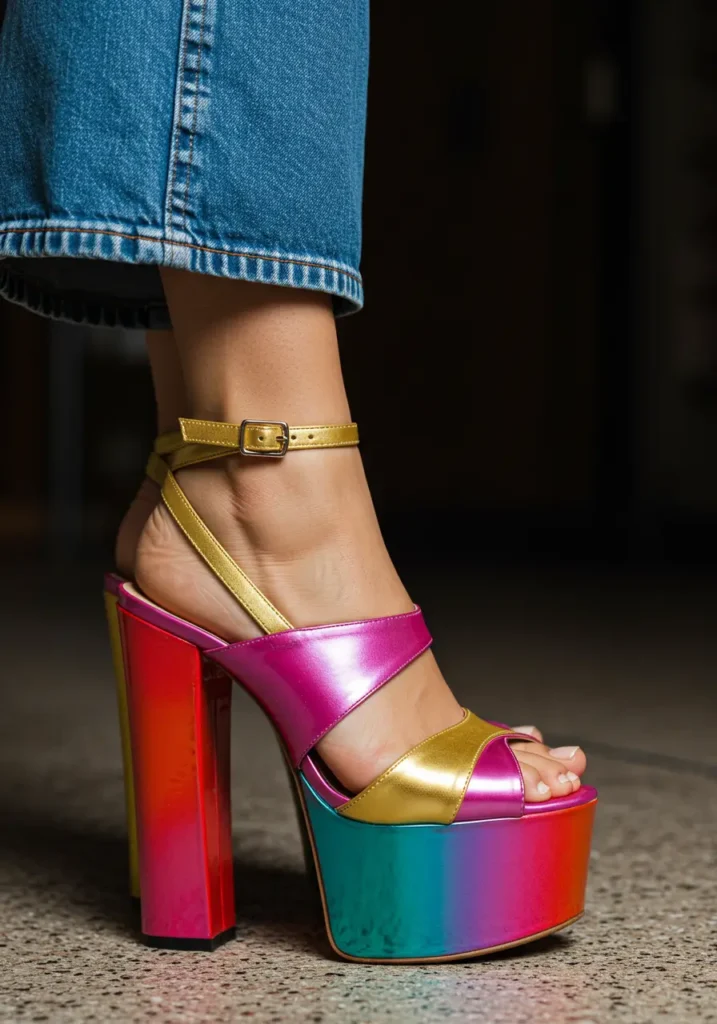
Platform heels defined disco fashion with their thick soles in vibrant colors, metallic finishes, and occasionally transparent lucite that showcased architectural design. These 70s style women’s shoes added dramatic height while allowing dancers to move freely across Studio 54’s famous floors without the instability of traditional stilettos. The platform sole distributed weight more evenly than conventional heels, creating the revolutionary combination of height and comfort that made all-night dancing feasible.
Modern versions of these retro shoes prioritize enhanced comfort through cushioned insoles, memory foam technology, and ergonomic design that improves upon vintage construction. Contemporary platform heels maintain the iconic thick sole aesthetic while incorporating materials and engineering that reduce foot fatigue. In 2026, these shoes pair beautifully with flared jeans for casual weekend looks, mini dresses for evening events, or even tailored jumpsuits for fashion-forward professional settings. The key involves choosing platforms in proportions that complement your height and frame—shorter individuals benefit from moderate platforms, while taller wearers can handle more dramatic heights.
Knee-High Boots: Rock and Roll Rebellion
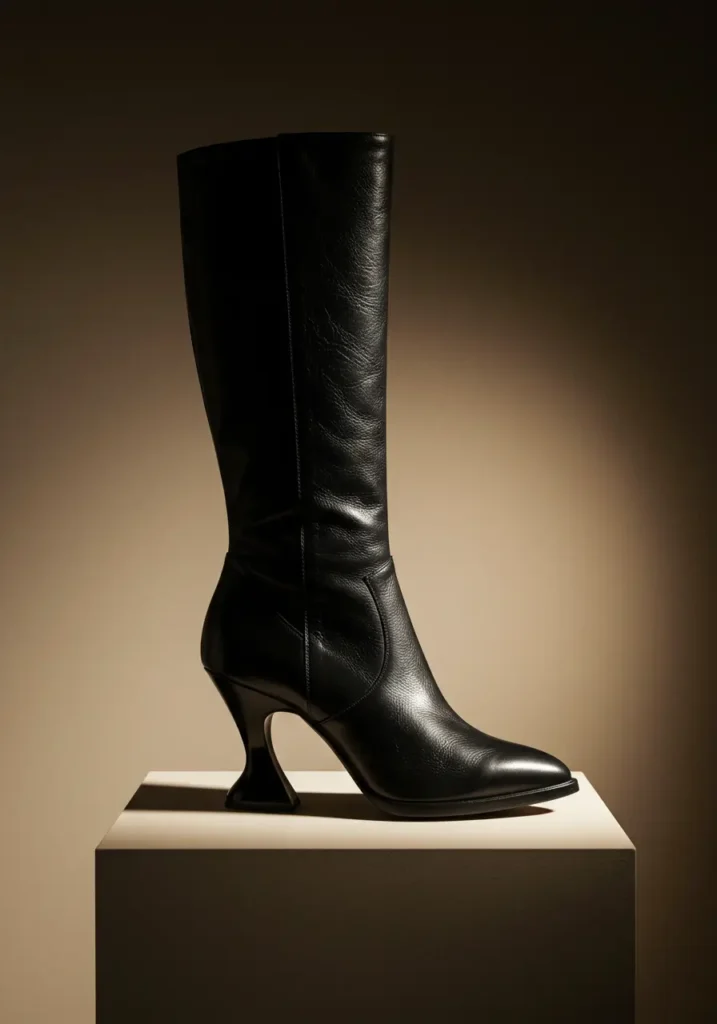
Sleek knee-high boots in supple leather or glossy vinyl defined 70s rock and roll aesthetic, worn by style icons like Patti Smith who used them to create androgynous, powerful silhouettes that challenged feminine fashion conventions. These 70s style women’s shoes made statements about confidence and nonconformity, particularly when paired with the decade’s emerging punk aesthetic. The fitted design created long, lean leg lines that worked equally well with mini skirts and skinny jeans.
Today’s knee-high boots honor 70s design while incorporating modern improvements like side zippers for easy wearing, stretch panels for better fit, and weatherproof materials for practical use. Contemporary styling pairs these boots with oversized knit sweaters for cozy weekend looks, tailored skirts for sophisticated office outfits, or leather leggings for edgy evening ensembles. The versatility of knee-high boots makes them valuable wardrobe investments—they transition seamlessly from season to season and occasion to occasion. Choose boots in classic colors like black, cognac, or chocolate brown for maximum versatility, or embrace bold burgundy or forest green for distinctive personality.
Wedge Sandals: Bohemian Comfort
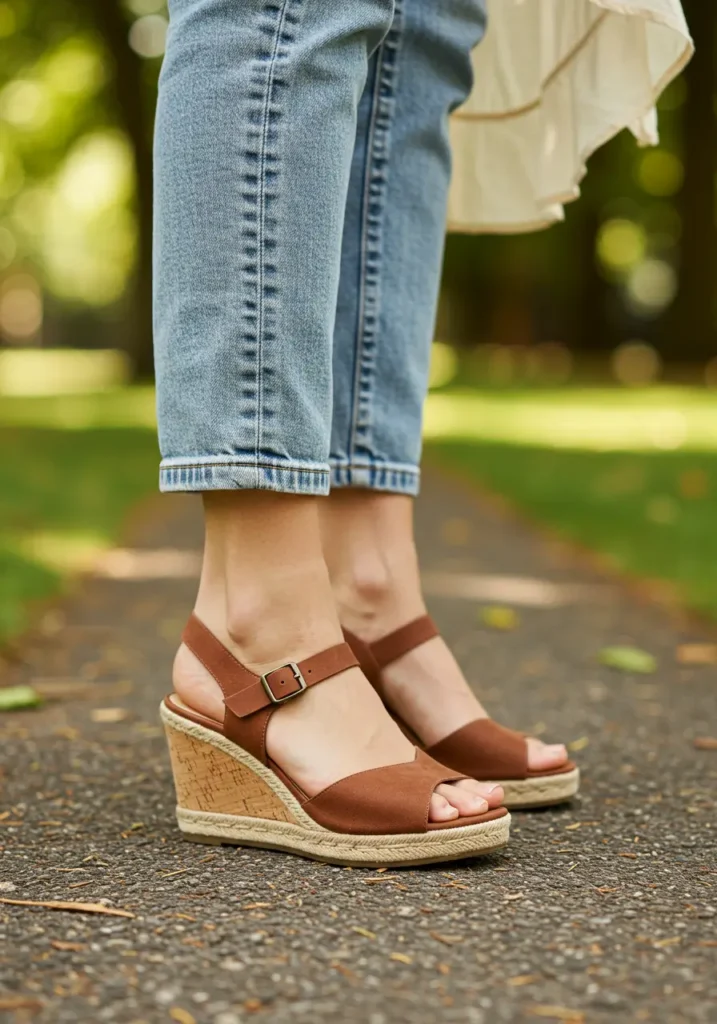
Wedge sandals became synonymous with 70s bohemian lifestyle, featuring cork or wooden soles that connected with the decade’s environmental consciousness and natural materials movement. These 70s style women’s shoes blended comfort with boho charm through earthy aesthetics, woven straps, and organic shapes that celebrated craftsmanship over mass production. The wedge design provided height without the instability of traditional heels, making them ideal for outdoor festivals, beach towns, and casual summer gatherings.
Modern wedge sandals honor this heritage while adding contemporary refinements like padded footbeds, adjustable straps for custom fit, and updated materials that improve durability. In 2026, these shoes pair perfectly with flowy maxi skirts for romantic weekend looks, cropped wide-leg pants for sophisticated casual style, or sundresses for effortless summer elegance. The natural materials in cork and wood wedges align with contemporary sustainability values, making them appealing choices for environmentally conscious consumers. Look for wedges with cushioned insoles and arch support to ensure all-day comfort during extended wear.
Clogs and Mules: Free-Spirit Functionality
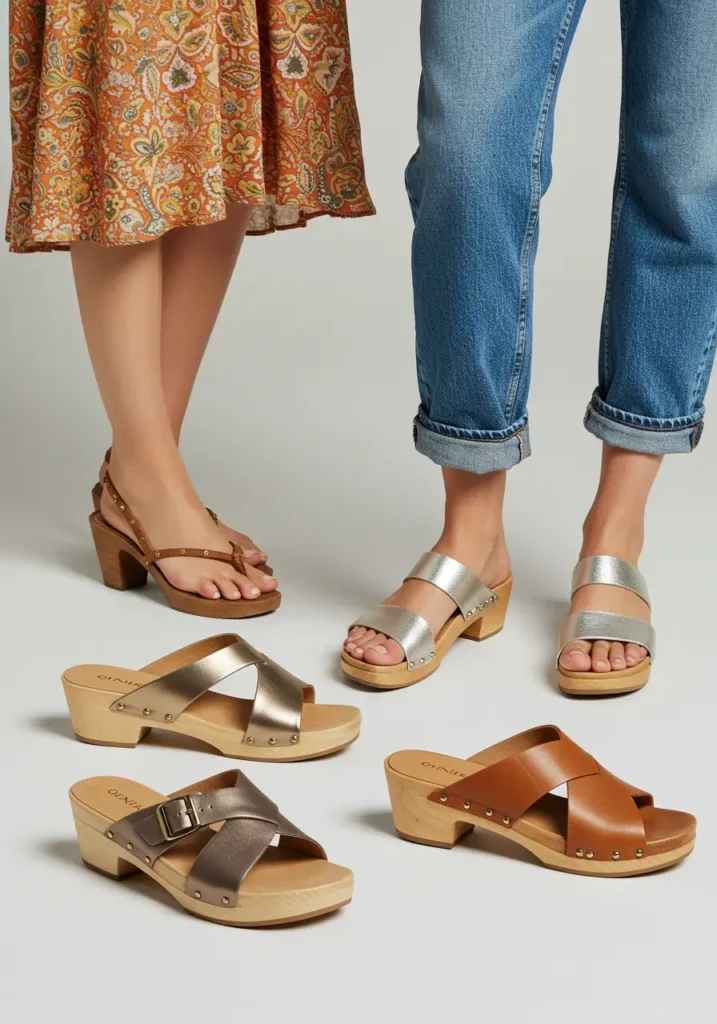
Clogs and open-toe mules captured the free-spirit aesthetic that defined 70s counterculture, offering easy slip-on convenience that rejected the fussy fasteners of conventional footwear. These 70s style women’s shoes emphasized natural materials like wood, cork, and undyed leather that aligned with environmental values gaining prominence during the decade. The wooden sole provided natural arch support while creating distinctive clicking sounds that announced the wearer’s presence—an auditory signature that became part of the clog’s appeal.
Contemporary clog designs add sleek leather straps, metallic accents, and refined silhouettes that elevate the original utilitarian aesthetic into fashion-forward statements. Modern interpretations work beautifully with casual dresses for relaxed weekend style, cropped denim for laid-back chic, or even tailored trousers for unexpected professional looks that showcase personal style. The resurgence of brands like Swedish Hasbeens and Lotta from Stockholm demonstrates renewed appreciation for traditional clog craftsmanship. When selecting clogs, pay attention to strap placement and width—well-designed straps prevent sliding and ensure secure fit during walking.
Which style of 70s footwear resonates most with your personal aesthetic—disco platforms, rock and roll boots, bohemian wedges, or free-spirit clogs? Share your favorite in the comments and tell us how you’d style them today!
Essential Items for Styling 70s Style Women’s Shoes
Building a wardrobe around 70s style women’s shoes requires gathering key essentials that complement retro footwear while creating cohesive, modern looks. These foundational items help you maximize versatility and create numerous outfit combinations from limited pieces:
The Foundation Pieces
- Statement Platform Heels: Invest in one pair of quality platforms in bold metallic, rich jewel tones, or classic black that works across multiple occasions from parties to dinners
- Versatile Knee-High Boots: Choose suede or leather boots in earthy tones like cognac or chocolate, or glossy finishes in black that pair with everything from dresses to jeans
- Comfortable Wedges or Clogs: Select cork-soled designs in neutral colors for maximum versatility, ensuring they feature cushioned footbeds for extended wear
- Complementary Clothing: Build outfits with flared jeans, high-waisted trousers, maxi skirts, midi dresses, and tailored blazers that balance bold footwear with streamlined silhouettes
- Proper Maintenance Tools: Acquire suede brushes, leather conditioners, weatherproofing sprays, and shoe trees to keep 70s style women’s shoes in pristine condition for years
Where to Find Quality 70s Style Women’s Shoes
Sourcing authentic vintage pieces or quality reproductions requires knowing where to look. Specialty retailers like ModCloth offer curated selections of retro-inspired footwear that captures 70s aesthetics with modern comfort features. Local vintage boutiques provide opportunities to examine authentic pieces in person, ensuring proper fit and condition before purchase. Online marketplaces like Etsy connect you with vintage dealers and artisans creating handmade reproductions using traditional techniques.
Thrift stores and consignment shops yield occasional treasures at budget-friendly prices, though finding your size requires patience and regular visits. Estate sales in areas with older populations often feature pristine vintage footwear from original owners who maintained their collections carefully. Contemporary brands like Steve Madden, Jeffrey Campbell, and Free People produce modern interpretations of 70s style women’s shoes at various price points, making retro style accessible regardless of budget constraints.
How to Style 70s Style Women’s Shoes: A Complete Step-by-Step Guide
Integrating 70s style women’s shoes into modern outfits becomes simple when you follow these strategic steps that balance retro elements with contemporary sensibilities. This approach prevents costume-like appearances while celebrating vintage charm:
Step 1: Select Your Retro Shoes
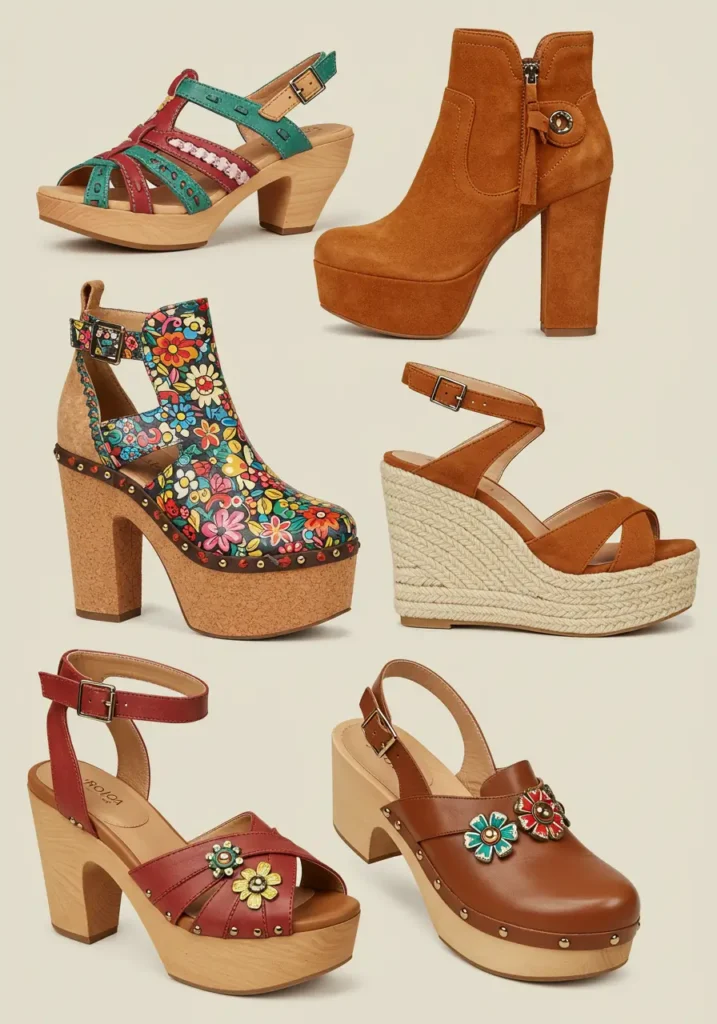
Begin by choosing platforms, boots, wedges, or clogs based on your personal style preferences and the occasion you’re dressing for. Consider comfort requirements—platforms work well for shorter periods while wedges handle extended standing better. Match shoe style to the formality level of your event, with sleek boots suiting professional contexts and playful platforms perfect for social gatherings.
Step 2: Pair with Modern Outfits
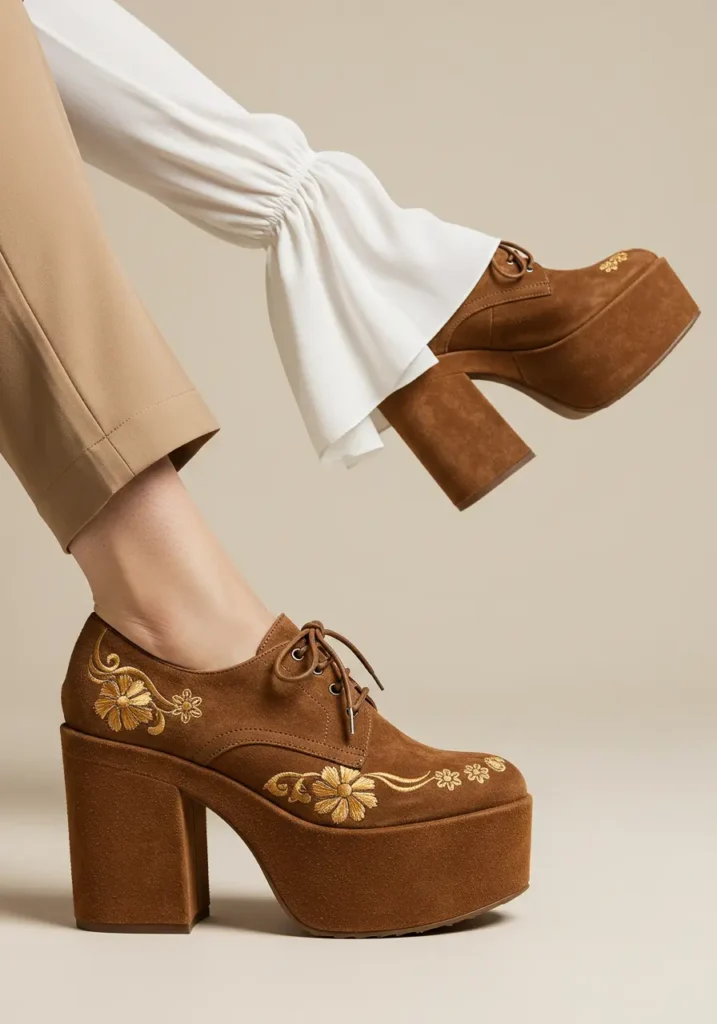
Balance bold 70s style women’s shoes with fitted tops, tailored pants, or sleek dresses for contemporary appeal that prevents costumey vibes. The key involves creating visual balance—if your shoes make dramatic statements through height or color, keep clothing relatively simple with clean lines and minimal patterns. This contrast allows footwear to shine as focal points while maintaining overall outfit sophistication.
Step 3: Add Retro Accessories
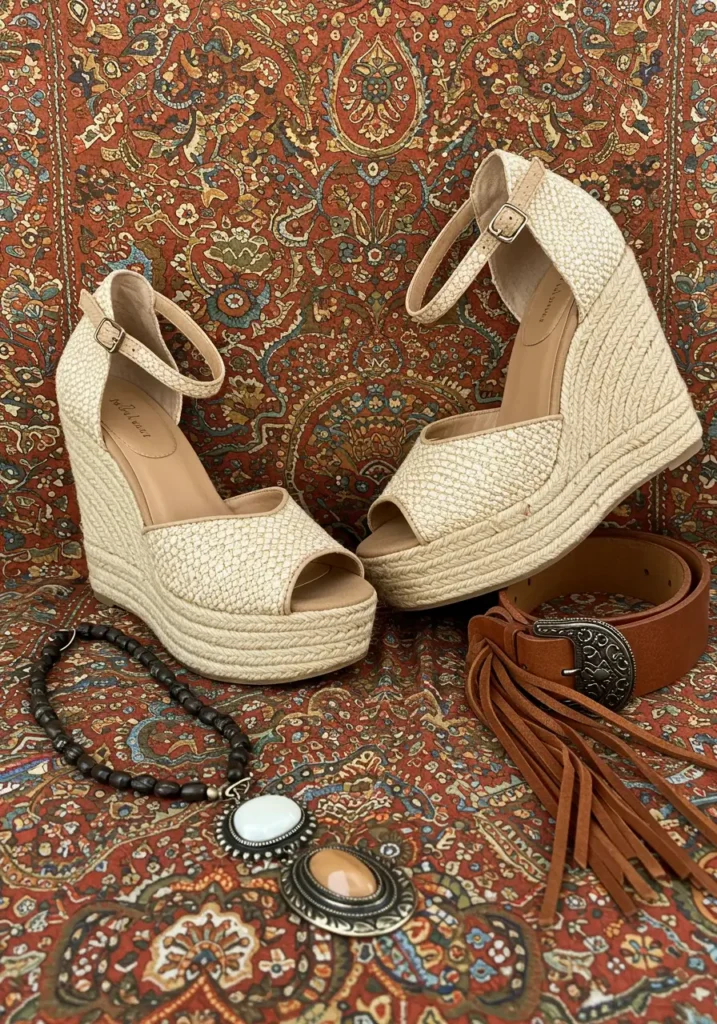
Enhance the 70s vibe through carefully selected accessories like silk headscarves, wide leather belts, oversized sunglasses, or statement jewelry featuring geometric shapes and natural materials. These supporting elements create cohesive retro themes without overwhelming outfits. Limit accessories to 2-3 statement pieces maximum to maintain sophisticated looks rather than costume territory.
Step 4: Experiment with Colors
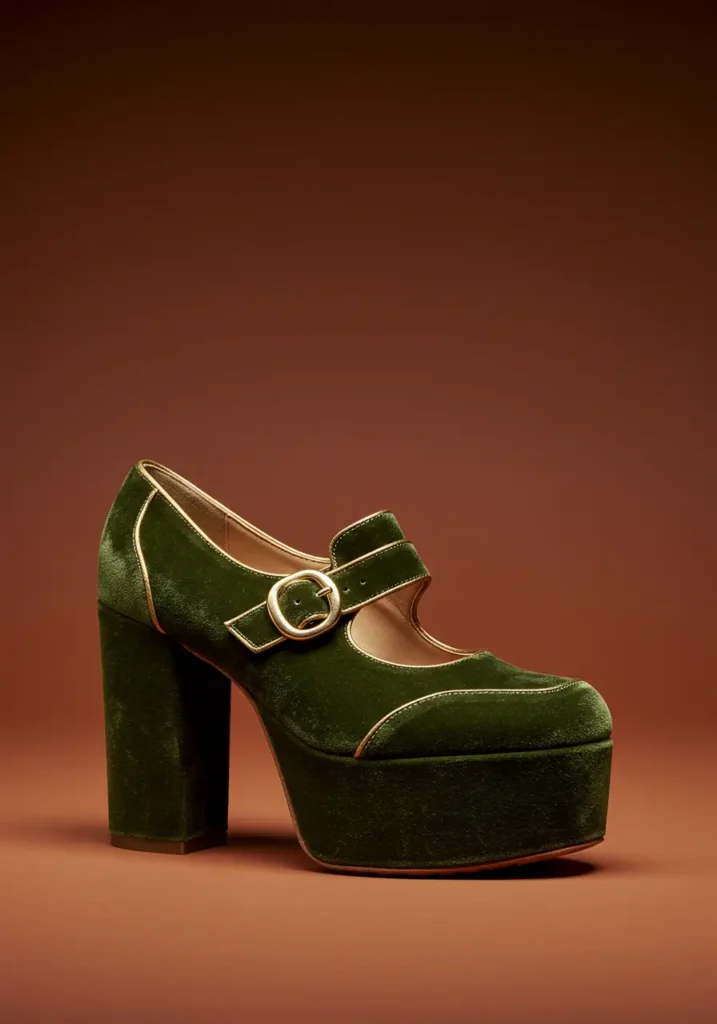
Embrace earthy tones like rust, mustard, burnt orange, and olive that defined 70s palettes, or choose metallics in gold, silver, or bronze that capture disco glamour. Color experimentation helps you discover what flatters your complexion and personal style. Don’t fear bold combinations—70s fashion celebrated unexpected color pairings that contemporary minimalism often avoids.
Step 5: Consider the Occasion
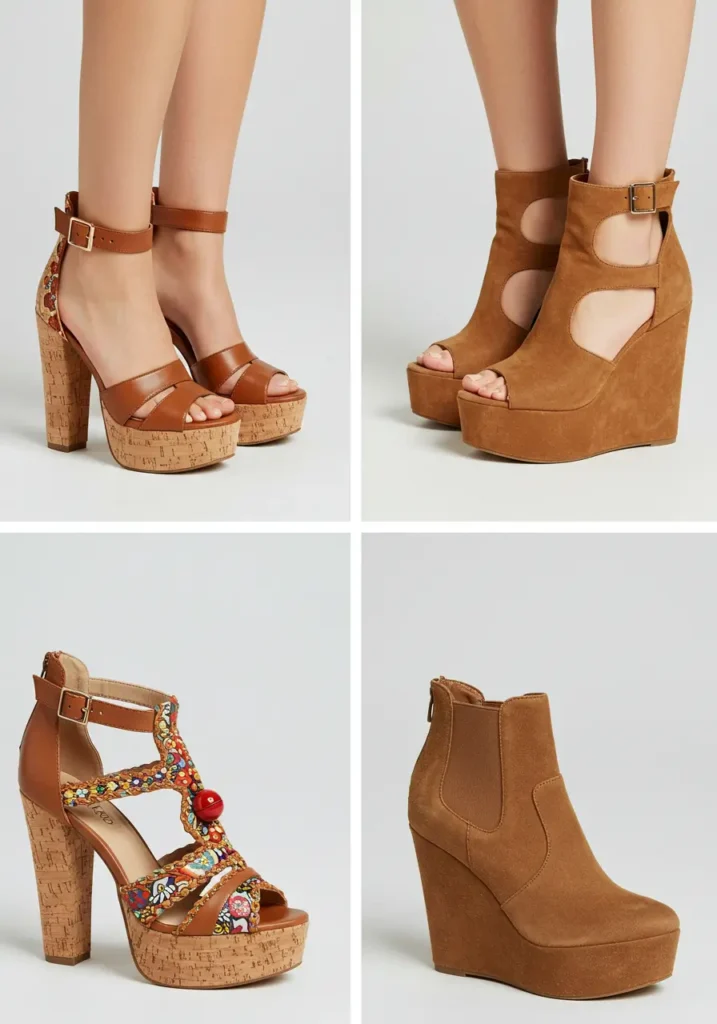
Choose platforms or sandals for casual outings where playful style takes priority, while selecting polished boots or sophisticated wedges for formal events and professional settings. Matching 70s style women’s shoes appropriately to occasions ensures versatility in your footwear investment. Consider weather and activity level—platforms handle indoor events better while wedges work well for outdoor gatherings on grass or uneven terrain.
Step 6: Prioritize Comfort
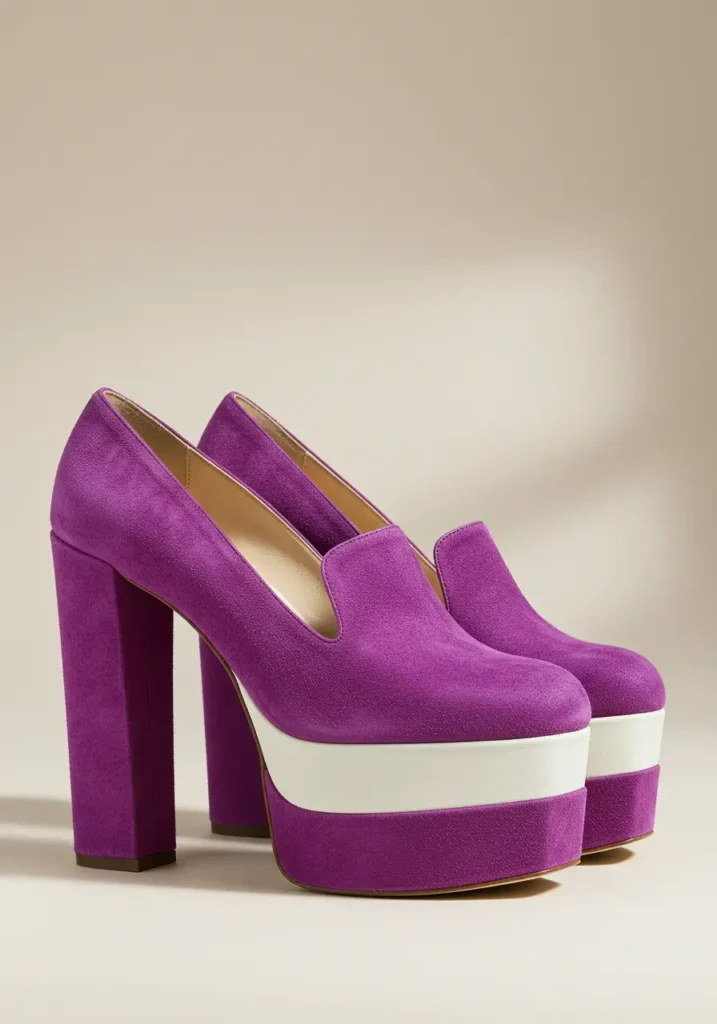
Ensure 70s style women’s shoes remain wearable all day by adding cushioned gel insoles, choosing modern designs with arch support, and breaking in shoes gradually before major events. Comfort doesn’t compromise style—it enhances it by allowing confident posture and natural movement. Consider keeping foldable flats in your bag as backup options for extended wear situations.
Related Reading: Bohemian Fashion US: 9 Effortless Style Secrets for Women — Discover how to pair your 70s footwear with flowing bohemian outfits for cohesive retro looks.
Hidden Gems: Lesser-Known Aspects of 70s Style Women’s Shoes
While platforms and boots dominate discussions about 70s footwear, several lesser-known aspects of 70s style women’s shoes deserve attention for complete understanding of this influential era:
Empowerment Through Fashion: The Political Dimension
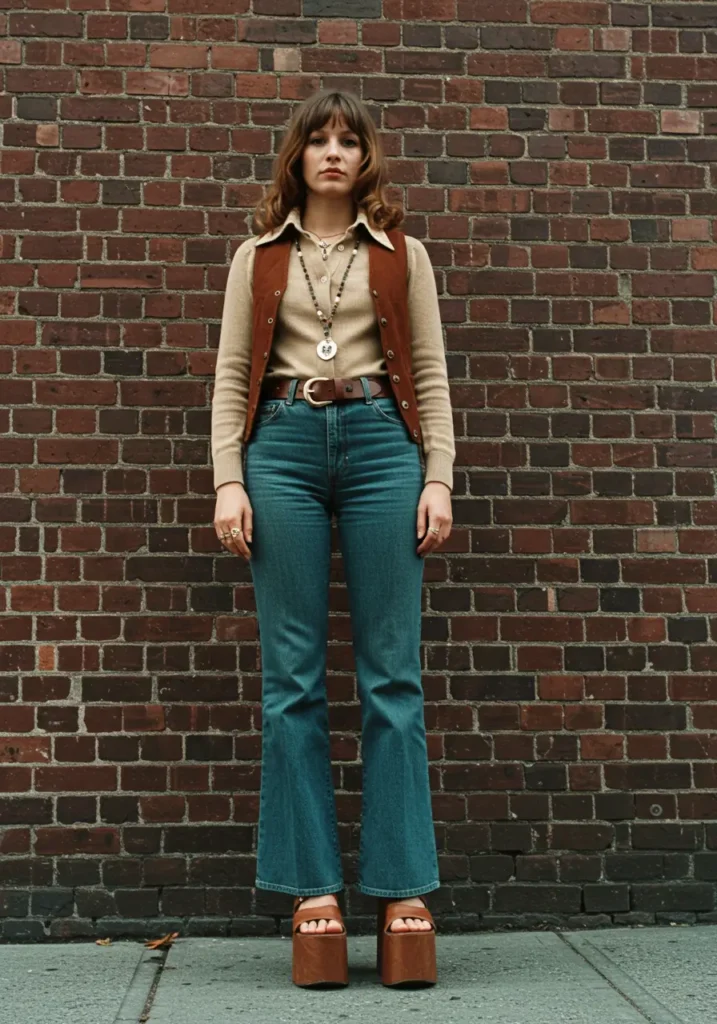
Towering platforms gave women bold physical presence during the 1970s feminist movement, creating literal elevation that symbolized the social advancement women sought in professional and political spheres. These shoes weren’t just fashion choices—they represented political statements about women’s right to occupy space and command attention. When women entered boardrooms and professional offices in platform heels, they challenged assumptions about appropriate feminine presentation while refusing to sacrifice style or stature.
The practical design of platforms—stable despite dramatic height—paralleled feminist arguments about women’s capability to handle roles traditionally reserved for men. Just as platforms proved women could wear impressive heels while maintaining functionality, the broader movement demonstrated women could succeed in demanding careers while maintaining femininity. This symbolic relationship between 70s style women’s shoes and social progress explains why contemporary feminist writers and historians continue examining 70s footwear as cultural artifacts reflecting larger societal shifts.
Music and Pop Culture’s Profound Influence
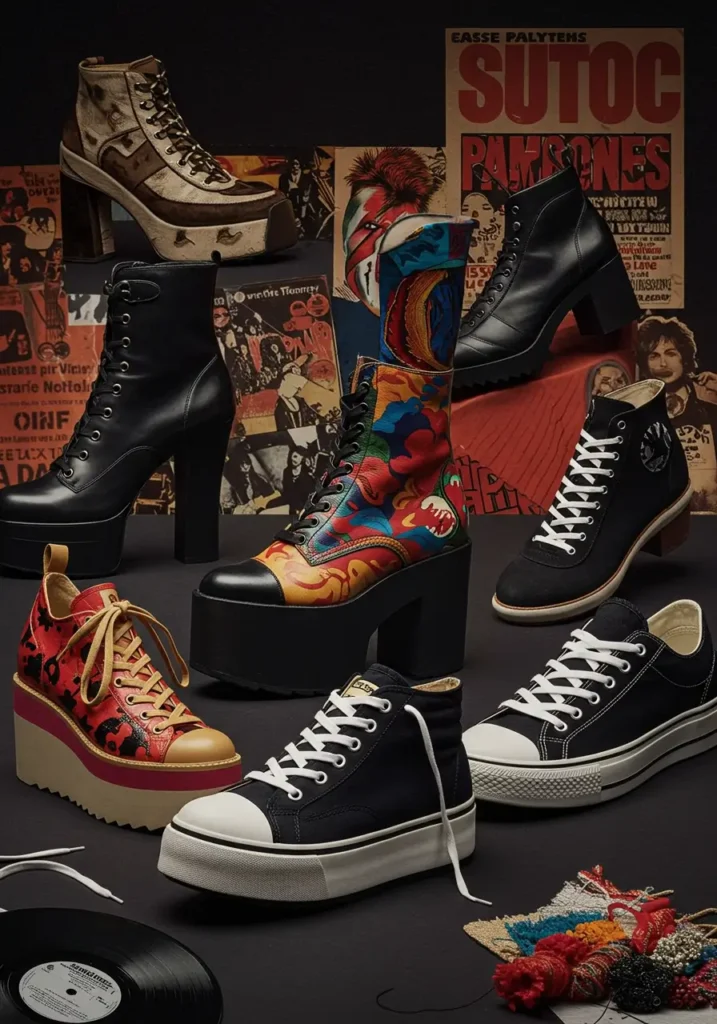
Music shaped 70s footwear trends in profound ways that extended beyond simple celebrity endorsement. David Bowie’s glam platforms challenged gender norms and expanded what men could wear, indirectly liberating women to experiment with more theatrical footwear. The Ramones’ high-top sneakers elevated athletic footwear to fashion status, paving the way for today’s sneaker culture. ABBA’s shimmering platform boots made sequins and metallics acceptable for mainstream audiences rather than just evening wear.
Today, artists like Harry Styles keep this retro vibe alive by incorporating 70s style women’s shoes and aesthetics into contemporary performances, demonstrating the enduring appeal of these designs. When Styles wears vintage-inspired platforms during sold-out arena shows, he introduces younger generations to 70s footwear while validating vintage shopping and retro styling for millions of fans. This cyclical relationship between music and fashion ensures 70s aesthetics remain relevant across generations rather than fading into purely historical interest.
Sustainability Challenges and Modern Solutions
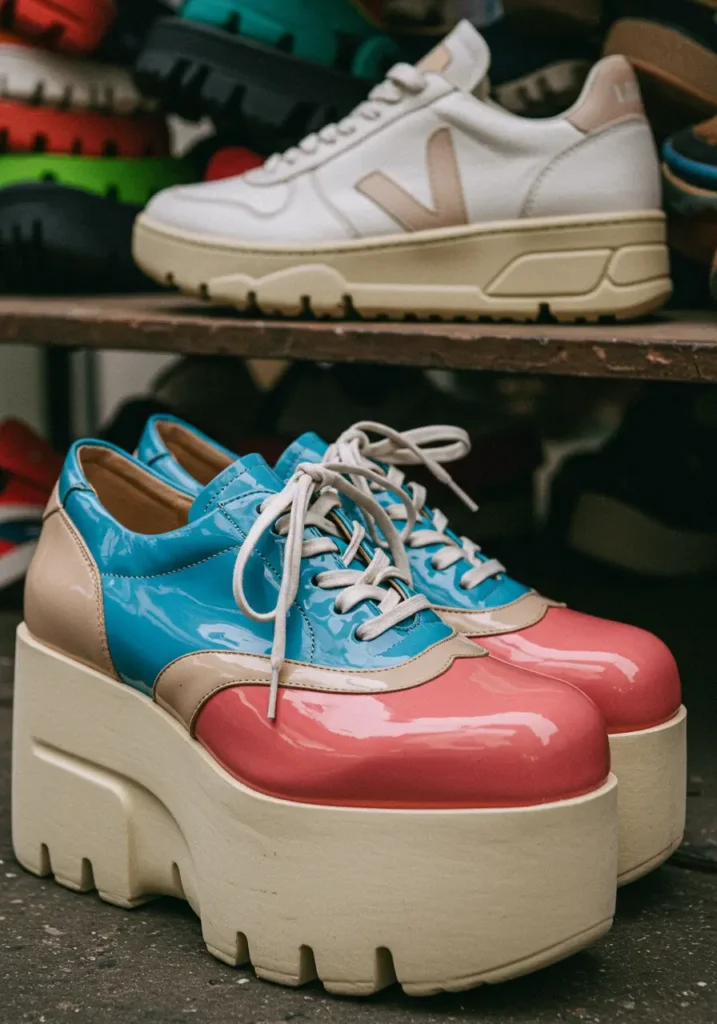
Many original 70s style women’s shoes used synthetic materials like vinyl, acrylic, and early polyurethane that raised environmental concerns decades before sustainability became mainstream priority. These petroleum-based materials contributed to pollution during manufacturing and created disposal problems as shoes wore out. The decade’s emphasis on bold colors often involved chemical dyes with environmental impacts that contemporary manufacturers work to minimize.
Modern brands address these challenges through innovative approaches. Companies like Veja use recycled plastic bottles to create vegan leather alternatives that capture 70s aesthetics while reducing environmental impact. Natural cork and wood—materials featured prominently in original 70s designs—experience renewed appreciation as sustainable alternatives to synthetic components. Brands producing 70s-inspired footwear increasingly adopt transparent supply chains, fair labor practices, and recyclable packaging that align retro style with contemporary environmental values. This evolution allows consumers to embrace 70s style women’s shoes without compromising sustainability commitments.
Craftsmanship Revival and Artisanal Production
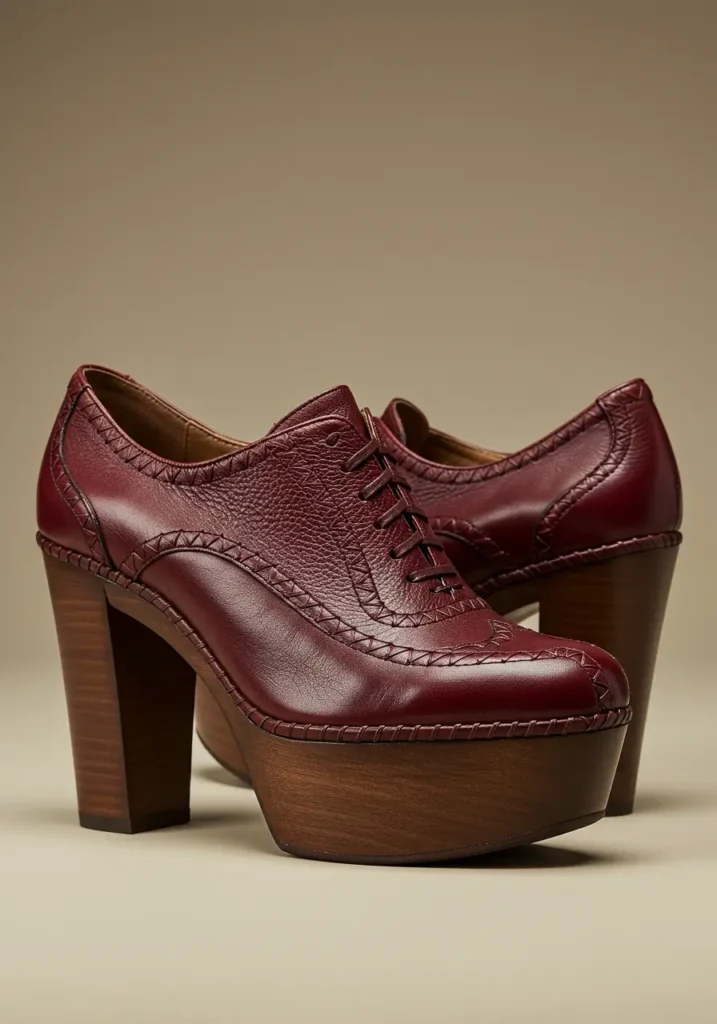
Artisanal techniques defined premium 70s footwear, including hand-stitched leather construction, hand-carved wooden soles, and individually applied embellishments that made each pair unique. These traditional methods produced superior quality compared to mass manufacturing, creating shoes that lasted decades with proper care. Skilled cobblers took pride in craftsmanship that elevated functional footwear into wearable art.
Today’s makers revive these methods through small-batch production that honors traditional techniques while incorporating modern improvements. Artisans use vegetable-tanned leather that ages beautifully, hand-cut soles for custom fit, and traditional lasting techniques that create superior comfort. This craftsmanship revival responds to consumer fatigue with disposable fast fashion, offering 70s style women’s shoes as investment pieces that justify higher prices through superior quality and longevity. Supporting artisanal producers also preserves traditional shoe-making skills that might otherwise disappear.
How important is sustainability when you shop for vintage-inspired footwear—would you pay more for eco-friendly materials and ethical production? We’d love to hear your perspective in the comments!
Complete Styling Reference for 70s Style Women’s Shoes
This comprehensive reference table helps you understand each shoe style’s defining features and how to incorporate them into 2026 wardrobes with maximum impact:
| Shoe Style | Defining Feature | 2026 Styling Tip | Best Occasions |
|---|---|---|---|
| Platform Heels | Chunky soles, vibrant colors, metallic finishes | Pair with flared jeans or flowy maxi dresses for balanced proportions | Evening events, parties, creative professional settings |
| Knee-High Boots | Vinyl or leather, fitted design, sleek silhouette | Style with oversized sweaters, midi skirts, or tailored shorts | Fall/winter outings, professional settings, concerts |
| Wedge Sandals | Cork soles, bohemian aesthetic, woven straps | Perfect with cropped wide-leg pants or maxi skirts | Summer gatherings, outdoor weddings, brunch dates |
| Clogs/Mules | Open toes, chunky straps, wooden soles | Wear with casual dresses, straight-leg denim, or linen pants | Daily errands, casual workplaces, weekend activities |
Overcoming Common Challenges with 70s Style Women’s Shoes
Styling retro footwear presents unique challenges that discourage some people from embracing these bold designs. These practical solutions address common concerns and make wearing 70s style women’s shoes effortless and enjoyable:
| Challenge | Practical Solution |
|---|---|
| Platforms Feel Too Bulky or Heavy | Balance chunky shoes with fitted tops, cropped pants, or bodycon dresses to streamline your overall silhouette. Choose platforms in proportion to your height and frame. |
| Knee-High Boots Look Costume-Like | Style with neutral, contemporary pieces like minimalist blazers, simple knit dresses, or tailored trousers in solid colors. Avoid mixing multiple retro elements simultaneously. |
| Vintage Sizing Doesn’t Match Modern Standards | Always check detailed size charts when shopping online. Try shoes in person when possible. Consider modern reproductions of 70s style women’s shoes with contemporary sizing. |
| Material Wear and Deterioration Over Time | Use specialized suede protectors, leather conditioners, and proper storage (shoe trees, dust bags) to maintain quality. Address minor damage immediately before it worsens. |
| Comfort Issues During Extended Wear | Add gel insoles, cushioned heel grips, or arch support inserts. Break in shoes gradually before important events. Choose modern versions with updated ergonomics. |
| Uncertainty About Appropriate Occasions | Start wearing 70s style women’s shoes in casual settings to build confidence. Observe how others incorporate vintage pieces. Save boldest styles for creative or social occasions. |
Find extensive styling inspiration for 70s style women’s shoes through fashion content creators on YouTube, where tutorials demonstrate practical outfit combinations and shopping strategies. Channels focusing on vintage fashion provide valuable insights into authenticating pieces, negotiating prices, and caring for delicate materials.
Expert Tips to Master Styling Retro Footwear
These professional styling strategies help you maximize your investment in 70s style women’s shoes while creating cohesive, confident looks that honor vintage aesthetics without appearing dated:
- Mix Vintage with Contemporary: Combine authentic 70s style women’s shoes with modern outfits like sleek jumpsuits, tailored coats, or minimalist dresses to create interesting tension between old and new elements
- Shop Strategically: Hunt for authentic vintage pieces at thrift stores, estate sales, and online marketplaces like Etsy or Poshmark where patient searching yields unique finds at reasonable prices
- Prioritize Comfort Features: Choose modern reproductions with supportive soles, cushioned insoles, and ergonomic design that allow all-day wear without pain or fatigue
- Embrace Sustainable Options: Select eco-friendly brands offering retro shoes made with recycled materials, vegan leather alternatives, or traditional natural materials like cork and wood
- Build Gradually: Start with one versatile pair of 70s style women’s shoes in a neutral color before expanding into bolder options, allowing you to develop styling confidence over time
- Study Authentic References: Examine photographs from the 1970s to understand how people originally styled these shoes, then adapt those principles for contemporary contexts
- Invest in Maintenance: Purchase quality care products and learn basic shoe maintenance to protect your investment and extend the lifespan of both vintage and modern pieces
- Consider Professional Alterations: Work with skilled cobblers who can add rubber soles to vintage platforms, replace worn heels, or adjust straps for better fit
Building a Capsule Collection
Creating a focused collection of 70s style women’s shoes maximizes versatility while minimizing clutter. Start with these three essential pairs that cover multiple occasions: neutral knee-high boots for professional and casual settings, cork wedge sandals for warm weather, and statement platforms in metallics or bold colors for special events. This foundation provides options across seasons and formality levels without requiring extensive storage space or overwhelming wardrobe choices.
As your collection grows, add specialty pieces that reflect personal style preferences—perhaps bohemian clogs if you favor relaxed aesthetics, or sleek vinyl boots if edgy looks appeal to you. Quality matters more than quantity when building collections of 70s style women’s shoes. Three well-made, properly maintained pairs deliver more value than ten cheaply constructed pieces that deteriorate quickly or sit unworn because they lack versatility.
What’s been your biggest challenge when trying to incorporate retro footwear into modern wardrobes—finding the right size, achieving balanced styling, or something else entirely? Share your experiences and solutions in the comments below!
The Future of 70s Style Women’s Shoes in Fashion
The enduring popularity of 70s style women’s shoes in 2026 suggests these designs will continue influencing fashion for years ahead. Several factors support this prediction: growing consumer interest in distinctive style that resists mass-market uniformity, increasing appreciation for quality craftsmanship over disposable fast fashion, and rising environmental consciousness that values vintage shopping and durable construction.
Fashion designers continue drawing inspiration from 70s footwear when creating new collections, ensuring fresh interpretations that introduce retro aesthetics to younger generations. Social media platforms amplify this influence by showcasing how contemporary style leaders incorporate vintage pieces into modern wardrobes, creating aspirational content that normalizes mixing old and new elements. This digital visibility ensures 70s style women’s shoes remain culturally relevant rather than fading into purely historical interest.
Technology Meets Tradition
Innovative manufacturers apply modern technology to vintage designs, creating hybrid footwear that honors 70s aesthetics while incorporating contemporary comfort features. 3D printing allows custom platform soles tailored to individual foot shapes. Advanced cushioning materials provide support without bulk. Sustainable manufacturing processes reduce environmental impact while producing quality products. These technological advances ensure 70s style women’s shoes evolve beyond simple reproductions into improved versions that serve modern needs.
Frequently Asked Questions About 70s Style Women’s Shoes
Can 70s style women’s shoes be comfortably worn for full days?
Modern versions with cushioned soles, arch support, and ergonomic design make platforms and wedges comfortable for daily wear lasting 8-10 hours. The thick platform sole distributes weight more evenly than traditional stilettos, reducing pressure on balls of feet. Adding gel insoles or metatarsal pads further enhances comfort. Break in new shoes gradually by wearing them for increasing durations rather than committing to full days immediately. Vintage pieces may require more breaks since original construction lacks modern comfort technology, though skilled cobblers can add cushioning and support to authentic finds.
Where can I find authentic 70s style women’s shoes in good condition?
Check local thrift stores like Goodwill and Salvation Army, though finding your size requires patience and regular visits. Online platforms like Etsy connect you with vintage dealers specializing in authenticated 70s footwear. Estate sales in neighborhoods with older populations often yield pristine vintage shoes from original owners who maintained collections carefully. Specialty vintage boutiques curate quality pieces but charge premium prices reflecting their expertise and selection work. Modern retailers like ASOS, Urban Outfitters, and Free People produce retro-inspired designs that capture 70s aesthetics with contemporary comfort features and consistent sizing.
Are 70s style women’s shoes appropriate for formal professional events?
Yes, with careful selection and styling. Sleek platforms in neutral colors like black, navy, or nude work beautifully with elegant dresses or tailored pantsuits for formal business events. Knee-high boots in quality leather paired with midi skirts project sophisticated authority in professional contexts. Metallic sandals complement evening gowns or cocktail dresses for formal social occasions. The key involves choosing refined versions without excessive embellishments and pairing them with polished, contemporary clothing. Avoid overly casual styles like beaded clogs or distressed platforms for formal professional settings.
How should I properly care for and maintain 70s style women’s shoes?
Care varies by material. Clean leather regularly with specialized conditioners that prevent cracking and maintain suppleness. Protect suede with waterproofing sprays and brush gently with suede-specific brushes to restore nap. Wipe vinyl with damp cloths and mild soap, avoiding harsh chemicals that damage synthetic materials. Store shoes in breathable dust bags rather than plastic, and use cedar shoe trees to maintain shape while absorbing moisture. Address scuffs and minor damage immediately before they worsen. Keep cork soles dry and condition occasionally with cork-specific treatments. For valuable vintage pieces, consult professional cobblers experienced with historic footwear preservation.
Why are 70s style women’s shoes experiencing such strong popularity in 2026?
Their bold designs and remarkable versatility align perfectly with today’s retro revival trends and desire for distinctive personal style. Contemporary consumers increasingly reject homogeneous fast fashion in favor of unique pieces with character and history. Celebrities and influencers like Dua Lipa, Harry Styles, and Zendaya regularly incorporate 70s aesthetics into high-profile appearances, creating aspirational content that normalizes vintage style for mainstream audiences. The environmental movement drives interest in sustainable shopping through vintage finds. Social media platforms showcase endless styling possibilities, demystifying retro fashion and encouraging experimentation. Finally, 70s designs simply work—their balance of height, comfort, and visual impact remains unmatched by many contemporary options.
Final Thoughts: Embracing 70s Style Women’s Shoes in Your Wardrobe
70s style women’s shoes represent more than nostalgic fashion trend—they offer timeless design solutions that address contemporary desires for distinctive style, comfortable height, and sustainable shopping options. The bold platforms, sleek boots, comfortable wedges, and easy clogs that defined the 1970s continue serving modern wardrobes through their remarkable versatility and enduring aesthetic appeal.
Incorporating these iconic shoes into your 2026 wardrobe allows you to participate in fashion history while creating unique personal style that stands apart from mass-market uniformity. Whether you choose authentic vintage finds that carry decades of history or modern reproductions that honor classic designs with contemporary comfort, 70s style women’s shoes offer opportunities for creative expression that transcends temporary trends.
The key to success lies in approaching retro footwear with confidence rather than hesitation. Start small with versatile pieces in neutral colors, building gradually toward bolder expressions as your styling skills develop. Mix vintage elements with contemporary basics to create balanced looks that feel current rather than costumey. Prioritize comfort through proper fit, quality construction, and strategic accessories like cushioned insoles. Most importantly, wear these shoes with the same fearless spirit that defined the original 1970s wearers who used fashion as powerful tool for self-expression and cultural participation.
Ready to step into the groovy world of 70s style women’s shoes?
Which iconic 70s footwear style speaks to your personal aesthetic—disco platforms that command attention, rock-inspired knee-high boots that exude confidence, bohemian wedges that offer laid-back charm, or free-spirit clogs that prioritize comfort? Have you already experimented with retro footwear in your wardrobe? What challenges did you face, and what victories did you celebrate? Share your 70s style women’s shoes journey in the comments below—your experiences might inspire someone else to embrace their own retro fashion adventure! Let’s build a community of vintage enthusiasts who prove that great style truly is timeless.