Witnessing vibrant poppies grace your outdoor space offers more than visual delight; it connects you to pollinators and seasonal rhythms.
Understanding the Expert Guide for Gardeners
An expert guide for gardeners begins with recognizing poppies as resilient allies in your cultivation journey. These plants deliver striking summer color while supporting local ecosystems, making them a wise choice for thoughtful landscapes. Many overlook how their specific growth habits shape successful establishment in home plots.
Shirley varieties present tissue paper blooms that last merely 5 to 6 weeks, yet their charm lies in effortless proliferation. Breadseed types reach considerable heights, offering large, saucer-shaped blossoms that double as culinary resources when seeds mature. Such diversity ensures that every gardener can find a suitable match for aesthetic preferences and practical goals.
Core Challenges Facing Modern Gardeners
One significant difficulty involves transplanting established specimens, as most develop sensitive taproots that resent disturbance. Attempting to move them often leads to stunted growth or sudden decline, frustrating hopeful cultivators. This inherent trait necessitates careful planning during the initial site selection phase.
Another obstacle relates to seed depth, as poppy seeds require light to trigger germination. Planting them too deeply results in disappointing failures, leaving beds bare when seedlings fail to emerge. Understanding this nuance is crucial for anyone seeking reliable results from direct sowing methods.
Furthermore, timing can confuse novice gardeners, especially when distinguishing between autumn and spring sowing windows. Fall applications allow natural winter processes to enhance germination rates through stratification. This subtle technique separates casual hobbyists from committed expert practitioners.
Actionable Strategies for Success
To overcome transplant shock, prioritize direct seeding in prepared beds rather than starting seedlings in pots. Prepare the soil to be moderately fertile yet well-draining, ensuring roots can expand without waterlogging. This approach mimics their native habitats and encourages robust development.
When sowing, scatter seeds lightly across the surface, resisting the urge to bury them deeply. A thin covering of fine soil or vermiculite can protect them while still allowing light penetration. Consistent moisture during early stages supports uniform sprouting without causing rot.
Consider mixing varieties like Shirley and Breadseed to create layered visual interest throughout the summer. This strategy not only enhances aesthetic appeal but also extends the period of pollinator activity. Observing this synergy enriches the overall experience for dedicated gardeners.
Exploring Poppy Variety Characteristics
Shirley Poppies: Delicate Annuals
Shirley poppies captivate with their delicate, papery texture and vivid color range. Their relatively short blooming period encourages focused appreciation, as each flower commands attention during its fleeting window. Gardeners often describe them as cheerful accents that brighten mixed borders.
Because they complete their lifecycle within a single season, they offer flexibility for annual redesigns. You can easily replace spent plants with fresh sowings, maintaining continuous color. Many enthusiasts appreciate how they self-seed modestly, providing surprise volunteers in subsequent seasons.
Selecting named varieties such as ‘Amazing Grey’ or ‘Angel’s Choir’ allows for curated color palettes. This level of intentionality transforms random scattering into a coherent design concept. Such choices highlight the role of an expert guide in refining personal preferences.
Breadseed Poppies: Majestic Producers
Breadseed poppies command attention with their substantial size and bold, saucer-shaped flowers. Their height creates vertical interest, making them ideal for backdrops or statement pieces in larger spaces. The edible nature of mature seeds adds a practical dimension to their ornamental value.
Growers often select specific cultivars like ‘Hens and Chicks’ or ‘Lauren’s Grape’ for unique flower forms and hues. These selections demonstrate how breeding has expanded possibilities beyond the common field poppy. An expert guide helps navigate these options based on climate and space constraints.
Harvesting seeds for culinary use connects the grower to traditional kitchen practices. This activity engages families in seasonal rituals, from toasting seeds for garnishes to storing them for future planting. Such involvement deepens appreciation for the plant’s full lifecycle.
Iceland Poppies: Transitional Treasures
Iceland poppies introduce a graceful element with their nodding, papery blossoms. Though often treated as short-lived perennials, they readily self-sow, ensuring continued presence. Their ability to be started indoors extends the growing season for patient gardeners.
Starting seeds in plug flats eight weeks before transplanting requires precision timing. This method protects young roots during initial establishment, reducing shock. It represents a more advanced technique within the broader expert guide for diverse poppy cultivation.
Direct seeding remains a viable alternative, particularly in climates with cool springs. This approach minimizes root disturbance and allows plants to acclimate naturally. Observing this process reveals the adaptability inherent in these resilient organisms.
California Poppies: Reliable Natives
California poppies bring a distinct character, being classified differently yet grouped with true poppies in catalogs. Their compact form suits smaller spaces, and their extended flowering period provides long-lasting color. They thrive in conditions where other varieties might struggle, showcasing resilience.
As native plants in certain regions, they are naturally adapted to local environmental stresses. This inherent tolerance reduces the need for intensive intervention, appealing to low-maintenance enthusiasts. Their presence supports local insect populations, fulfilling ecological roles.
Integrating this variety into a plan illustrates the importance of matching plant to site. An expert guide emphasizes such compatibility to prevent common mismatches that lead to disappointment. Thoughtful selection ensures harmonious coexistence between flora and environment.
Site Preparation and Seasonal Timing
Soil and Sunlight Requirements
Selecting an appropriate location is foundational for healthy growth, as these plants demand ample sunlight. A minimum of six hours of direct daily light ensures robust flowering and prevents leggy development. Shaded areas often result in weak stems and reduced bloom production.
Soil fertility should be moderate rather than rich, as overly nutritious conditions can promote foliage at the expense of flowers. Well-draining composition is non-negotiable, preventing root rot during wet periods. Incorporating sand or grit can improve structure in heavy clay environments.
Conducting a simple percolation test helps assess drainage capabilities before planting. This involves observing water movement through a dug hole. Such preliminary checks align with the principles outlined in any thorough expert guide for sustainable gardening.
Strategic Planting Windows
Understanding seasonal rhythms allows you to optimize germination success. Autumn sowing provides natural cold treatment, which some species require to break dormancy. This method leverages weather patterns to reduce manual intervention.
Spring planting offers more controlled conditions, particularly in regions with harsh winters. Waiting until soil warms ensures seeds activate at the right time. Monitoring local frost dates becomes an essential task for diligent gardeners following this guide.
Succession sowing every few weeks can extend the overall blooming period for annual varieties. This technique staggers emergence, creating a continuous display rather than a single wave of color. Such planning reflects the nuanced application of an expert guide in real-world settings.
Cultivation Practices and Long-Term Care
Watering and Nutrient Management
Once established, poppies typically tolerate drought conditions better than constant moisture. Deep watering during prolonged dry spells supports root systems without encouraging surface dependency. This practice fosters resilience against environmental fluctuations.
Fertilization is generally unnecessary if initial soil preparation was adequate. Excess nitrogen can lead to lush growth with fewer flowers, disrupting the desired balance. Observing plant vigor provides feedback on whether supplemental feeding is truly required.
Mulching around young plants conserves moisture and suppresses competing weeds. Organic materials like shredded bark gradually decompose, enriching the substrate over time. This approach aligns with sustainable practices promoted in comprehensive expert guide resources.
Supporting Pollinators and Ecosystems
Poppies serve as vital nectar sources for bees, butterflies, and other beneficial insects. Their open blossoms provide accessible landing platforms, facilitating efficient foraging. This interaction highlights the ecological value beyond mere aesthetics.
Leaving some seed heads intact through winter offers food for birds and overwintering insects. This practice contributes to backyard biodiversity, creating a miniature sanctuary within your property. Such actions demonstrate how gardening choices impact broader environmental health.
Documenting visitor species can enhance your understanding of local ecosystems. Simple journals or digital apps help track patterns and seasonal changes. Engaging with this data transforms observation into a meaningful learning experience for dedicated gardeners.
Troubleshooting Common Issues
Poor Germination Rates
Inconsistent sprouting often stems from improper depth or soil conditions. Revisiting seed placement depth may resolve issues, ensuring seeds receive adequate light. Patience is also required, as some varieties exhibit slower germination kinetics.
Soil compaction can inhibit emergence, necessitating gentle aeration around seedlings. Using a fork carefully avoids damaging delicate roots. This corrective measure addresses structural problems without resorting to chemical interventions.
Testing seed viability through float tests provides insight before sowing. Viable seeds typically sink, while non-viable ones remain buoyant. Applying such diagnostics reflects the meticulous approach encouraged by a true expert guide.
Pest and Disease Management
Poppies generally resist most diseases, yet fungal issues can arise in humid conditions. Ensuring adequate air circulation and spacing reduces these risks. Proactive measures are preferable to reactive treatments, minimizing chemical usage.
Aphids occasionally target young growth, but natural predators often provide control. Introducing beneficial insects or using mild soap sprays can manage populations without harming the ecosystem. Balance remains key in maintaining garden harmony.
Regular inspection allows early detection of irregularities, facilitating timely intervention. Catching problems in initial stages prevents widespread damage and preserves plant vitality. Such vigilance is a hallmark of responsible gardeners following any serious guide.
Integrating Poppies into Your Landscape Design
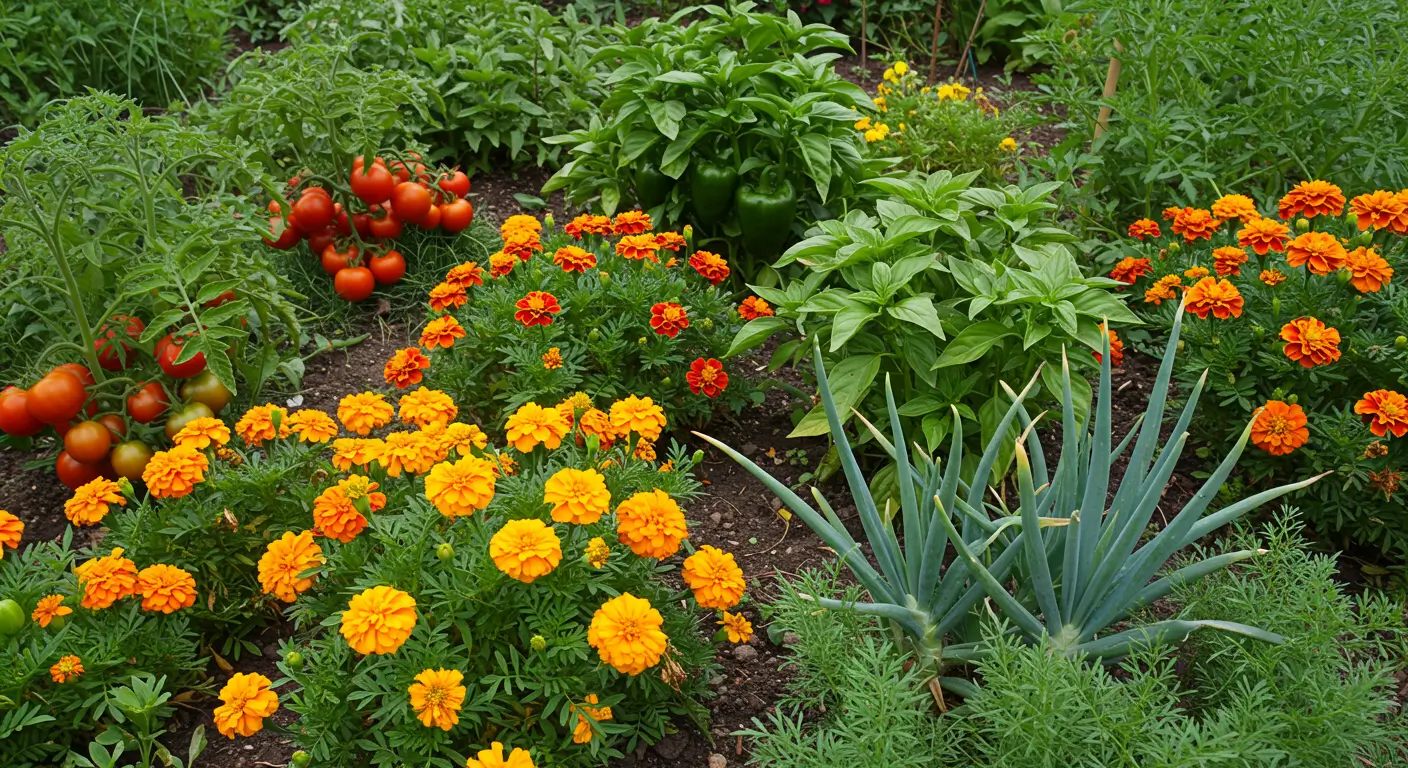
Strategic placement enhances both visual impact and functional benefits. Positioning them near vegetable beds attracts pollinators that improve crop yields. This synergy between flower and food production exemplifies thoughtful garden planning.
Combining textures with grasses or silvery foliage plants creates contrast that makes poppies stand out. Their bold colors provide focal points within mixed borders. Understanding color theory helps in composing pleasing arrangements.
Considering mature spread prevents future overcrowding, ensuring each specimen has room to thrive. Dividing clumps occasionally maintains vigor in perennial varieties. Long-term planning transforms initial sowings into enduring landscape features.
Conclusion and Continued Learning
Mastering poppy cultivation involves continuous observation and adaptation. Each season offers new lessons about microclimates and variety performance. Embracing this learning process enriches your experience as a gardener.
Consulting multiple resources, including this expert guide, provides diverse perspectives and techniques. Community forums and local clubs offer practical insights tailored to your region. Sharing experiences strengthens the collective knowledge base.
Ultimately, the journey with poppies connects you to natural cycles and fosters a deeper appreciation for plant life. With patience and attention, your efforts will yield vibrant displays that delight both you and visiting wildlife. This enduring reward validates the time invested in understanding their specific needs.