As the days grow shorter and the sky turns a softer gray, your options for venturing outside may feel limited.
Embracing Indoor, Hobbies, Activities to Stay, Busy
Indoor, hobbies, activities, stay, busy during colder months are more than a pastime; they are a gentle anchor for the mind.
Engaging in enjoyable non-work pursuits has been linked to reduced stress and a measurable boost in life satisfaction, helping you cultivate joy even when the weather is uncooperative.
These moments of personal care provide a sanctuary where you can reset, ensuring that your inner world remains as vibrant as the season outside.
Why Winter Pastimes Matter
Winter weather can limit outdoor activities due to dark and dreary conditions, which may lead to restlessness if left unchecked.
Hobbies provide stress relief and add joy during winter by offering a structured yet flexible way to spend long evenings.
Research suggests that consistent engagement in leisure interests strengthens neural pathways related to creativity, making the case for these indoor routines even stronger.
Creative Outlets for the Cold Season
Artistic and Hands-On Projects
Exploring visual arts is one of the most fulfilling indoor, hobbies, activities, stay, busy when daylight is scarce.
You might try drawing, painting, or sketching simple objects from nature, translating the textures of leaves and branches onto paper.
These creative sessions require minimal setup and offer immediate feedback, allowing you to see progress in just a few sessions.
Clay modeling provides a tactile experience that grounds your focus, turning abstract ideas into three-dimensional forms.
Knitting or crocheting repetitive patterns can induce a meditative state, lowering heart rate and easing anxiety over time.
Even simple crafts like beading or creating paper flowers can transform a quiet room into a studio of gentle productivity.
Musical and Performance Endeavors
Learning an instrument, even virtually through tutorials, engages multiple senses and keeps the mind agile.
Singing along to familiar songs or trying vocal exercises can improve breathing and mood without any special equipment.
Drama games, such as improv prompts or script reading, can be enjoyed with family members, turning the living room into a playful theater.
Composing simple melodies or recording soundscapes helps capture the mood of the season, giving emotional texture to your memories.
These musical activities support cognitive health by requiring you to follow patterns and recall sequences, which is a valuable mental workout.
Intellectual and Educational Pursuits
Language and Literature
Diving into a new language is one of the most effective indoor, hobbies, activities, stay, busy that also enriches your perspective.
Using flashcards or app-based drills for just fifteen minutes a day can lead to surprising conversational fluency within months.
Reading classic or contemporary fiction allows you to explore worlds far removed from the winter chill, expanding empathy and comprehension.
Philosophical and Strategic Thinking
Studying philosophy allows you to use your logic and reasoning skills to try to understand the various perceptions that people have about life.
You might explore ethics, metaphysics, or political theory through introductory books or online courses designed for beginners.
Engaging in Socratic questioning—asking “why” repeatedly—helps refine your arguments and improves critical thinking in everyday decisions.
History lessons about major movements provide context for modern society, turning idle hours into a journey through time.
Dedicating a corner of your day to these studies ensures that your intellectual curiosity remains active, even when the weather is still.
Practical and Organized Ventures
Home Management and Planning
Creating and keeping up with your vision boards is a great thing to do when you’re stuck in the house.
Your vision board will act as a daily reminder of your long term goals and give you an easily accessible source of motivation to help you work toward them.
You can use magazines, printed photos, or digital images to represent career, health, and relationship aspirations in a single collage.
Once you’ve mastered your own vision board, you can throw a vision board party to get all of your friends on board as well.
Resources: If you’ve never made a vision board before, here are instructions on how to create one, and here are some templates you can use to help you map out your goals.
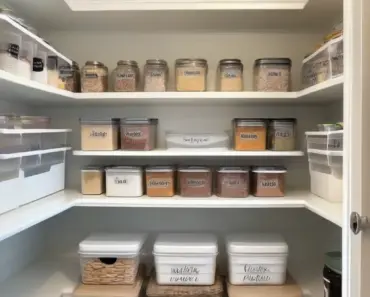
An organizing routine helps reduce mental clutter, turning chaotic spaces into calm environments that foster focus.
Start by sorting items into categories, discarding what no longer serves you, and assigning a dedicated spot for everything you keep.
Maintaining this system requires just a few minutes each day, reinforcing habits that support long-term efficiency.
Financial and Culinary Skills
Cooking is a useful hobby that will benefit you and your family, teaching nutrition and practical life skills.
It is a skill-up that will last you a lifetime, helping you focus on nutrition and healthy meals for your family.
Getting started is simple; all you need is a good cookbook and follow some cooking blogs and relevant YouTube channels.
You can have fun experimenting with new dishes or put new twists on your favorite recipe, discovering many exciting new cuisines.
Resource: Start with these quick and easy meals for two that can be on the table in under an hour, building confidence in the kitchen.
Couponing is a fun hobby that can save you a lot of money if you know what you’re doing.
Once you get really comfortable with couponing, this practice will become second nature because you will start to notice how much an item typically costs.
Who offers the best deals and when to stock up on necessities becomes a satisfying puzzle to solve, turning savings into a game.
Resource: Here is a video on extreme couponing for beginners, offering a structured approach to maximizing your budget.
Reflective and Mindful Activities
Writing and Journaling
Writing is a great way to spend this alone time because you can express your thoughts while also having a creative outlet.
There are so many different methods that you can use to improve writing skills, such as keeping a daily log or crafting fictional scenes.
Getting your thoughts on paper can be relaxing, whether you write about things that are happening in your life or journaling or writing short stories or poems.
The process of writing when you’re doing it on your own terms can be very cathartic, no matter what the context of your writing is.
Over time, this habit can improve clarity of thought and help you process emotions, turning the winter season into a period of meaningful self-discovery.
Mindfulness and Wellness Practices
Meditation and breathwork require only a quiet corner and can significantly lower stress levels over a consistent practice.
Yoga or gentle stretching routines improve flexibility and create a sense of calm that counteracts seasonal lethargy.
Even short guided sessions available through apps can help you maintain balance between activity and rest.
Tracking your mood or sleep patterns adds a layer of self-awareness, turning simple wellness habits into data-driven insights for better living.
These mindful practices support mental resilience, ensuring that you remain centered regardless of external conditions.
Social and Collaborative Options
While many pastimes are solitary, indoor, hobbies, activities, stay, busy can also be a way to connect with others.
Hosting a game night with classic board games or card games encourages laughter and friendly competition without requiring travel.
Virtual meetups allow you to share hobbies like book clubs or cooking demonstrations with friends who live far away.
Collaborative projects, such as building a puzzle or planning a future trip, strengthen relationships through shared goals.
These interactions remind you that staying busy indoors can also nurture the social bonds that sustain emotional health.
Skill Building and Productive Hobbies
Technical and Handyman Skills
Exploring basic home repairs or digital skills can turn idle hours into opportunities for growth and confidence.
You might learn how to change a light fixture safely or organize photos on a cloud service with simple tutorials.
Online platforms offer structured paths that guide you step by step, ensuring that you build competence without feeling overwhelmed.
Gardening Indoors
Even without an outdoor space, you can cultivate herbs, small vegetables, or ornamental plants on a sunny windowsill.
Container gardening teaches patience and responsibility, as you monitor water levels and light conditions for healthy growth.
Seeing a seedling sprout and mature provides a rewarding cycle that connects you to nature despite the weather.
Leisure and Entertainment Choices
Streaming documentaries or educational series can satisfy curiosity while introducing you to new subjects and ideas.
Curating a playlist of music that matches your current mood helps regulate energy levels throughout the day.
Puzzles, whether jigsaw or logic-based, sharpen focus and provide a satisfying sense of completion when solved.
Exploring museum virtual tours or digital archives brings cultural enrichment directly into your home, broadening your worldview.
These forms of entertainment ensure that your time indoors remains dynamic rather than stagnant.
Establishing a Sustainable Routine
Balancing structure and flexibility is key to maintaining new habits without feeling constrained.
Start by allocating specific blocks of time for different indoor, hobbies, activities, stay, busy so that each day has variety.
Tracking your progress with a simple calendar or app can highlight consistency and encourage you to keep going.
It is important to listen to your energy levels and adjust your schedule accordingly, preventing burnout during the winter months.
By treating these activities as essential self-care rather than optional pastimes, you create a sustainable rhythm that supports overall well-being.
Maximizing Enjoyment and Long-Term Benefits
Over time, you will uncover tricks and techniques along the way that you can begin to master, deepening your expertise.
Consistency in pursuing these interests transforms occasional boredom into a rich tapestry of experiences and skills.
The habits you build now can influence how you approach future seasons, making you more adaptable and resourceful.
Ultimately, these indoor, hobbies, activities, stay, busy serve as a bridge between the present moment and your long-term aspirations.
By choosing practices that align with your values, you ensure that the winter season becomes a period of growth, connection, and joy.