One of my favorite Thanksgiving traditions since having children is going around the table before the big meal, each sharing three things we’re grateful for. It’s eye-opening and heartwarming as a parent to hear the kids vocalize the things that mean the most to them in the world. Every year, the month of November brings a flurry of awareness around the importance of gratitude, catching the eyes of parents everywhere setting out to raise grateful children amidst the entitled world we seem to live in today. Beyond wanting to avoid raising a greedy child, much of the amazing research conducted on the power of gratitude on lifelong well-being, happiness, health, and relationships has now made its way into the mainstream media. There’s a reason the father of positive psychology Martin Seligman, strongly recommends people write daily letters of gratitude in his book Authentic Happiness. Gratitude has the power to increase our happiness and decrease stress by actually changing our brains.
With knowledge of something this powerful that can exponentially increase the emotional well-being of a child, I believe our focus on gratitude should stretch far beyond November. But how would that look exactly? Teaching your child to live gratefully If you want to instill long-term lasting gratitude in your child you’re going to need to go beyond an isolated practice or two during the holidays. The key to helping your child make any long-term change lies in their patterns of everyday thinking. After all, emotions and actions are a natural outflow of our thoughts, so it makes sense we’d start there.
The Secret to Helping Your Child Internalize a Sense of Gratitude

During the holidays, gratitude seems to be a natural outflow of beloved traditions, anticipated outings, good food, and our loved ones. We find ourselves naturally reflecting on all we have and can actually feel the sense of calm, happiness, and peace this reflective gratitude brings. But what about the rest of the year? What about the rest of life’s moments that aren’t adorned in glitter, wrapping paper, and bows? Believe it or not, it is possible to cultivate gratitude in the daily moments where we’d least expect to find it. If you want to help your child internalize a deep sense of gratitude all year round, the secret lies in helping them seek gratitude not only in the highs of daily life but also in the moments that look a lot like lows.
What Does This Mean?
It means teaching and modeling living mindfully during challenging times and helping your child begin to trust that in life, many of our most challenging moments end up being the most powerful. Think about it. When you look back, which moments were the most powerful when it comes to shaping the person you are today? Way more often than not, life’s greatest lessons don’t come wrapped in shiny paper and bows, but in our bruises, trials and hardships. Validating a child’s emotions and experience is the first step in helping them lean into gratitude.
A 3-Step Approach to Building Gratitude and Resilience
Of course, this doesn’t mean the next time your child falls off their bike you run over, tell them to get over it adding “what doesn’t kill you will make you stronger!”. This doesn’t mean pushing toxic positivity on them or invalidating their emotions during struggles and hardships. It does mean that there are three very powerful things you can do to support your child when overwhelmed or struggling that will help them lean into gratitude as part of their everyday mindset.
Step 1: Validate Their Emotions and Experience
When your child is hurt, anxious or angry they are functioning from their emotional brain (amygdala) and won’t be able to listen to feedback or guidance yet. The most therapeutic thing in the world is feeling seen and heard by another human. Offer your child empathy as you try to see the situation from their perspective.
Step 2: Wait for Them to Come Around
Each child is different, and it’s essential to wait for them to come around before guiding them towards gratitude. It’s crucial to let them process their emotions and develop their own thoughts and feelings.
Step 3: Lead Them to Present Moment Opportunities for Gratitude
Once your child is ready, it’s time to lead them to present moment opportunities for gratitude. This can be as simple as pointing out the beauty of nature, the kindness of a stranger, or the love of your family and friends.
Cultivating Gratitude in Daily Moments

Believe it or not, it is possible to cultivate gratitude in the daily moments where we’d least expect to find it. If you want to help your child internalize a deep sense of gratitude all year round, the secret lies in helping them seek gratitude not only in the highs of daily life but also in the moments that look a lot like lows. Every day, take a few moments to reflect on the things you are grateful for. It could be something as simple as a good cup of coffee, a beautiful sunset, or a supportive friend. By incorporating gratitude into your daily routine, you can help your child develop a lifelong habit of gratitude.
Modeling the Process for Your Child
It’s essential to model the process of gratitude for your child. Share with them your own experiences of gratitude and how it has positively impacted your life. By modeling the behavior, you can help your child see the value in practicing gratitude.
Reflecting on Challenging Situations
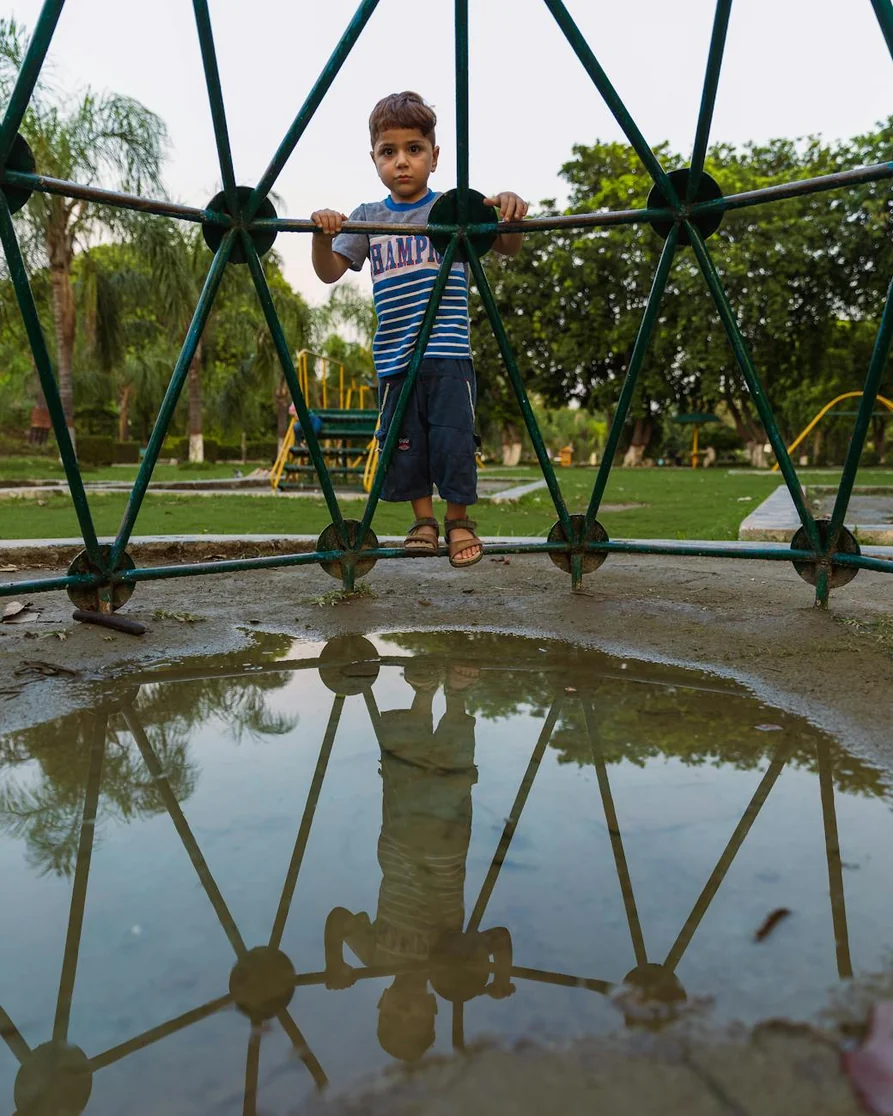
Open up a conversation about how it’s possible to make the most out of challenging situations, by changing how we think about them (kind of like a mindset superpower!). Some great ways of doing this are: modeling the process for them by sharing a recent challenging situation you’ve encountered, and what the situation taught you expressing your observations of their resilience to them.
Gratitude is a Muscle That Must be Exercised Regularly
Teaching gratitude should stretch far beyond November. It’s essential to incorporate gratitude into your child’s daily routine, so it becomes a habit that they practice all year round. By doing so, you can help your child develop a deep sense of gratitude that will benefit them for the rest of their lives.
Conclusion

Teaching your child to live gratefully is a journey that requires patience, consistency, and a deep understanding of their needs. By following the 3-step approach to building gratitude and resilience, you can help your child develop a lifelong habit of gratitude that will benefit them in countless ways. Remember, gratitude is a muscle that must be exercised regularly, so make it a part of your child’s daily routine. With time and effort, your child will develop a deep sense of gratitude that will serve them well throughout their lives.