Believe it or not, the smart casual dress code you navigate today has a surprising origin dating back to 1924 in Iowa. A local newspaper described a sleeveless dress as giving a ‘smart casual appearance’, and from that simple description, a whole style concept was born. For modern smart casual men, this look is much broader than business casual. It combines high-end, polished elements with comfortable, stylish pieces, creating a versatile wardrobe that works in many settings.
This dress code is about striking a balance. The men’s smart casual definition often means pairing tailored items with relaxed staples. Understanding the origin of smart casual shows why it’s different from business casual. While business casual sticks to a stricter professional look, smart casual invites more personality and comfort, allowing you to express yourself while still looking put-together.
Key Do’s and Don’ts of Smart Casual
Now that you understand how smart casual differs from other office dress codes, let’s look at the specific choices that can make or break your outfit. Mastering this balance means knowing what to wear and what to avoid. Small missteps, like the wrong jacket or shoes, can quickly tip your look from polished to sloppy. Here are the essential men’s smart casual do’s and don’ts to keep you on track.
Outerwear choices
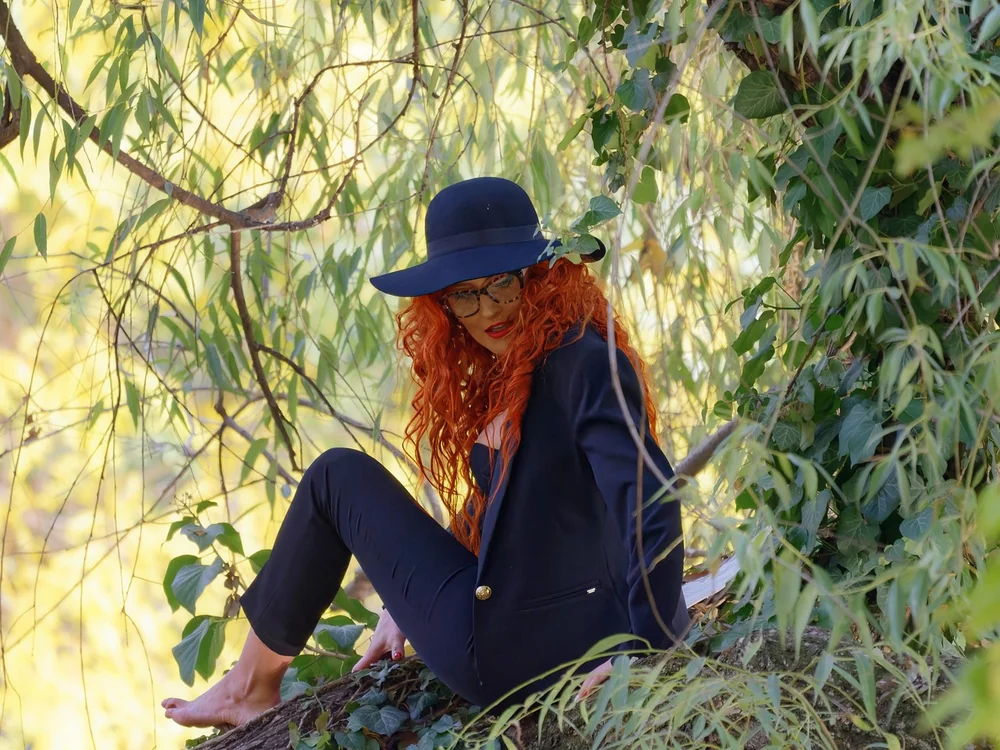
Your jacket is often the first thing people notice, so choose wisely. Do not wear windbreakers or athletic coats — they belong at the gym or on a hike, not in a work setting. Instead, opt for unstructured blazers, chore jackets, or lightweight wool overcoats. These pieces add structure and refinement without feeling stiff. A well-fitted jacket in a neutral tone like navy, charcoal, or olive instantly elevates any outfit, whether you pair it with chinos or dark jeans.
Footwear essentials
Your shoe choice can define your entire smart casual look, so pay close attention. Refer to this smart casual shoe guide to avoid common smart casual mistakes.
- Do wear Oxfords, brogues, boat shoes, moccasins, or slip-on sneakers. These styles bridge the gap between dressy and relaxed, giving you a confident, put-together appearance.
- Avoid athletic sneakers and flip-flops at all costs. Even clean white trainers can look too casual for this dress code if they have a sporty design. Stick to leather or suede slip-ons when you want the comfort of sneakers.
When in doubt, choose shoes with a closed toe, minimal branding, and a slim silhouette. This small switch is one of the easiest ways to keep your smart casual men outfit looking intentional and sharp. By avoiding these common pitfalls, you’ll maintain that perfect balance between professionalism and personal style every time you dress for the office.
Smart Casual vs Business Casual: Key Differences
While often confused, smart casual and business casual have distinct origins and rules that set them apart. Understanding these differences helps you choose the right look for your workplace.
Origins and evolution
The concept of smart casual actually played a key role in the development of men’s business casual dress code during the 1950s. Back then, business casual implied an informal suit made of lighter materials than traditional suits — think softer fabrics and relaxed tailoring. This was a response to the stiff formality of earlier decades, offering men a way to dress professionally without the heavy wool and rigid structure of a standard suit.
Today, business casual vs smart casual have grown further apart. Business casual remains closer to that original idea: a polished, professional look with fewer layers of formality. Smart casual, on the other hand, is broader and allows more personal style.
Practical differences today
When you dress for a business casual environment, you typically stick with chinos, button-down shirts, and blazers — all in classic, neutral colors. Smart casual men’s dress code differences show up in the details: you can swap a blazer for a textured jacket, choose darker denim, or add a patterned sweater. The key is that smart casual invites you to express yourself while still looking put-together.
For most offices, aim for business casual on conservative days and save smart casual for casual Fridays or client meetings where you want to show some personality. Either way, both codes keep you professional — just with different levels of flexibility.
Smart Casual Outfit Combinations
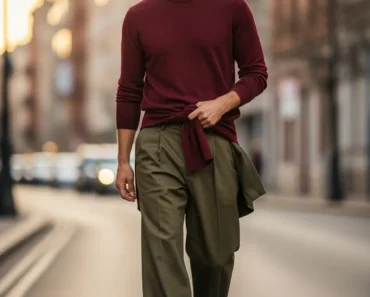
Now that you understand where smart casual sits among other dress codes, let’s look at how to build outfits that capture its balanced spirit. The approach is simple but intentional: mix elements from just below high-end with comfortable, stylish basics so the final look feels natural, never forced. For smart casual men, the goal is an ensemble that says you care about your appearance without trying too hard.
Classic blazer and chinos
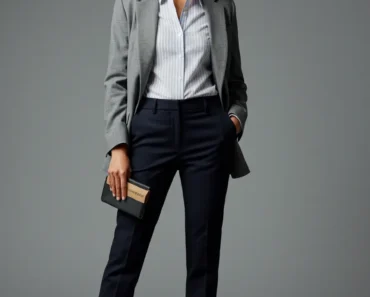
This combination is the backbone of smart casual. A tailored blazer instantly lifts any outfit, while chinos keep things relaxed. Choose neutral tones like navy, grey, or olive for maximum versatility. Pair them with a button-down shirt or a fine-knit polo, and finish with leather loafers or derbies. You get a polished look that works for client meetings, team lunches, or after-work events. For smart casual outfit ideas, this is your go-to starting point.
Jeans with a blazer
If you want something slightly more relaxed, swap chinos for dark, well-fitted jeans. The trick is to keep the jeans free of rips, fading, or heavy distressing. A navy blazer over a crisp white button-down with dark jeans strikes the right balance of sharp and easy. This blazer and jeans smart casual look is ideal for casual Fridays or creative workplaces where you still need to project professionalism. Stick to leather shoes — suede chukkas or brown brogues work beautifully here.
Summer smart casual looks
When the weather warms up, swap the blazer for a lightweight linen or cotton jacket, or skip it altogether. A well-fitting polo in a solid or subtle pattern works as your top layer, paired with light-colored chinos or tailored shorts in breathable fabrics. For smart casual shirt choices, consider linen button-downs in soft blues, whites, or pastels. Finish with loafers or clean minimalist sneakers. You stay cool and comfortable without losing the polished edge that defines smart casual.
The common thread across all these combinations is intention. Each piece should complement the others, and the overall look should feel effortless. When you mix high-end touches with comfortable basics, you create outfits that are both professional and personal. That’s the real power of smart casual.
Fabrics, Colors, and Patterns for Smart Casual
Once you have that effortless blend of high-end and comfortable basics, your next step is choosing the right fabrics, colors, and patterns. These details can make or break a smart casual men outfit. The key is to let the season guide your material choices and keep the overall look grounded with neutral tones and subtle prints. This is where your smart casual fabric guide really comes into play.
If you want to go deeper, it is also worth a look at Plus Size Personal Styling With Stitch Fix.
Lightweight fabrics for summer
In warm weather, a tailored blazer should feel airy and breathable. Linen and cotton are your best friends here. They allow airflow and keep you cool without sacrificing that polished silhouette. A linen blazer in a light beige or soft blue instantly lifts a simple polo and chinos. Cotton options work well too, especially in a relaxed weave. The goal is to avoid heavy, sweaty layers while still looking put together.
Heavier fabrics for winter
When temperatures drop, switch to wool or tweed blazers. These men’s blazer materials provide warmth and structure. A wool blazer in charcoal or navy pairs beautifully with dark jeans and a crew-neck sweater. Tweed adds texture and a classic feel, perfect for colder months. Both fabrics hold their shape and add a weighty, confident drape to your outfit. Just ensure the fit remains tailored, not bulky.
Patterns that work
For patterns, subtlety is your friend. Stick to neutral colors like navy, gray, beige, and olive as the foundation of your smart casual color palette. Then add understated patterns such as micro-checks, herringbone, or a faint windowpane. Avoid loud stripes or bold plaids, which can feel too casual or distracting. A simple patterned shirt or a textured knit under a solid blazer creates visual interest without overwhelming the look. Remember, the fabric, color, and pattern should work together to keep the outfit cohesive and effortlessly sharp.
Seasonal Adaptation and Accessories
Smart casual should feel breezy and fashionable, never forced. That principle becomes especially important as the seasons change and you shift your wardrobe. Adapting your smart casual men looks for different weather keeps them feeling fresh and appropriate without losing their easy, polished character.
Accessories for smart casual
The right smart casual accessories can lift an outfit from simple to intentional. A leather belt in brown or black ties your trousers and shoes together, creating a clean line. A men’s smart casual watch with a metal or leather strap adds a touch of refinement without overdoing it. A simple canvas or leather crossbody bag keeps your essentials close while maintaining the relaxed vibe. These small additions make the difference between an outfit that looks thrown together and one that looks thoughtfully styled.
Seasonal layering tips
Layering is your best friend for seasonal smart casual dressing. When the temperature drops, add a lightweight wool sweater or a soft flannel shirt under your jacket. In warmer months, swap the jacket for a linen blazer and roll your sleeves. Lightweight fabrics like cotton, linen, and chambray keep you cool while still looking sharp. Darker tones work well for autumn and winter, while lighter neutrals and soft pastels suit spring and summer. The key is to keep the layers breathable and the silhouette clean.
Smart casual for different occasions
For a Friday office lunch, keep it simple with dark jeans and a crisp button-down. For an evening event, add a structured jacket and leather loafers. The balance stays the same: polished enough to feel put together, relaxed enough to move through your day with ease. Let the occasion guide your choices, but let the smart casual spirit guide your attitude.
Frequently Asked Questions
What shoes work best for a smart casual look?
For a smart casual look, choose shoes that are polished but not overly formal. Leather loafers, clean white sneakers, or suede desert boots are all excellent options. Avoid athletic trainers, worn-out sneakers, or overly dressy oxfords—you want something that feels relaxed yet intentional.
How is smart casual different from business casual?
Business casual leans more toward tailored pieces like pressed chinos, button-downs, and blazers, often in a workplace setting. Smart casual for men takes a slightly more relaxed approach—you can mix in higher-quality knitwear, unstructured jackets, and even well-fitted denim. The key difference is that smart casual allows for more personality and texture, while business casual stays closer to standard office attire.
Can I wear jeans with a blazer for smart casual?
Absolutely—pairing jeans with a blazer is a classic smart casual men’s move. Choose dark, slim-fit jeans without rips or heavy fading, and balance them with a crisp button-down or a fine knit sweater. The blazer should be unstructured to keep the overall look relaxed, not stiff.