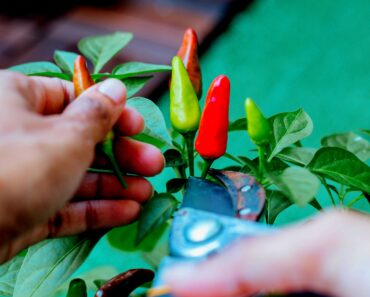
Starting a vegetable garden can feel overwhelming when you’re not sure where to begin. Between choosing a plot, picking seeds, and figuring out watering schedules, it’s easy to get lost before you even dig in. But with the right plan, you can enjoy fresh produce from your own backyard or balcony — no expert skills required. This article offers 5 smart tips for beginners to help you feel confident from day one. You’ll learn how to select a manageable plot size, choose vegetables that suit your space and season, work with sunlight, and set a simple planting schedule. Whether you have a sunny patch of lawn or just a few pots on a patio, these home gardening tips will turn your first vegetable garden into a rewarding, low-maintenance success.
1. Start Small with a 6×6-Foot Plot or Containers
Now that you’ve set your sights on a sunny spot, it’s tempting to dig up half the yard. But when it comes to starting a vegetable garden, bigger isn’t always better—especially for beginners. A manageable space prevents overwhelm and helps you focus on a few vegetables successfully. A 6×6-foot plot is ideal for a beginner’s vegetable garden. That 36 square feet gives you room for staples like tomatoes, peppers, and a row of beans, without demanding hours of weeding or watering every day. If you don’t have in-ground space, container gardening is a perfect alternative. Growing vegetables in containers on a sunny deck or balcony is an option for those without yard space, and it offers the bonus of easy mobility. Simply choose pots with drainage holes and a high-quality potting mix. Whether you opt for a small space vegetable garden in the ground or a raised bed garden built from untreated lumber, the key is to start small and learn as you go. You can always expand next season.
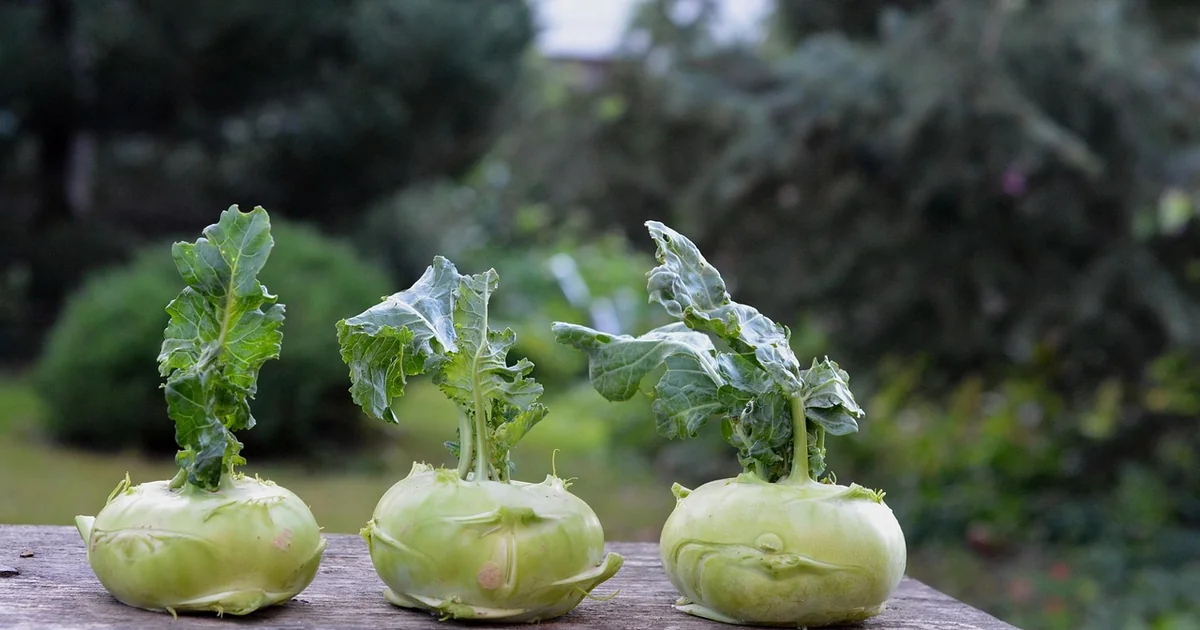
Choosing the Right Location
For either approach, pick a spot that gets at least six hours of direct sunlight daily. Avoid areas where water pools after rain, and keep your garden close to a water source. If you’re using containers, place them where you can easily reach them for daily care—near the kitchen door or along a sunny balcony railing works well. This practical setup makes your first foray into starting a vegetable garden both joyful and low-stress.
2. Pick Up to Five Vegetables You Love to Eat
Once you’ve settled on a sunny spot, the next step in starting a vegetable garden is choosing what to grow. The simplest secret to a rewarding first season is to pick vegetables you genuinely enjoy eating. When you plant your favorite garden vegetables, you’ll look forward to harvesting and cooking them — which means less waste and more motivation to keep tending your patch. Beginners should pick up to five different vegetable varieties. This manageable number helps you focus your time and learn the basics without feeling overwhelmed.
Think about the dishes your family eats most often. If you love fresh salads, consider easy vegetables to grow like lettuce, cherry tomatoes, or cucumbers. For stir-fries, maybe bell peppers and snap peas. By choosing beginner vegetable varieties that match your family’s consumption, you ensure every plant earns its place in your garden bed. And sticking to a handful of favorites makes it easier to give each one the care it needs — watering, weeding, and harvesting at the right time. Keep it simple, keep it tasty, and your first vegetable garden will feel like a natural extension of your kitchen.
3. Ensure at Least 6 to 8 Hours of Direct Sunlight
Sunlight is the engine that powers your vegetable garden. Without enough of it, even the healthiest seedlings will struggle to produce the fast growth and abundant yields you’re hoping for. When you’re starting a vegetable garden, one of the most important decisions you’ll make is where to place your beds or containers. Most of the fastest-growing vegetables — think tomatoes, peppers, cucumbers, and beans — need at least 6 to 8 hours of direct sunlight each day. That means unfiltered sun, not light filtered through tree branches or a sheer curtain. A sunny garden spot that gets full morning sun and continues into the afternoon is ideal, as morning light is less intense and helps plants dry off after dew, reducing the risk of disease.
What About Partial Shade?
If your yard has some shady corners, don’t worry — you still have plenty of options. Certain leafy greens and herbs are naturally more forgiving when it comes to sunlight requirements for vegetables. Lettuce, kale, chard, spinach, chives, cilantro, parsley, and thyme all tolerate partial shade, meaning they can thrive with as little as 3 to 4 hours of direct sun or bright, dappled light throughout the day. These partial shade vegetables are perfect for spots near a fence, under a deciduous tree, or on a covered patio. By matching your plants to the light you have, you’ll set yourself up for a more relaxed, low-maintenance gardening experience — and a harvest that feels like a natural extension of your kitchen.
4. Plan a Continuous Harvest from Spring to Fall
Once you’ve got your garden beds prepped and your first seeds in the ground, it’s time to think about keeping that momentum going. A well-planned garden doesn’t just produce for a few weeks — it can feed your family from early spring through the first frost. The secret lies in succession planting and choosing crops suited to each season. This approach is a core part of seasonal vegetable gardening, and it’s simpler than you might expect.
Start by understanding the two main crop types. Cool-weather crops like lettuce, greens, peas, radishes, carrots, and broccoli go in as soon as the soil can be worked in early spring. They thrive in the mild temperatures and often bolt once real heat arrives. As you harvest those, replace them with warm-weather crops such as tomatoes, peppers, eggplant, and herbs. Some plants, like tomatoes and squash, produce consistently all season, so just a few plants will keep your kitchen stocked. Others, like carrots, radishes, and corn, are harvested once and then done — you’ll need to replant if you want a second round. As summer fades, shift gears again for a fall vegetable garden. Potatoes, cabbage, and kale are perfect choices, maturing nicely in the cooler days of autumn. By staggering your plantings this way, you’ll enjoy fresh produce from your own garden for months on end.
5. Read Seed Packets and Plan Your Planting Numbers
Once you’ve chosen your crops, take a close look at the seed packets or plant tags before you start sowing. These small labels are packed with essential seed packet information that can make or break your garden’s success. They tell you the ideal planting depth, how far apart to space each plant, and how many days until harvest. Beyond the basics, they also highlight unique traits like compactness for small spaces, disease resistance for healthier plants, or heat tolerance for warmer climates. Following the plant spacing guide on the packet ensures your vegetables have enough room to grow strong roots and get plenty of sunlight and airflow.
Another key part of starting a vegetable garden is deciding how many seeds to actually plant. It’s easy to get carried away and sow an entire packet, but that can lead to more produce than your family can eat. Instead, consider your household’s consumption habits and any plans for preserving the harvest. If you love making salsa, you might plant more tomatoes and peppers. If you prefer fresh salads, a few rows of lettuce and spinach will suffice. By matching your planting numbers to your family’s needs, you’ll avoid waste and enjoy a steady supply of homegrown vegetables throughout the season.
Frequently Asked Questions
What size plot should I start with for my first vegetable garden?
When starting a vegetable garden, it’s wise to begin with a manageable size that fits your available space and time. A small plot or a few containers lets you learn the basics without feeling overwhelmed. You can always expand next season as your confidence grows.
Can I grow a vegetable garden if I don’t have a yard?
Absolutely; you can start a vegetable garden on a balcony, patio, or even a sunny windowsill using containers. Many vegetables thrive in pots as long as they have enough drainage, quality soil, and consistent watering. This approach makes starting a vegetable garden accessible to anyone with a bit of outdoor space.
How much sunlight does my vegetable garden need?
Most vegetables require at least six to eight hours of direct sunlight each day to produce a good harvest. Leafy greens like lettuce can manage with a bit less, but fruiting plants such as tomatoes or peppers need full sun. Check your chosen spot before planting to ensure it meets this key requirement for starting a vegetable garden successfully.