
The global habit tracking apps market starts from a solid foundation and is clearly set for strong expansion over the next decade. Valued at USD 1.94 billion in 2025, this space is projected to reach USD 6.41 billion by 2034, growing at a compound annual growth rate (CAGR) of 14.2%. This surge reflects how digital habit formation tools have moved from niche self-improvement apps into a mainstream part of the broader mobile health market. Already, North America holds over 35% of the market revenue, signaling strong demand and early adoption among users there.
What drives this growth is a blend of behavioral analytics and a genuine shift in how you approach personal goals. Whether you are looking to build a morning routine, track water intake, or simply become more consistent, these apps offer practical, low-friction support. As the market expands, expect even more tailored features that make sticking with new habits feel less like a chore and more like a natural part of your day.
Who Uses Habit Tracking Apps? Application and User Insights
Personal productivity dominates how people interact with the habit tracking apps market. While you might picture someone logging a morning run or a glass of water, the reality is far more desk-bound. The leading application segment centers on personal productivity apps—tools designed to help you organize tasks, block distractions, and build routines that actually stick. This makes sense when you consider that many daily habits, from planning your week to reviewing goals, happen at a keyboard or in a planner. For families, a productivity-focused habit tracker can be a low-maintenance way to coordinate shared chores or carve out quiet time for reading.

Productivity as the Primary Use Case
When you open a habit tracker, chances are you are looking to get more done in less time. That is why productivity remains the top use case. These apps often pair with time management tools to help you break big projects into small, repeatable actions. You might set a daily reminder to review your to-do list or block ten minutes for learning a new skill. The appeal is practical: a clear, visual record of what you have accomplished. For parents juggling work and home life, this can reduce mental clutter and provide a sense of control over a busy schedule.
Why Professionals Drive Engagement
Working professionals form the most engaged group in the habit tracking apps market. Their motivation ties directly to career growth and employee wellness. Many use habit trackers to support professional development, such as building a daily reading habit, practicing a presentation skill, or tracking steps during a lunch break. The reason is straightforward: consistent small actions lead to visible results over time. For a professional, seeing a streak of completed tasks can boost confidence and reduce stress. If you work in an office or remotely, a habit tracker can quietly anchor your day, making personal growth feel less like an extra chore and more like a natural part of your routine.
H2: Standalone Apps and App Store Dominance: Product and Distribution
Yet for many people, the tool that makes this possible comes in the form of a standalone app. These are dedicated pieces of habit tracking software you download directly to your phone, offering a focused experience without the extra features of a full productivity suite. Their single purpose makes them easy to stick with, and that simplicity is a big part of their appeal.
In the overall habit tracking apps market, standalone products remain the most prominent segment. They are projected to grow at a compound annual growth rate of 9.8% from 2025 through 2033, showing no signs of losing relevance. This steady growth points to a strong, lasting demand for tools that help you build routines in a straightforward, low-maintenance way.
The Appeal of Standalone Habit Trackers
When you choose a standalone tracker, you get clarity. There are no distractions from unrelated tools, just a clean space to log, review, and adjust your habits. Many of these apps also allow you to customize reminders, notes, or streaks, which can make the process feel more personal. For someone who wants a simple, budget-friendly start to tracking, these apps often hit the sweet spot between function and ease.
The Role of App Stores in Market Reach
Distribution is just as important as the product itself. Mobile app stores like the Google Play Store and Apple App Store dominate how you discover and download habit tracking software. This digital distribution model keeps entry barriers low. You can search for a tracker, read reviews, and install it in minutes. For developers, these stores offer a direct line to a global audience, which helps the habit tracking apps market reach new users quickly. If you are looking for a new habit tracker, these stores remain the most straightforward place to start your search.
How AI and Wearables Are Redefining Habit Formation
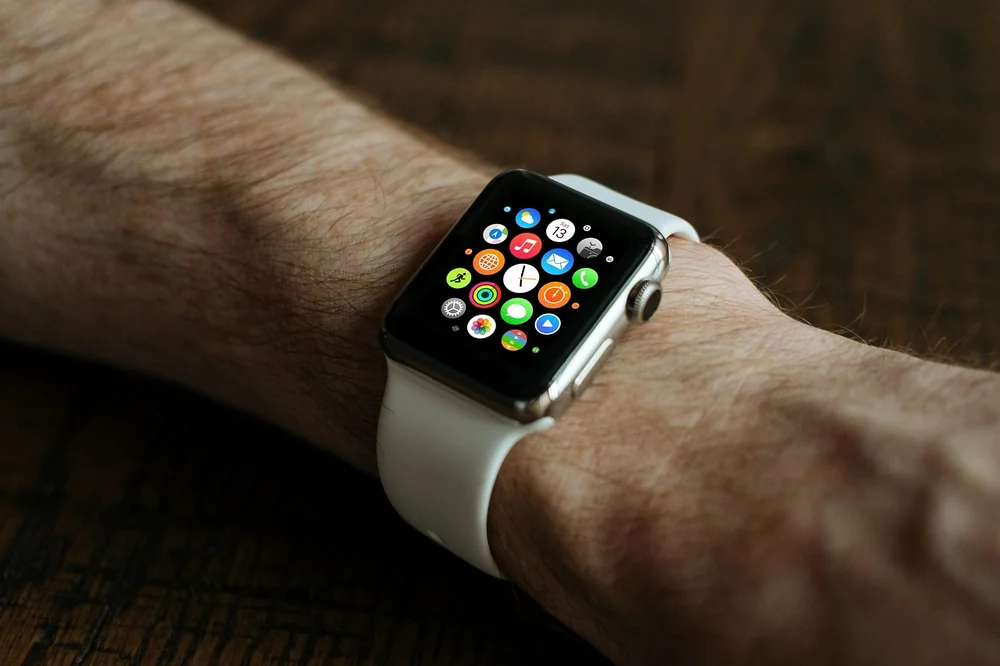
Once you have browsed the app stores for a tracker, you might notice that the tools themselves are evolving fast. Contextual AI and wearable coaching are now at the forefront, transforming how you build routines. Instead of generic notifications, apps are starting to understand your environment, your activity level, and even your mood. This shift is significant for the habit tracking apps market as it moves from simple reminders to intelligent digital coaching that adapts in real time.
The Rise of Contextual AI in Habit Apps
Contextual AI means the app learns when and where you are most likely to follow through. If you always exercise in the morning, the tool will nudge you before your usual time. If you skip a habit on stressful days, it might suggest a gentler alternative. This kind of AI-powered fitness and lifestyle guidance feels less like a chore list and more like a supportive coach. For the habit tracking apps market, this personalization is a major draw — it keeps users engaged longer and makes success feel achievable.
Apple’s Workout Buddy: A Case Study
A concrete example of this trend is Apple’s recent move. In July 2025, the company released the public beta of watchOS 26, which includes a feature called Workout Buddy. This is an AI-powered fitness coach that lives on your wrist. It can analyze your past workouts, adjust intensity based on your recovery, and even offer real-time encouragement. While Apple is just one player, such watchOS updates signal where the whole habit tracking apps market is heading — toward seamless, wearable coaching that fits into your daily life. Whether you use an Apple Watch or another device, expect more apps to adopt similar contextual AI features soon.
Corporate Wellness Investments Accelerate Market Demand
That same momentum from wearable tech is now spilling into the workplace in a big way. Employers are starting to see habit tracking as a practical tool for keeping their teams healthier and more engaged. This shift is giving the habit tracking apps market a significant boost, as companies look for scalable ways to support workforce health. Instead of relying on generic wellness newsletters or one-off challenges, businesses are adopting digital tools that help employees build real, lasting habits.
Related reading: our post Motivated Mindset: Build Self-Confidence, Determination, and Perseverance offers more practical ideas on this.
How Employers Are Integrating Habit Trackers
When a company offers a habit tracker as part of its benefits package, it changes how employees approach their daily routines. These apps can nudge someone to take a walk, drink more water, or get better sleep — all things that add up to improved well-being over time. For employers, the upside is clear: healthier employees tend to be more focused, take fewer sick days, and feel more connected to their workplace. Many organizations are bundling habit tracking with existing insurance wellness programs, making it easy for staff to participate without extra cost. This B2B model is becoming a reliable revenue stream for app developers, too, and it is helping drive the overall habit tracking apps market forward.
The Howden Insurance CloudFit Example
A concrete example of this trend comes from Howden Insurance, which rolled out CloudFit in March 2025. By integrating a dedicated fitness and habit tracking platform, the company signaled a serious commitment to employee engagement through technology. While the specifics of every program will differ, the move reflects a broader pattern: corporate wellness is no longer just about gym discounts or step challenges. Employers want tools that adapt to individual needs and encourage consistent, small improvements. As more companies follow this path, the demand for flexible, results-oriented solutions will keep the habit tracking apps market growing steadily.
Key Challenges: Engagement and Privacy Concerns
Even with strong growth, the habit tracking apps market faces real obstacles that can slow its momentum. Two issues stand out: keeping users engaged over the long term and protecting the personal information these apps collect. If you have tried a habit app before, you may have noticed how easy it is to stop using it after a few weeks. That drop-off is a major problem for developers, and it directly affects user retention rates across the industry.
The Retention Problem in Habit Apps
Low long-term engagement restrains the market because many people download an app with enthusiasm but lose interest once the novelty fades. When an app fails to adapt to your changing routines or feels repetitive, you are likely to abandon it. This creates a cycle where companies focus on acquiring new users rather than improving the experience for existing ones. For the market to mature, developers need to build features that keep you coming back—like gentle reminders, flexible goal adjustments, or social accountability—without overwhelming you. Better app engagement means happier users and stronger growth for the whole industry.
Privacy as a Barrier to Trust
Privacy concerns are another significant hurdle. Many habit tracking apps collect sensitive behavioral data—such as when you wake up, what you eat, or how often you exercise—but fail to provide clear, accessible privacy policies that explain how that information is used. When you cannot easily understand what data is being gathered or who might see it, trust erodes quickly. This is especially concerning for families who may use these tools together. To overcome this challenge, app creators must prioritize data privacy by offering straightforward explanations and simple controls. A transparent approach not only builds confidence but also encourages more people to adopt these helpful tools without worry.
Frequently Asked Questions
How can you use habit tracking apps to build a consistent routine?
Start by picking one small, specific habit you want to track daily. Most apps let you set reminders and log your progress with a simple tap. Focus on showing up each day rather than perfection, and review your weekly streak to stay motivated.
What is the difference between a habit tracker and a to-do list app?
A habit tracker is designed for repetition and long-term behavior change, while a to-do list handles one-time tasks. Habit tracking apps emphasize streaks, reminders, and visual progress over time, making them better for building routines like reading or exercising. For daily chores, a simple to-do list often works best.
Why do many habit tracking apps fail to keep users engaged?
Common reasons include overly complex features and a lack of personalization. If an app demands too much data entry or doesn’t adapt to your lifestyle, you may lose interest quickly. The most practical habit tracking apps keep things simple, offer gentle nudges, and celebrate small wins without overwhelming you.