What Are the Best Low-Light Elegant House Plants?
Winter often means shorter days and less intense sunlight, but your indoor garden doesn’t have to suffer. These elegant house plants adapt to dimmer rooms and need only careful watering to stay healthy. Their forms range from cascading vines to upright sculptural leaves, each bringing quiet life to shadowed corners.
Each of these plants grows more slowly in winter, so resist any urge to water more frequently. Let the soil dry, keep them away from cold drafts, and they’ll hold their elegance until spring.
- Pothos: Pothos plants are low-maintenance and suit various light conditions. Their heart-shaped leaves trail gracefully from shelves, and they thrive even where natural light barely reaches.
- ZZ Plant: ZZ plants flourish in low-light indoor spaces, holding their glossy, deep-green leaves upright without complaint. A dark hallway or a bathroom with a small window suits them perfectly.
- Philodendron: Philodendrons flourish in low-light indoor spaces, offering both vining and self-heading varieties. They forgive missed waterings and quickly bounce back with a fresh leaf or two.
- Whale Fin Sansevieria: This plant’s single broad leaf resembles a whale’s fin, and it requires well-draining, slightly sandy soil to prevent overwatering. It makes a strong architectural statement in a dim entryway.
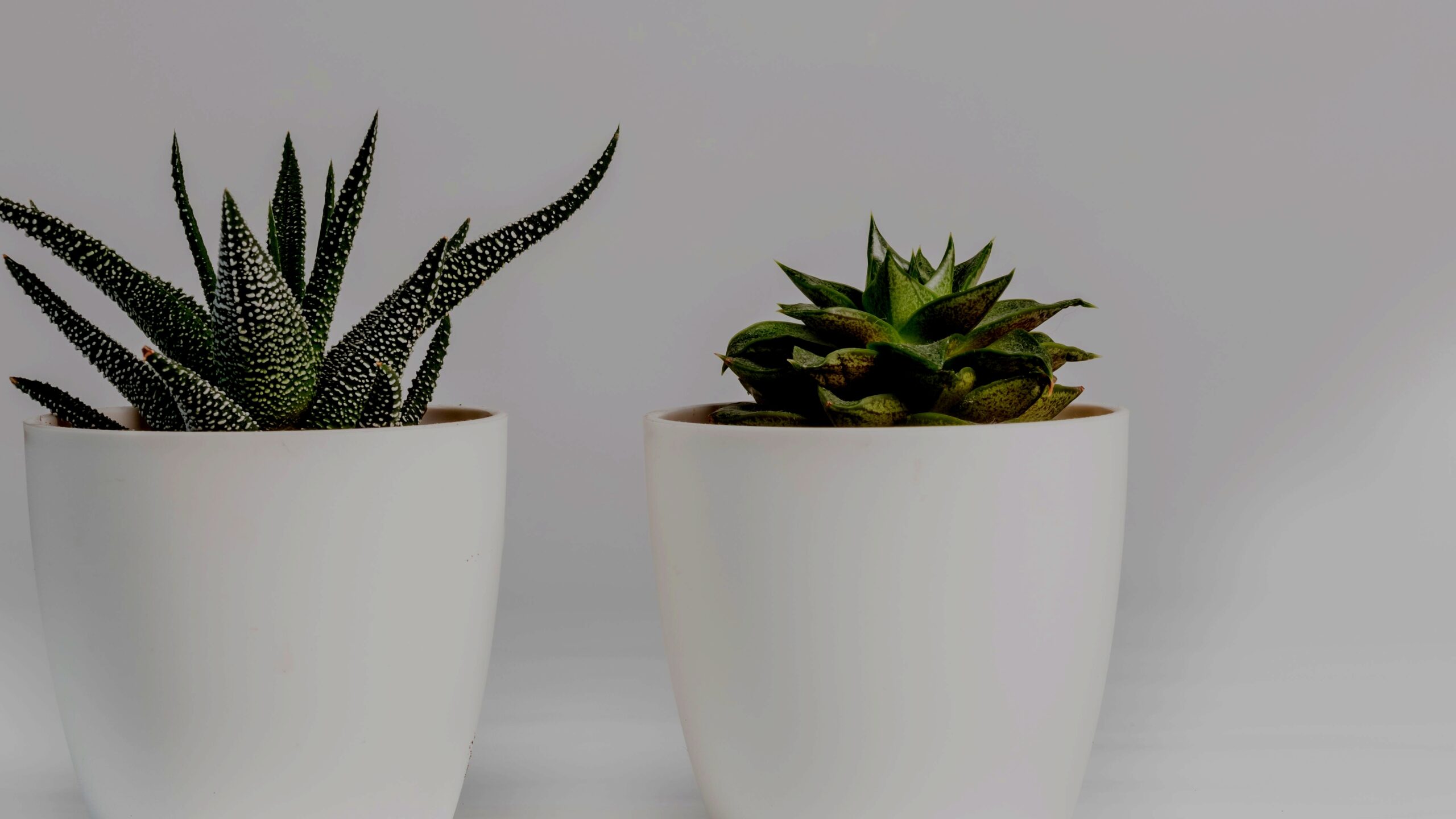
- Moonshine Snake Plant: Moonshine Snake Plant has silvery, almost metallic leaves and prefers medium- to low-light environments. Water it every few weeks, doing so only when the soil is bone dry from top to bottom.
- Prayer Plant ‘Beauty Kim’: Low-light friendly, its oval leaves carry delicate veining. The foliage moves subtly in response to light changes, rewarding a quiet observer.
What Classic Elegant Plants Thrive in Bright Indirect Light?
Rooms with bright but filtered sunlight—near an east-facing window or set back from a south-facing one—suit these classic house plants. They reward consistent care with steady growth and enduring good looks.
| Plant | Light Needs | Watering | Special Notes |
|---|---|---|---|
| Monstera Swiss Cheese Plant | Bright, indirect sunlight | Weekly | Iconic split leaves develop as the plant matures. |
| Bird’s Nest Fern | Bright, indirect light | Only when top few inches of soil feel dry | Thick, glossy leaves form a nest-like rosette. |
| Zebra Plant (Haworthiopsis fasciata) | Bright indirect light | Every few weeks, when soil is totally dry | Spiky rosettes with white horizontal stripes. |
| Norfolk Pine | Medium light | (See winter care below) | Cold-hardy, remains lush without high heat. |
| Dieffenbachia | Partial sun | Approximately every 10 days | Acts as a natural air purifier; dust leaves monthly to prevent pests and maintain gloss. |
| Bay Laurel Tree | (Adapts to indirect light) | (Moderate, let topsoil dry) | Low maintenance, can be grown in pots or ground. |
| Wintergreen Berries | Indirect sunlight | (Moderate) | Leaves produce a minty scent when crushed. |
| Christmas Cactus | Dappled light | (Keep lightly moist) | Needs high humidity to set buds. |
Through the short days of winter, even bright rooms receive fewer hours of usable light. Rotate your pots a quarter turn each week so plants don’t lean toward the window. Wipe down leaves monthly to maximize photosynthesis, and keep an eye on soil moisture—overwatering is a bigger risk than underwatering when growth slows.
What Exotic Elegant Plants Need Bright Indirect Light?
For those with a well-lit room and a taste for the unexpected, exotic house plants deliver drama in leaf form. Their colors, textures, and shapes command attention, and they thrive when you meet their specific needs. These plants need a closer watch than their low-light cousins, especially in heated winter air. Group them together to raise local humidity, and place a small humidifier nearby if leaf edges start to brown.
- Anthurium ‘Veitchii’: Leaves can reach four feet in length, creating a vertical jungle feel. Provide bright, indirect light and high humidity to keep the foliage unblemished.
- Alocasia ‘Tiny Dancer’: This plant can grow nearly two feet tall from the soil, with slender, cupped stems that look like dancing figures. It asks for moderate humidity and bright, indirect light.
- Alocasia Melo: Thick, etched, dark leaves feel almost prehistoric. Indirect light keeps the texture pronounced; water carefully, allowing the soil to dry somewhat between sessions.
- Geogenanthus: Glossy, thick, round leaves show a striking purple underside. Water only when soil is completely dry, and place it in indirect light to avoid scorching the dark foliage.
- Calthea ‘White Fusion’: Variegated green and white leaves develop a purple-ish hue with ample sunlight. It demands bright, indirect sunlight and consistent moisture, so check the soil often—never let it fully dry out.
- Red Chinese Evergreen: Variegated red and green leaves bring warmth to a winter windowsill. With plenty of water and no direct sunlight, it will surprise you with waxy white flowers.
- Purple Passion Plant: Fuchsia accents glow under medium, direct light. Keep the soil evenly moist; its velvety leaves wilt dramatically when thirsty but recover quickly after a drink.
- Pink Polka Dot Plant: High humidity and moderate to bright light keep its speckled leaves vibrant. According to The Sill, placing Pink Polka Dot Plants in a greenhouse or terrarium helps maintain the humidity they crave.
What Pet-Safe Elegant House Plants Can I Choose?
If you share your home with curious pets, finding elegant house plants that are non-toxic brings real peace of mind. Majesty Palm is pet-safe and purifies the air, so you can place it in a bright corner without worry. Its feathery fronds arch outward, creating a lush canopy that softens any room.
According to Rooted, prayer plant leaves fold up at night—a daily rhythm that catches the eye and adds living texture to a shelf. Its oval leaves, traced with delicate veins, thrive in low to medium light and prefer soil that stays lightly moist. Keep both plants away from direct drafts and heating vents, and they will look healthy through the driest weeks. A pet-friendly indoor garden doesn’t mean sacrificing style; these two plants prove that elegance and safety can coexist without compromise.
How Do I Care for Elegant House Plants in Winter?
Winter shifts the rules for watering and positioning. Plants grow slowly, use less water, and react faster to cold drafts. Follow these steps to keep your elegant house plants thriving. Little adjustments like these make the difference between a plant that merely endures winter and one that emerges ready to push out new foliage when days lengthen.
- Water deeply, but less often. Paris Lalicata from The Sill recommends watering plants deeply to encourage root growth. Instead of frequent light sprinkles, soak the soil until water runs from the drainage holes, then wait until the top couple of inches feel dry before watering again.
- Aim water at the soil, not the leaves. Paris Lalicata also advises focusing water on the soil rather than the leaves. Wet foliage in cool, dim conditions invites fungal problems. Use a narrow-spouted watering can and pour directly onto the potting mix.
- Adjust for cold-tolerant varieties. Norfolk Pine should be watered sparingly during cold and dark months. Its need drops noticeably once temperatures dip. Wintergreen Berries are cold-hardy and prefer indirect sunlight, so they handle a cool, bright room better than most tropicals.
- Support winter bloomers. Christmas Cactus blooms in late December. Keep humidity high around it—a tray of pebbles filled with water placed beneath the pot works well. Mist occasionally, but avoid wetting the blossoms.
- Rotate and dust. Turn pots a quarter turn each week so every side gets equal exposure to the limited winter light. Wipe broad leaves with a damp cloth to remove dust; clean leaves absorb light more effectively.
- Hold the fertilizer. Most house plants rest during winter. Feeding now encourages soft, weak growth that attracts pests. Resume dilute feedings in spring when daylight strengthens.
- Shield from drafts. Move plants away from drafty windows and forced-air heating vents. Sudden temperature swings stress roots and leaves, even on hardy species.
Conclusion
Matching an elegant house plant to your home’s winter light is the single most important choice you can make. In low-light rooms, a ZZ plant, Moonshine Snake Plant, or Philodendron will hold its own without fuss. Bright indirect corners welcome a Monstera, Bird’s Nest Fern, or a blooming Christmas Cactus.
If you’re drawn to the unusual, try an Alocasia ‘Tiny Dancer’ or a Calthea ‘White Fusion’—they demand more humidity but repay the effort with foliage that stops conversations. Pet owners can rest easy with Majesty Palm and prayer plant, both safe and visually rewarding.
Winter care boils down to restraint. Water deeply, but only when the soil has dried. Direct the stream to the soil, and never let pots sit in standing water. Rotate plants, dust their leaves, and skip fertilizer until spring.
Norfolk Pine and Wintergreen Berries remind you that some plants actually prefer the cooler season, while Christmas Cactus delivers its show right around the holidays. An indoor garden during the cold months does more than decorate a windowsill. It connects you to growth when everything outdoors lies dormant.
As central heating dries the air, grouping plants and using a pebble tray raises humidity just enough. The subtle movement of prayer plant leaves at dusk or the minty scent of Wintergreen Berry foliage brushed against a sleeve adds layers of experience. Start with one or two of these elegant house plants, watch how they respond to your care, and let the season teach you its quieter rhythm. In time, you’ll find that winter not be the end of the growing season—it can be the foundation of a lasting indoor garden.
FAQ
Q: What are the best elegant house plants for beginners?
A: Beginner-friendly elegant house plants include Pothos, ZZ plant, and Moonshine Snake Plant. They tolerate low light and need little attention.
Q: How often should I water elegant house plants in winter?
A: In winter, water sparingly. Check if the top few inches of soil are dry before watering. Plants like Norfolk Pine need even less water during cold months.
Q: Can elegant house plants survive in low light during winter?
A: Yes. Varieties like ZZ plant, Philodendron, and Prayer Plant ‘Beauty Kim’ thrive in low light. Place them away from cold windows but in indirect light.