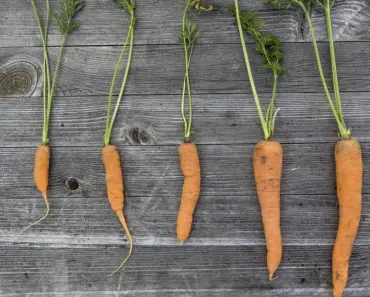

A healthy plant diet emphasizes whole grains, fruits, vegetables, legumes, nuts, and healthy oils like olive oil. Avoid white rice, white bread, fruit juice, and processed cereals. Studies show a healthful plant-based diet lowers heart disease risk. Smart swaps make the transition easier.
A healthy plant diet is a dietary pattern emphasizing whole, minimally processed plant foods like whole grains, legumes, nuts, seeds, fruits, vegetables, and healthy oils, while limiting refined grains, added sugars, and processed plant foods.
What the Science Says About Plant-Based Diets
Plant-based diets are associated with a lower risk of heart disease, according to Harvard Health. However, the exact foods you choose determine how much protection you get. Research led by Dr.
Ambika Satija of the Harvard T.H. Chan School of Public Health, published on 2017-07-25 in the Journal of the American College of Cardiology, makes this distinction strikingly clear.
The study examined dietary data from approximately 209,000 adults over two decades, including 43,000 men. The sheer scale allows a reliable look at how plant foods correlate with heart outcomes, and participants following a healthful plant-based diet had the lowest risk for heart disease. In contrast, participants following an unhealthful plant-based diet had a substantially higher risk for heart disease, which reshapes the “all plants are good” assumption. The difference comes down to how much of the diet consists of whole grains, legumes, nuts, fruits, and vegetables versus refined grains, sugary drinks, and other processed plant foods, and the study tracked actual eating patterns, not just theoretical ideals, giving real-world weight to the numbers.
Smart Swaps: From Unhealthful Plant Foods to Heart-Healthy Choices
Swap refined grains for whole grains: white rice and white bread are highly processed with a high glycemic index, so replace them with whole grains like brown rice or quinoa. Pick whole fruit over fruit juice: 100% fruit juice has less fiber and can be high in sugar, so eat the whole fruit instead. Choose nuts and seeds instead of processed snacks: potato chips and sugary granola bars are unhealthful, while almonds and walnuts provide healthy fats and protein.
Use olive oil instead of butter or margarine: healthy oils like extra-virgin olive oil belong in a healthful plant-based diet and can replace solid fats that raise cardiovascular risk. Drizzle it on vegetables, use it for light sautéing, or whisk into dressings. Load up on legumes: lentils, chickpeas, and black beans replace starchy sides like white potatoes or white pasta, delivering protein, fiber, and a low glycemic load in one affordable ingredient. A lentil soup or bean chili is a direct swap that never feels like sacrifice.
Red Meat and Processed Meat: What to Know and How to Swap
Not all red meat carries the same risk: a study in the January 2017 American Journal of Clinical Nutrition found that 3 ounces of unprocessed red meat three times per week did not worsen blood pressure or total cholesterol. That modest amount can fit into a heart-conscious diet when the rest of the plate leans heavily toward plants. Processed red meat tells a different story: a 2014 report from the American Heart Association analyzed men ages 45 to 79 and found that those eating 75 grams or more of processed red meat per day had a 28% higher risk of heart failure compared with men eating less than 25 grams. A single hot dog or two strips of bacon can easily surpass that threshold.
Swap processed meats for unprocessed options and keep portions small. Three ounces of lean, unprocessed beef a few times a week is one path. An even stronger choice is to replace that meat with plant proteins—lentils, beans, tofu, or tempeh—several days a week. This shift lowers saturated fat and adds fiber, exactly the pattern the healthful plant-based diet research supports.
The Breakfast Factor: Energy Timing and Heart Health
A study in the October 10, 2017 Journal of the American College of Cardiology examined 4,000 adults without cardiovascular or chronic kidney disease, looking at breakfast habits and early signs of atherosclerosis. They found clear differences tied to morning energy intake. Approximately 28% of study participants ate a high-energy breakfast, while almost 70% had a low-energy breakfast and 3% skipped breakfast entirely. Breakfast skippers were 1.5 to 2.5 times more likely to have atherosclerosis than high-energy breakfast eaters, a substantial gap for a single daily habit.
Even low-energy breakfast eaters faced a heightened risk: they were approximately 1.15 times more likely to have atherosclerosis than high-energy breakfast eaters. A morning meal that delivers at least 20% of daily calories—around 400 to 500 calories for many people—appears protective. The study doesn’t pinpoint a perfect food list, but a healthful plant-based breakfast built around whole grains, fruit, and nuts fits the pattern. Oatmeal with walnuts and berries or a whole-grain toast with avocado easily hits that mark.
Conclusion
Heart-healthy eating is not about labeling all animal foods as bad or all plant foods as good; the evidence points to a clear pattern: whole, minimally processed plant foods, smart red meat choices, and a substantial breakfast. Refined grains, sugary plant products, and processed meats consistently push risk in the wrong direction. By swapping white rice for quinoa, skipping the fruit juice, trading bacon for lentils, and making breakfast a real meal, you build a daily routine that decades of data say protects the heart. These adjustments are small enough to stick and specific enough to trust.
FAQ
Q: What is a healthy plant-based diet? A: It emphasizes whole, minimally processed plant foods: whole grains, fruits, vegetables, legumes, nuts, seeds, and healthy oils like olive oil. Whole grains like brown rice and oatmeal, along with fruits and vegetables, provide fiber and nutrients. Legumes and nuts offer protein and healthy fats, while refined grains and added sugars are limited to reduce heart disease risk. This pattern is supported by research and can be adopted through smart swaps.
Q: How can I swap processed meats for heart-healthy options? A: To swap processed meats for heart-healthy options, replace processed red meats like bacon with unprocessed options like 3 ounces of lean red meat three times a week, or choose plant proteins like lentils, beans, tofu, or tempeh several days a week. This shift lowers saturated fat and adds fiber, and limiting processed meat to under 25 grams per day further reduces risk. These swaps align with the pattern that protects the heart, and a single hot dog or two strips of bacon already exceed that limit.
Q: Is skipping breakfast bad for your heart? A: Yes, skipping breakfast is associated with a higher risk of atherosclerosis, according to a Journal of the American College of Cardiology study of 4,000 adults. A high-energy breakfast providing about 20% of daily calories appears protective. Even a low-energy breakfast offers some benefit, but a substantial morning meal is best, highlighting the importance of morning energy intake.