Indoor gardening involves creating a contained garden-like landscape from houseplants. Success depends on selecting plants with similar light, soil, and water needs, using a shallow planter with drainage, and monitoring light levels with a digital meter or phone app. Indoor gardening is the practice of creating a contained, garden-like landscape from houseplants, typically smaller than outdoor gardens and thriving year-round in climate-controlled home environments.
How to Start an Indoor Garden: What You Need
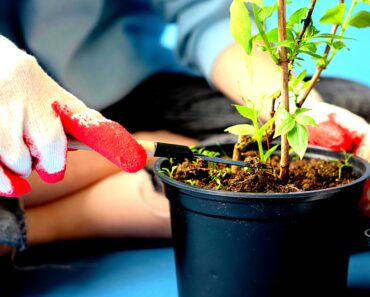
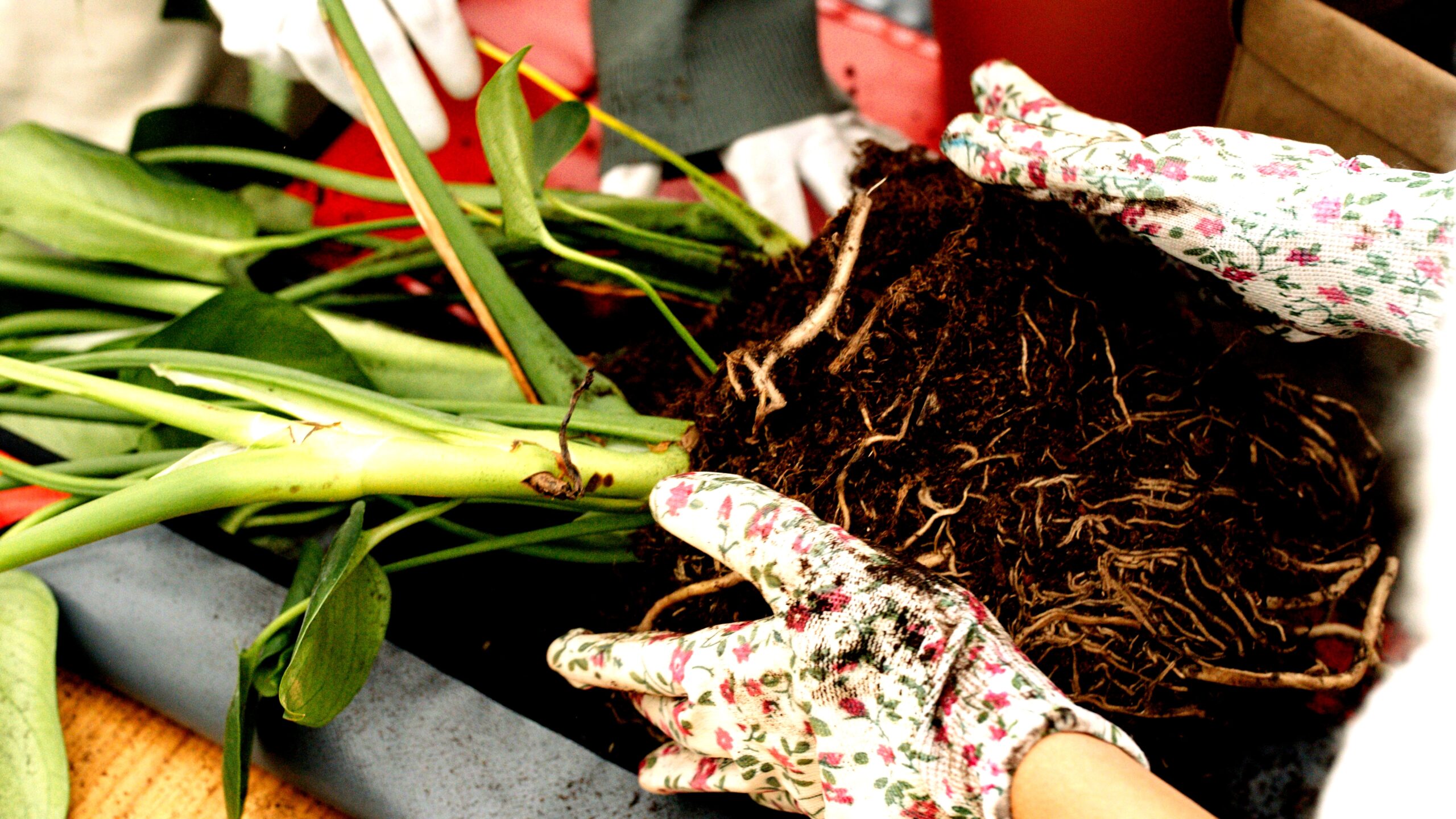
- Choose a large, shallow planter. Look for one with a matching saucer and generous drainage holes. A wide container gives roots room to spread and lets you group plants close together.
- Pick a soil mix made for indoor plants. These blends balance moisture retention and aeration better than garden soil. Avoid heavy outdoor mixes that compact inside.
- Select at least two plants that share the same light, soil, and water preferences. Compatibility drives long-term survival. You cannot plant a moisture-loving fern beside a succulent that rots in damp soil.
Why Light Matters Most for Indoor Gardening
Light is the most important factor for houseplant growth. Human eyes are poor judges of light intensity because they adapt. A corner that feels bright to you may deliver only a fraction of the light a sun-loving aloe requires.
Aloe plants need higher light levels than peace lilies. ZZ plants tolerate far dimmer spots than fiddle-leaf figs. These differences explain why mixed-plant gardens succeed only when every species in the container receives the same light dose. Pairing a high-light cactus with a shade-tolerant pothos will eventually kill one of them.
Digital light meters give accurate readings in foot-candles or lux. Phone apps that estimate light levels offer a decent second option. Measure at plant height at different times of day. Hard numbers replace guesswork and help you position the planter where all the chosen plants actually thrive.
How to Choose Plants with Matching Needs
Plant compatibility starts with soil. Orchids need well-drained, aerated mixes—bark-based, not dense peat. Ferns demand rich, peat-mix soils that hold moisture. Putting both in the same planter without isolating one in its own pot means at least one root system will struggle.
Growth habit matters just as much. Pothos plants grow slowly, stay low to the ground, and rarely outpace neighbors. Fiddle-leaf figs shoot tall and eventually demand more headroom and root space. A mixed container with a tall, fast grower can overshadow or choke out compact companions within a few months.
Check the mature size on the plant tag. Ask a nursery staffer whether two species share the same water rhythm. A compatible group will look balanced now and a year from now.
How to Water Indoor Plants Without Overwatering
Regular watering schedules such as once a week can cause root damage. Soil moisture, not the calendar, dictates when to water. Stick a finger an inch deep; if it feels damp, wait.
Orchids and succulents must dry out periodically to avoid root rot. Their roots need air as much as they need water, and constant moisture suffocates them. Maidenhair ferns decline quickly in dry soil. They wilt within hours if the mix loses its dampness, making them unforgiving companions for drought-adapted species.
You can sidestep the problem by keeping a drier plant in its own pot and partially submerging it inside the larger indoor garden container. The pot walls limit water exchange, so a succulent and a fern can live side by side without either one suffering.
Why Soil and Fertilizer Matter for Indoor Gardens
Houseplants exhaust the nutrients in their potting mix after a few months of active growth. The right fertilizer fills that gap. African violets, for instance, need high phosphorus applications to bloom. Without it, they often stop producing flowers even if light and water are correct.
Feed lightly and only during the growing season. A balanced liquid fertilizer diluted to half strength works for most foliage plants. Blooming species may need a formula with more phosphorus.
Never fertilize bone-dry soil; that can burn roots. Water first, then feed, and always follow the label.
Which Indoor Plants Are Invasive? What Florida Gardeners Should Know
English ivy, non-native sword fern, and pothos are all invasive exotics in Florida. They escape cultivation easily and outcompete native vegetation. Even a small cutting tossed outdoors can root and spread.
The UF/IFAS Assessment of Non-native Plants in Florida’s Natural Areas provides invasive assessments for hundreds of plants. Check it before buying. Keep these species strictly indoors, never move them to porches where they can reach the ground, and dispose of trimmings in sealed bags—not in yard waste or compost.
Conclusion
A thriving indoor garden starts with plants that share the same light, soil, and watering needs. Measure light with a meter, not your eyes. Group species by their natural preferences, not by their looks.
Water only when the soil signals it is time, and isolate incompatible root systems in separate pots inside one large planter. A small upfront effort in plant matching and light measurement prevents most failures. Start with two or three compatible plants and watch them settle in before expanding.
FAQ
Q: What is indoor gardening?
A: Indoor gardening is creating a contained, garden-like landscape from houseplants that is smaller than outdoor gardens and thrives year-round in climate-controlled home environments. Q: What do I need to start an indoor garden?
A: You need a large, shallow planter with a saucer and good drainage, soil mix designed for indoor plants, and at least two plants with similar light, soil, and water needs.
Q: How often should I water indoor plants?
A: Avoid regular schedules like once a week, which can cause root damage. Instead, check soil moisture: let orchids and succulents dry out, and keep maidenhair ferns consistently moist.