
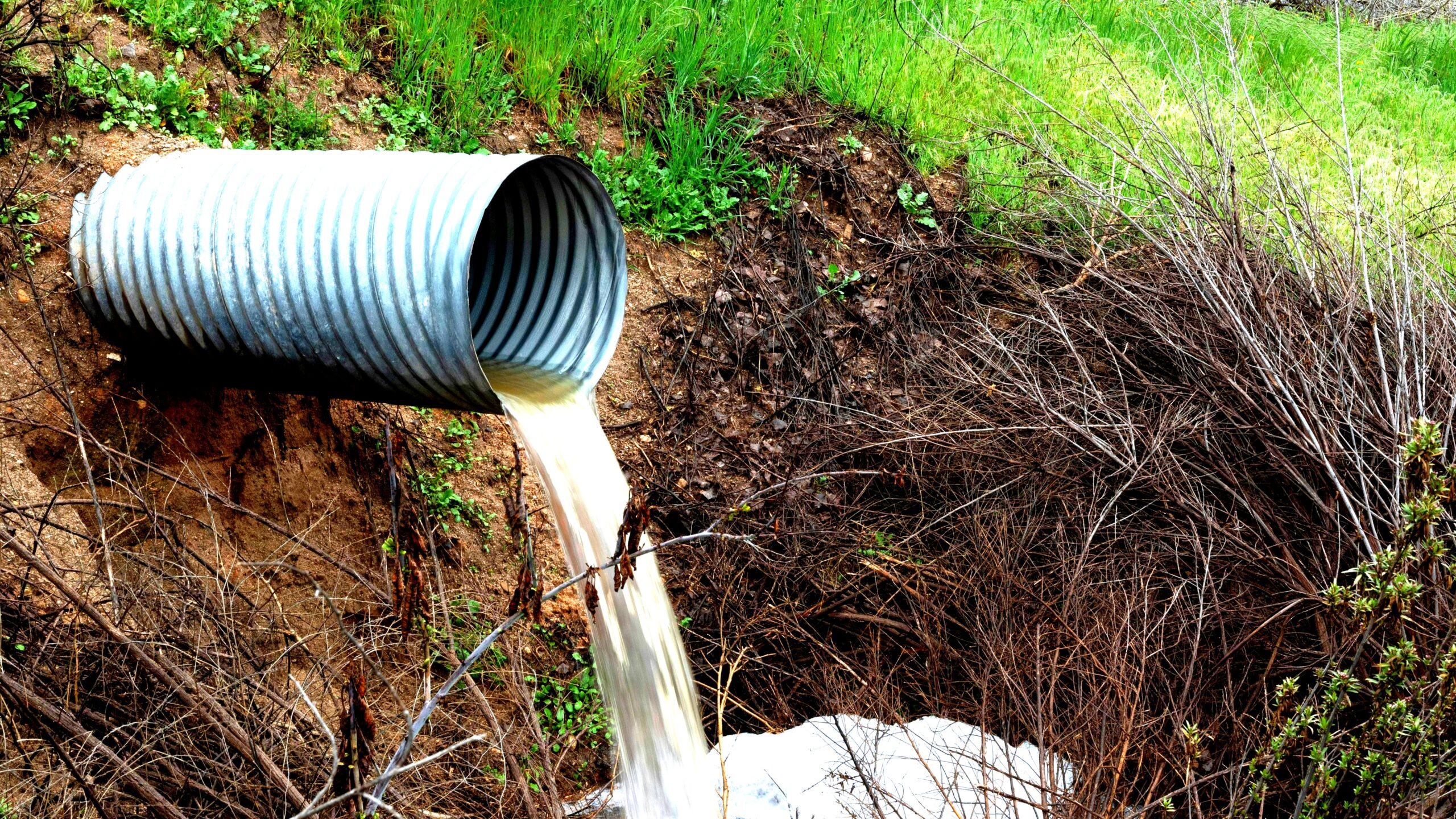
For outdoor sewage cleanup, keep children and pets away. Wear protective gear. For minor spills, cover area with garden lime and let stand 24 hours.
Shovel into doubled bags. For major spills, use a vacuum tanker. Do not use bleach on natural surfaces. Wait 12 months before planting on contaminated soil.
Outdoor sewage cleanup is the process of safely removing and disinfecting sewage that has surfaced from a failing septic system, using protective gear, lime for minor spills, and professional vacuum tankers for major spills. The Eastgate Environmental Health office at 206-477-8050 is the first point of contact for homeowners needing septic system confirmation.
How to Spot Septic System Failure Signs
- Bad odors around the drainfield: A persistent sewage smell near the drainfield, especially after heavy rain or water use, signals that effluent is surfacing instead of filtering properly.
- Lush green grass and wet spots: Overly vibrant grass over the septic tank or drainfield often points to nutrient-rich effluent saturating the soil.
- Standing water in the drainfield: If water pools where it shouldn’t, the soil can no longer absorb the effluent, and the system is failing.
- Plumbing or septic tank backups: Sewage coming back up through toilets, sinks, or drains indicates a serious blockage or drainfield failure.
- Slow draining fixtures: When multiple sinks, tubs, or showers drain slowly, the system cannot handle the volume.
- Gurgling sounds in the plumbing: Air trapped due to poor flow creates gurgling noises — a telltale sign of a struggling system.
- Pumping may not be enough: A routine tank pump-out won’t fix a failing drainfield. It may temporarily relieve pressure but won’t solve the underlying problem.
Professional inspection and permitting through Public Health — Seattle & King County is the only way to confirm a failure and proceed with repairs.
Confirming a Septic Failure and Getting a Repair Permit
After identifying warning signs, the next step involves contacting Public Health — Seattle & King County to confirm the failure.
- Call the Eastgate Environmental Health office at 206-477-8050. Staff provide guidance and may schedule a dye test to determine if visible surfacing water is septic effluent.
- Schedule an inspection with Public Health — Seattle & King County. They can confirm the failure and explain permit requirements.
- Hire a certified installer, licensed designer, or qualified professional engineer. These experts examine the system and submit a repair proposal to the health department.
- Use a certified maintainer if backups or slow draining are the main symptoms. They investigate causes and recommend immediate fixes.
- Work with a licensed designer for the repair plan. They base the design on property characteristics and submit the full application for a repair permit.
Before committing to repairs, understand the risks of jetting on older septic systems and explore funding options like the Craft3 Clean Water Loan Program.
The Truth About Jetting on Old Septic Systems
Jetting uses high-pressure water to clear septic pipes, and it’s tempting to try it before committing to a full drainfield replacement. For older gravity systems, however, that quick fix often causes more harm than good. The risks can be immediate and expensive to reverse.
Risks of Jetting on Old Gravity Systems
- Jetting can drastically decrease the soil’s ability to treat wastewater.
- The high-pressure water commonly damages aging pipes, especially those not designed to withstand such force.
- It shortens the overall lifespan of the system by disrupting the delicate biological mat and soil structure in the drainfield.
- Jetting does not resolve the underlying failure; it is a temporary measure that typically leads to more costly repairs later.
When Jetting May Be Allowed
Not all systems are barred from jetting. As of June 1, 2016, the health department considers jetting for:
- Pressurized systems that use small-diameter PVC pipe.
- Gravity systems with rigid 4-inch diameter PVC pipe — but only after a repair proposal is submitted by a master installer, licensed designer, or professional engineer.
That proposal must thoroughly evaluate the system’s age, remaining life expectancy, vertical separation distance, and the required level of treatment to protect water quality. Public Health — Seattle & King County reviews the proposal during the repair permit process to confirm these criteria are met. When Jetting Is Absolutely Forbidden
Even with a proposal, jetting is never permitted on:
- Concrete or clay tile pipes.
- Flexible PVC pipes.
- Septic systems that have no record drawing.
- Old systems that have already reached the end of their expected lifespan.
Funding Repairs: The Craft3 Clean Water Loan Program
The Craft3 Clean Water Loan Program is available throughout King County for repairing or replacing on-site sewage systems. This loan program can cover eligible repair costs, helping homeowners afford necessary work. With financing secured, the next critical step is safely cleaning up any outdoor sewage contamination.
Outdoor Sewage Cleanup: Step-by-Step Instructions
Secure the area first: keep children and pets far away and never touch sewage with bare skin. Put on protective gear: rubber gloves, rubber boots, a waterproof bodysuit, goggles, and a mask are the minimum. All clothes worn during cleanup must be discarded or washed alone on a hot 60°C cycle.
- Minor outdoor spills
- Sprinkle garden lime evenly over the entire affected area until it is covered in a fine white dust.
- Let the lime stand undisturbed for 24 hours.
- After 24 hours, shovel the lime-soaked residue into doubled, heavy-duty trash bags. Secure tightly and dispose as hazardous waste.
- Major outdoor spills
- Contact an approved pumper truck or sewage cleanup company equipped with a vacuum tanker.
- Solid waste must be removed by hand first, placed into sturdy bin bags, and bagged for disposal. The tanker then extracts liquid and remaining sludge.
- Do not attempt a large spill with lime alone; a vacuum tanker is the only reliable method.
- Hard surface cleaning
- For driveways, patios, or walkways contacted by sewage, scrub vigorously with hot water, bleach, and soap using a hard bristle brush. Rinse thoroughly afterward.
- Land use restrictions
- Never pour bleach onto grass, dirt, or any natural surface. It damages soil biology and does not sanitize subsurface contamination.
- If the contaminated area is used for growing crops, wait a full 12 months before planting anything. Fence off the area to prevent accidental contact.
Indoor Sewage Cleanup Protocols
Before beginning, turn off electricity to flooded rooms if safe to do so. Then work through the following steps systematically.
- Remove saturated carpet and pads
- Pull up wall-to-wall carpeting and underlying padding that have absorbed sewage. Discard immediately, bagging materials as contaminated waste.
- Clean hard surfaces
- Wash floors, baseboards, and other non-porous surfaces with hot water and a mild detergent. Rinse with a bleach solution (one tablespoon liquid household bleach per gallon of water). Ventilate the space well.
- Strip out damaged wall materials
- Cut out and replace any plaster, plasterboard, or lath that has become saturated with sewage. These materials cannot be effectively disinfected once soaked. After removal, dry the area thoroughly to prevent mold.
- Handle food items carefully
- Throw away all sealed food packages, home-canned goods, paper- or cardboard-packaged food, and any unpackaged produce that contacted sewage.
- Undamaged canned goods can be salvaged: remove labels, scrub cans with detergent, rinse with clean water, then boil for 10 minutes. Alternatively, soak them in a bleach solution (one tablespoon bleach per gallon of water) for 15 minutes. Air-dry and relabel before storing.
- Do not boil canned beverages; the risk of explosion is high. Discard any drink cans exposed to sewage.
FAQ
Q: What is the first thing to do after discovering an outdoor sewage spill?
A: Keep children and pets away and avoid direct contact. Wear protective gear including rubber gloves, boots, a waterproof bodysuit, goggles, and a mask before approaching the spill.
Q: Can I use bleach to clean up sewage on grass or dirt?
A: No. Bleach must not be used on grass, dirt, or other natural surfaces. Instead, treat minor spills with garden lime and let it stand for 24 hours, then shovel into doubled trash bags.
Q: How long should I wait before planting crops on soil that had a sewage spill?
A: Do not grow anything on contaminated land for 12 months following a sewage spill. This applies to any area used for growing crops.