Mindfulness doesn’t require hours of meditation or a silent retreat on a mountaintop. Small, consistent daily mindfulness exercises can quietly reshape your day, turning ordinary moments into anchors of calm and clarity. If your morning feels like a sprint and your attention feels scattered by midday, the 71 ideas that follow offer a manageable path back to the present—no special gear, no app subscription, no perfect quiet required.
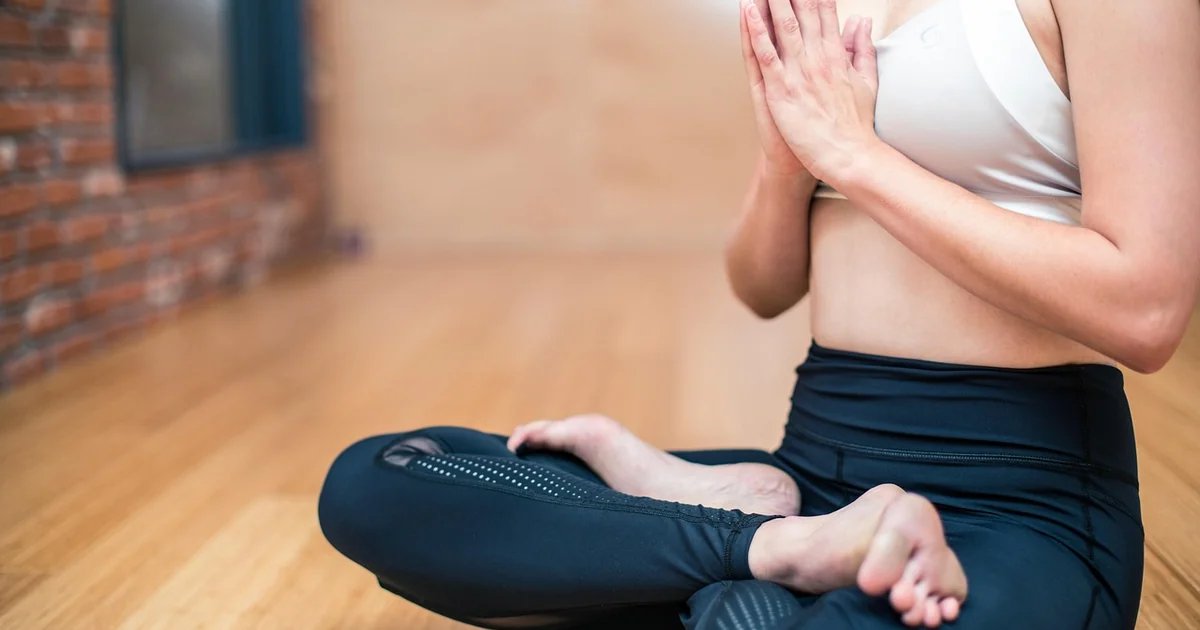
Morning Mindfulness Exercises
1. Wake Up Earlier
Choosing to rise even fifteen minutes before the rest of your household changes the texture of the morning. That small pocket of quiet gives you breathing room rather than rushing straight into demands. When you wake up earlier, you extend the amount of time you have to enjoy life and you create space to practice daily mindfulness exercises before your brain even logs its first stressor.
2. Awaken With Gratitude
Instead of reaching for your phone, place a hand on your chest and name three things you feel genuinely thankful for. The key is not a long list but the depth of feeling. Awakening with gratitude trains the mind to scan for what is working rather than fixating on frustrations. Sink into the sensation of appreciation for just a minute—it sets a warmer emotional tone that colors whatever follows.
3. Do a Mindful Body Scan
A body scan is a meditative practice where you focus attention on each part of the body, often starting at the toes and slowly moving upward. How can a morning body scan set the tone for the day? It trains your attention on each body part, fostering present-moment awareness and reducing stress before you even leave the bed. You notice tension you didn’t know you were holding, and that simple recognition often softens it.
4. Practice a Morning Breathing Exercise
Is breathing really that powerful? Absolutely. Practicing mindful focused breathing for ten minutes a day reduces stress and promotes relaxation by stimulating the parasympathetic nervous system. This reflex slows your heart rate and releases muscle tightness. Try inhaling for a count of four, holding for four, and exhaling for six. Even three cycles can shift a frantic morning into a steadier rhythm.
5. Notice Your Thoughts Without Attachment
What if negative thoughts flood your morning? Many people wake already cycling through anxious predictions. When you separate yourself from your thoughts and simply notice them with detachment, you remove some of the power they have over your emotions. Imagine your thoughts as clouds drifting across a screen—you can observe them without becoming them. This one shift cracks open a little more mental freedom each day.
6. Make Your Bed Mindfully
Why is making your bed a keystone habit? This simple task correlates with increased productivity, well-being, and better budgeting skills in broader research on habit formation. But beyond data, the act itself can be an attentive ritual. Smooth the sheets, fluff the pillow, and let the smallness of the task pull you fully into the present moment with focus and gratitude for the day ahead.
7. Turn Your Shower Into a Meditation
Can a shower become a meditation? Yes, by adding a quick meditation session to your shower routine, you integrate mindfulness seamlessly. Notice the temperature of the water, the scent of the soap, the sound of the spray. When your mind wanders to your to-do list, gently guide it back to the physical sensations. The bathroom becomes a temporary sanctuary rather than just a hygiene station.
8. Savor Your Morning Beverage
Whether coffee, tea, or warm lemon water, treat the first sip as a sensory experience. Observe the steam, the weight of the mug, the first taste on your tongue, and the warmth spreading downward. Do nothing else for those sixty seconds. This tiny pause interrupts autopilot and signals to your nervous system that you are safe and present.
9. Step Outside Barefoot
Even thirty seconds of bare feet on grass, soil, or a textured mat triggers a sensory reset known as grounding. The variety of textures underfoot forces your brain to pay attention to right now, not the email you haven’t sent. It’s a daily mindfulness exercise you can practice while the coffee drips.
10. Stretch With Awareness
Reach toward the ceiling and notice how each vertebra moves. Bend sideways and track the stretch along your ribcage. Too often stretching is mechanical—slow it down and inquire, “Where do I feel tightness? Warmth? Release?” This turns a physical motion into a full-body check-in.
11. Set a One-Word Intention
Before stepping into the day’s demands, choose a word like “patience,” “curiosity,” or “ease.” Whisper it aloud and let the meaning sink into your mind. The intention acts as a gentle compass, pulling you back toward presence when you drift.
12. Visualize a Positive Moment
Picturing a small success—a calm conversation, a focused work block, a relaxed meal—primes the brain to notice opportunities for that outcome. It’s not forced optimism; it’s a mental dress rehearsal that nudges your day toward what you value.
13. Write a One-Sentence Morning Journal
Open a notebook and complete this prompt: “Right now I notice…” It can be anything: a sound, a body sensation, an emotion, a thought. The brevity keeps it doable and prevents the journal from becoming a chore.
14. Listen to Morning Sounds Without Labeling
Sit by an open window or step onto the porch and simply receive the soundscape—birds, wind, distant traffic, a neighbor’s door. Resist the habit of naming sources or judging them. Pure listening pulls you out of mental chatter and into raw sensory input.
15. Brush Your Teeth With Full Attention
Notice the minty taste, the bristles against your gums, the foam, the sound of brushing. Mundane self-care tasks are perfect opportunities for daily mindfulness exercises because they happen on repeat. You’re already doing them; now do them with your entire awareness.
Daily Mindfulness Exercises for Midday Reset
16. The Three-Breath Pause
Between tasks, close your eyes or simply lower your gaze and take three deliberate breaths. Feel the air enter your nostrils, fill your chest, and leave through your mouth. Twenty seconds can bust the frantic momentum that builds before lunch.
17. Mindful Commuting
If you drive, turn off the radio for five minutes and notice the grip of your hands on the wheel, the texture of the seat, the rhythm of stoplights. If you walk or use transit, pick one sense—maybe sound or sight—and stay with it. The journey becomes the practice, not just a means to an end.
18. Single-Tasking at Work
Choose one task and commit to doing only that for a timed ten minutes. Close extra tabs, silence notifications, and dive fully into that single activity. The brain’s craving for novelty will protest, but attention is a muscle. Training it with brief single-tasking sessions sharpens focus and reduces mental exhaustion.
19. Eat One Meal Mindfully
Try the classic raisin exercise once, then extend it to a whole plate of food. Begin by looking at the colors and shapes, then smell the aroma, then take a small bite and chew slowly, identifying each flavor. Put the fork down between bites. You’ll likely notice fullness sooner and enjoy the food more deeply.
20. Body Check-In at Your Desk
Set an alarm for 11 a.m. and scan from head to toe: furrowed brow, clenched jaw, hunched shoulders, tight hips, crossed legs. Adjust what you can and simply observe what you cannot change immediately. Noticing tension is itself a release valve.
21. Walk With Deliberate Steps
During lunch or a break, walk slower than usual and coordinate breath with stride—three steps per inhale, three per exhale. Feel the ground under your shoes, the swing of your arms. A ten-minute mindful walk can reduce cortisol dips and restore a sense of spaciousness.
22. The 5‑4‑3‑2‑1 Grounding Exercise
Anchor yourself in the present by naming five things you see, four you can touch, three you hear, two you can smell, and one you can taste. This popular sensory drill interrupts spiraling thoughts and reequips the brain with concrete data from the environment.
23. Mindful Listening in Conversation
In your next interaction, listen to understand rather than to respond. Notice the other person’s facial expressions, tone, and pauses. When your mind starts drafting a reply, bring it back to their words. This not only deepens relationships but reveals how rarely we actually listen.
24. Count Small Blessings at Noon
Pause at your desk or in the breakroom and silently name three things going well. This midday gratitude injection resets a negative internal narrative and rebalances the brain’s natural negativity bias.
25. Use a Mindfulness Bell
Pick an everyday sound—an office phone, a bird outside, a notification tone—and treat it as a bell of mindfulness. Each time you hear it, stop for three seconds and breathe. The sound hijacks autopilot and brings you back to your body.
26. Practice Loving-Kindness for a Colleague
Silently send well-wishes to someone you work with: “May you be happy, may you be healthy, may you be at ease.” Even if the person is challenging, the practice softens frustration and builds emotional resilience. Do it for thirty seconds and notice any internal shift.
27. Observe the Sky
Look out the window and study the clouds, the light, or the pattern of rain against glass. Let the vastness offer perspective. The sky is always present, always changing, and it requires nothing from you in return.
28. Mindful Hydration
When you reach for a glass of water or a refill, slow the motion. Feel the coolness of the glass, the sensation of water on your lips and traveling down your throat. One attentive sip can refresh more than a whole bottle gulped mindlessly.
29. Observe a Difficult Emotion Without Feeding It
When irritation or anxiety bubbles up in a meeting, silently label it: “There is frustration.” Notice where it lodges in the body—tight chest, heated face. Avoid judging it as good or bad. Simply watching the emotion with curiosity often diminishes its grip within ninety seconds.
30. Hand Awareness Pause
Place your hands flat on your thighs or a tabletop and study them as though seeing them for the first time—texture of skin, shape of nails, crease lines, temperature. This niche yet powerful practice re-routes attention away from head-noise and into physical reality.
31. Mindful Hand Washing
Turn hand washing into a mini ritual. Notice the water temperature, the lather, the scent of soap, the sensation of fingers interlacing. Any act you do multiple times a day can become one of your daily mindfulness exercises if you approach it with full sensory attention.
32. Surf an Urge
When the impulse to check social media or snack out of boredom arises, pause for sixty seconds and watch the sensation. Where does the urge live in your body? It often rises, peaks, and subsides like a wave. The more you practice riding it out, the less control it holds.
33. Deepen One Routine Task
Select one monotonous chore—filing papers, washing a dish, entering data—and perform it with exaggerated slowness and precision. Immerse yourself in the textures and movements. The task transforms from dread to meditation.
34. Affirm What You’re Doing Right Now
Silently narrate your current action: “Typing words now. Feeling the keys. Hearing the fan hum. Noticing a pause in thought.” This verbal noting keeps the mind tethered to the present and prevents it from wandering into worry loops.
35. Two‑Minute Total Silence
Wherever you are, create two minutes of absolute quiet. No music, no conversation, no phone. Just sit and let the silence wash over you. Initially uncomfortable, silence soon reveals a spacious backdrop that feels deeply restful.
Daily Mindfulness Exercises for the Afternoon Slump
36. End‑of‑Work Transition Ritual
Before leaving your workspace (or closing your laptop), take one minute to summarize what you accomplished and consciously shift gears. Visualize setting down the work and picking up home life. Without a marker, the brain often stays half‑present in both worlds.
37. Walk Somewhere Green
Even five minutes near a tree, a patch of grass, or a planter box helps the nervous system downshift. Notice the textures, the movement of leaves, the damp smell of soil. Nature doesn’t demand attention; it receives it gently.
38. Mindful Snacking With All Your Senses
Take an apple or a few almonds and explore them as you did the raisin. Hold them, smell them, listen to the crunch, and chew until the food is liquid. This practice not only enhances enjoyment but also curbs overeating by giving the brain time to register satisfaction.
39. Box Breathing for an Afternoon Reboot
Inhale for four counts, hold for four, exhale for four, hold for four. Repeat four times. This breathing pattern, used by first responders to stay calm under pressure, rapidly resets an overactive nervous system and sharpens mental clarity.
40. Journal Three Good Things From the Day So Far
Spend three minutes writing about positive moments: a compliment you gave, a task completed, a laugh shared. Writing activates the brain’s reward circuits more deeply than merely thinking, which makes this one of the most potent daily mindfulness exercises for shifting mood.
41. Acknowledge Three Small Wins
On a sticky note or phone memo, record three things you did well today—even if it’s just showing up for a tough conversation or holding a door open. Acknowledgment builds self‑efficacy and fights the “never enough” mental trap.
42. Send a Mindful Appreciation Text
Compose a brief message to someone expressing genuine thanks or admiration. Pause and visualize the person reading it. Done mindfully, this act connects you to the social web of kindness and pulls attention outward in a healthy way.
43. Try a Three‑Minute Breathing Space
This structured meditation has three steps: acknowledge what’s happening inwardly, gather attention onto the breath, and expand awareness to the body as a whole. The whole sequence fits into 180 seconds yet leaves you feeling clearer and less reactive.
44. Catch Yourself Running on Autopilot
Whenever you notice you’re doing something without awareness—scrolling, eating, walking—simply pause and say silently, “I’m here now.” The gentle interruption is enough. You don’t need to fix it; just notice it.
45. Declutter One Tiny Area With Full Attention
Pick a single drawer, a desktop inbox, or a shelf. Touch each item, ask if it belongs, and move it with intention. The external order often creates internal calm, and the process itself is a meditation on decision‑making.
You may also enjoy reading: 23 Must-Have Budget Printables for Family Expenses.
46. Notice Color and Light
Scan the room and name five specific colors you see. Pay attention to how the afternoon light falls on surfaces. This aesthetic awareness reactivates the right hemisphere of your brain and provides a mini mental vacation.
47. Sip a Warm Drink While Doing Absolutely Nothing Else
Afternoon tea or coffee can be a punctuation mark. Sit down, hold the mug with both hands, and don’t read, scroll, or plan. Let the warmth anchor you. Even five minutes of this replenishes more than a full hour of multitasking.
48. Do a Standing Forward Fold
Stand up, hinge at the hips, and let your arms dangle toward the floor. Breathe for ten slow cycles and notice the stretch in your hamstrings and the release in your spine. The inverted position calms the nervous system and brings fresh blood to the brain.
49. Repeat a Calming Mantra Slowly
Choose a phrase like “I have enough time” or “Peace is already here” and say it internally several times, lingering on each word. The meaning matters less than the slow rhythm and the focused attention.
50. Connect With a Pet or Animal
If you have a pet, sit down and give them your undivided attention for a few minutes. Stroke their fur, listen to their breathing, and observe their body language. Animals live almost entirely in the present, and they generously invite you to join them.
Daily Mindfulness Exercises for Evening Wind‑Down
51. Candle Gazing (Trataka)
Place a lit candle at eye level, dim the room, and gaze at the flame without blinking for as long as comfortable, then close your eyes and hold the after‑image. This ancient concentration practice quiets the mind and provides a calm bridge into nighttime mode.
52. Evening Body Scan for Sleep
Repeat the morning body scan but slower, with an emphasis on releasing tension. Starting at the toes and moving upward, spend an extra breath on areas that held stress. Progressive relaxation combined with mindfulness signals the brain that it’s safe to rest.
53. Gratitude Before Bed
Name three specific moments from the day that brought you joy or peace—a kid’s laugh, a helpful stranger, a meal that hit the spot. Let the feelings wash over you again. Practicing evening gratitude deepens sleep quality and trains the mind to scan the day for silver linings.
54. Reflective Journaling on One Moment
Rather than recapping the entire day, write in detail about a single moment: the temperature of the air, the words spoken, the emotion that surfaced. This fine‑grain reflection sharpens awareness and embeds positive experiences into long‑term memory.
55. Progressive Muscle Relaxation With Awareness
Tense each muscle group for five seconds, then release and notice the sensation of relaxation for ten seconds. Proceed from feet to face, bringing full attention to the contrast between tension and ease. This hybrid practice drops you deeply into the body.
56. Read One Page With Full Absorption
Choose a book—fiction, poetry, nonfiction—and read just one page slowly, savoring each sentence. The goal isn’t information but presence. Notice the rhythm of the prose and the images it evokes.
57. Listen to Music Without a Secondary Task
Put on a piece of instrumental music, close your eyes, and track a single instrument throughout the piece. Let the sound completely fill your awareness. Listening as the sole activity feels enormously luxurious and restorative.
58. Loving‑Kindness Meditation for Yourself
Sit quietly and repeat internally: “May I be safe, may I be happy, may I be healthy, may I live with ease.” Then extend the circle outward to loved ones, acquaintances, and eventually all beings. This practice cultivates self‑compassion and diminishes feelings of isolation.
59. Write Down Worries and Release Them
On a sheet of paper, scribble every nagging concern. When you’re done, tear the paper into small pieces or simply fold it and set it aside. The physical act gives the brain permission to let go of its vigilant hold on anxiety until morning.
60. Mindful Bathing
Whether a full bath or a quick evening shower, attend to each sensation—temperature, steam, scent of soap, the tickle of water on your scalp. Imagine the day’s residue washing away. Nighttime hygiene can become a sacred ritual with nothing added except intention.
61. Observe Your Breath as You Fall Asleep
Lying in bed, bring attention to the natural rhythm of your breathing. When thoughts drift toward planning or replaying the day, return to the breath, almost like a lullaby. This practice quietens mental chatter faster than most sleep aids.
62. Identify One Lesson From the Day
What did the day teach you? It might be a small insight about patience, timing, or human nature. Naming one lesson reframes even difficult days as part of a growth arc and makes self‑compassion easier.
63. Visualize Letting Go
Picture placing each unfinished task or worry into a boat or onto a leaf drifting downstream. Watch them float away without chasing them. Visualization recruits the same neural networks as actual letting go and fosters a sense of spaciousness.
64. Digital Sunset Ritual
Turn off all screens at least thirty minutes before bed. Use that half‑hour for any of the other evening exercises. The absence of blue light raises melatonin naturally, but the mental detachment from information flow is even more restorative.
Any‑Moment Daily Mindfulness Exercises
65. Observe a Flower or Plant in Detail
Take a bloom or a leaf and examine it as if you were a botanist—veins, color gradients, scent, texture. This fascination with nature’s detail is a reliable portal into the present, available wherever a houseplant or windowsill herb lives.
66. Finger Labyrinth Tracing
Use a printed or carved finger labyrinth and trace the path slowly. The tactile repetition quiets the mind much like chanting does. It’s a discreet daily mindfulness exercise you can do during a phone call or in a waiting room.
67. Coloring or Doodling With Awareness
Grab crayons or colored pencils and fill in a geometric shape or zentangle pattern. Attend to the pressure, the color choices, and the smooth glide of the tool. The activity occupies the motor system just enough to silence restless thoughts.
68. Body Awareness While Waiting
Use the time while standing in line, on hold, or at a red light to scan your posture, breath, and tension points. Waiting becomes a tiny retreat rather than a frustration.
69. Speak Your Personal Mantra
Select or craft a short phrase that resonates deeply, like “I am whole” or “This moment is enough.” Whisper it a few times, feeling the vibration in your lips and throat. The sound loop anchors scattered energy.
70. Perform a Random Act of Kindness With Full Attention
Hold a door open, pick up litter, leave a generous note—but do it while paying complete attention to the action, the recipient’s reaction, and your own internal state. Kindness becomes a two‑way present moment when you’re fully there for it.
71. The STOP Technique
Stop whatever you’re doing. Take a conscious breath. Observe what’s happening inside and around you. Then Proceed with intention. This four‑step micro‑practice fits into any crack of the day and encapsulates the heart of all daily mindfulness exercises.
Frequently Asked Questions
Do I need to practice all 71 exercises to benefit from a daily mindfulness challenge?
Absolutely not. The list is a menu, not a prescription. Pick two or three that resonate with your current routine and try them for a week. Small, consistent efforts create far more change than attempting dozens of different exercises sporadically. As the practices become automatic, you can gradually add more without feeling overwhelmed.
Can these daily mindfulness exercises really reduce stress if I only do them for a few minutes?
Yes, and the science behind brief practices is compelling. Even short interventions—such as ten minutes of focused breathing—stimulate the parasympathetic nervous system, which lowers heart rate and relaxes muscles. The potency comes from repetition rather than duration; daily micro‑pauses train the brain to return to a calm baseline more quickly throughout the day.
What if I struggle to stay focused during a mindfulness exercise?
Struggling is entirely normal and part of the process. The moment you notice your mind has wandered is actually a moment of mindfulness—you became aware. Gently guide your attention back to the anchor (breath, body, sound) without self‑criticism. Over time, the wandering will happen less often and you’ll recover more quickly. Consistency matters far more than perfection.
Simple activities practiced consistently help you become more grounded and present, and the key is to start small and gradually build mindfulness into your daily routine. Whether you adopt one new exercise this week or rotate through the whole collection over months, the very act of choosing to pay attention changes everything. Let these 71 ideas serve as a gentle invitation to meet your life right where it is—moment by ordinary, beautiful moment.