It starts with one scout. Then another. Before you know it, a steady stream of ants winds its way across your floor. These persistent pests are more than a nuisance. They can contaminate food and disrupt your home. The good news is that you can stop them with targeted actions. Here are seven proven strategies to get rid of ants quickly and prevent their return.
Understanding Why Ants Enter Your Home
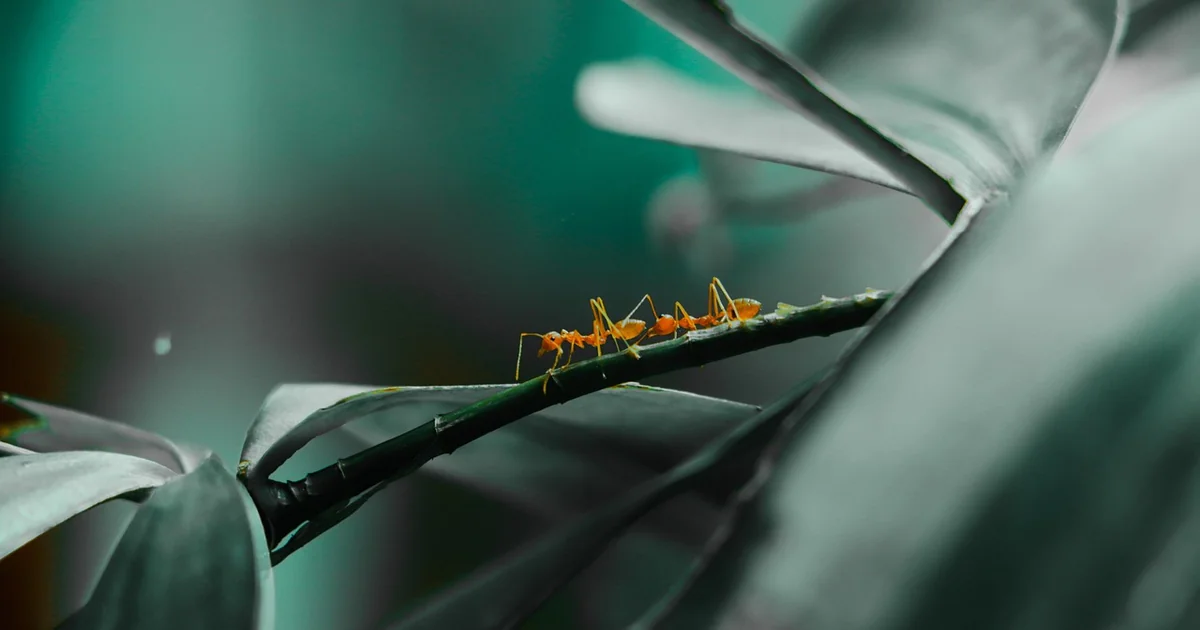
Ants are active from March through October in most regions. They enter homes searching for three things: food, water, and shelter. Small cracks and crevices around foundations, walls, windows, and doors serve as highways. Once a single scout finds a crumb or a spill, it leaves a chemical pheromone trail. Other workers follow this invisible path. Before long, a colony has a reliable food source inside your home. Knowing this behavior helps you target the root cause instead of just killing visible ants.
Seven Proven Strategies to Eliminate Ants
1. Use Ant Baits to Destroy the Colony
Ant baits are a clever form of pest control. Worker ants find the bait, which is a mix of food and poison, and carry it back to the nest. They share it with other ants, including the queen. This approach kills the entire colony at its source. Commercial baits are widely available in stores. You can also make a DIY version using borax. Mix three-quarters of a teaspoon of borax with one-quarter cup of granulated sugar. Place small amounts of this mixture near ant trails. Keep the bait away from children and pets. Avoid using spray pesticides at the same time. Sprays only kill a few workers and can scare the colony away from the bait. Baits are the most reliable way to get rid of ants for good.
2. Apply Natural Deterrents to Disrupt Trails
If you prefer non-toxic methods, natural deterrents can work well. Ants rely on pheromone trails to navigate. Strong odors confuse these chemical signals. Mix equal parts distilled white vinegar and water in a spray bottle. Apply this solution along ant paths and around entry points. Reapply every few days, especially after cleaning or rainfall. Other effective deterrents include powdered cinnamon, cayenne pepper, cloves, and used coffee grounds. These substances do not kill ants, but they can redirect them away from your home. Citrus rinds are another option. They contain an acidic oil called D-limonene, which is toxic to ants. Place a few citrus peels with a pinch of sugar near suspected entry points. Remember that natural methods require consistent reapplication to remain effective.
3. Use Outdoor Insecticide on Identified Nests
If you can locate the outdoor nest where ants are originating, treat it directly. Look for mounds in soil, under mulch, or along sidewalks. Use an insecticide spray specifically labeled for outdoor ant control. Follow all instructions on the label carefully. Drench the nest thoroughly to reach the queen and larvae. This method stops the colony at its source. Choose a selective pesticide that targets only ants when possible. General-purpose sprays can kill beneficial insects such as honeybees and predatory beetles. By being precise with your application, you protect the surrounding ecosystem while solving your ant problem.
4. Call Professional Pest Control for Stubborn Infestations
Sometimes home remedies and store-bought products are not enough. Large colonies or species like carpenter ants that nest inside walls require expert treatment. A licensed exterminator can inspect your property, identify hidden nests, and apply professional-grade baits or wood treatments. They also have access to products that are not available to the general public. If you have tried multiple methods without success, do not hesitate to call a professional. The cost is a small price for long-term peace of mind and protection of your home’s structure.
5. Seal Cracks and Crevices Around Your Home
Ants can enter through gaps as small as one-sixteenth of an inch. Inspect your foundation, walls, window frames, and door thresholds regularly. Seal any cracks with high-quality caulk or expansion foam. Pay special attention to areas where utility lines, cables, and pipes enter the home. Use weatherstripping around doors and windows to create a tight seal. Check for new gaps after seasonal changes or extreme weather. This simple but thorough step blocks the most common ant highways. Combined with other methods, it helps you get rid of ants and keep them out permanently.
6. Modify Landscaping to Remove Ant Bridges
Ants often use vegetation as bridges to reach your home. Trim shrubs, bushes, and tree branches so they stand at least three feet away from the exterior walls. Remove leaf litter, woodpiles, and mulch that touch the foundation. Keep grass mowed short. This reduces shelter and food sources near your home. Also, repair any leaks from outdoor faucets, hoses, or irrigation systems. Ants seek out moisture constantly. By eliminating damp areas, you make your property far less attractive to foraging colonies.
7. Maintain a Clean and Ant-Proof Kitchen
The kitchen is the primary target for most indoor ants. They are drawn to sugar, grease, and protein crumbs. Store all food in airtight containers made of glass or plastic. Wipe down countertops, tables, and stovetops after every meal. Sweep and mop floors daily, especially under appliances and cabinets. Take out the trash regularly and keep bins sealed. Do not leave pet food or water bowls out overnight. Rinse recyclable containers before placing them in the bin. Even a single crumb can attract a scout ant. A consistently clean kitchen removes the reason for ants to enter. This habit, combined with other prevention measures, ensures they stay away.
Identifying Common Ants and Their Behavior
Not all ants are the same. Knowing which type has invaded your home helps you choose the most effective method.
Common Indoor Ants
Pavement ants, odorous house ants, and pharaoh ants are the species most frequently found inside homes. They are dark brown, black, or light yellowish-brown in color. These ants are small and do not bite. They scavenge for sweet and greasy foods. Baits work especially well for these types. They are annoying but generally harmless to the structure of your home.
You may also enjoy reading: 7 DIY Solar Light Chandelier Hacks You Need.
Carpenter Ants
Carpenter ants are larger, reaching up to five-eighths of an inch in length. They are reddish-orange to black and may have wings. Unlike termites, they do not eat wood. Instead, they burrow through it to create galleries for nesting. This can cause significant structural damage over time. A clear sign of a carpenter ant infestation is the presence of wood dust or debris near windows, doors, or the foundation. If you suspect carpenter ants, contact a professional exterminator immediately. Their nests are often hidden inside walls or hollow spaces.
How to Distinguish Ants from Termites
Termites are sometimes mistaken for ants. Termites have straight antennae, a thick waist, and wings of equal length. Ants have bent antennae, a narrow waist, and front wings that are longer than their rear wings. Termites can cause extensive structural damage and require professional treatment. Correct identification ensures you take the right steps to protect your home.
Frequently Asked Questions About Ant Infestations
Why am I suddenly getting ants in my house?
Ant invasions often happen suddenly. Seasonal changes like spring rains or autumn cooling drive ants indoors. They are also attracted to new food sources, such as a forgotten snack or a leaky pipe. A single scout discovers the resource and leaves a pheromone trail. Within hours, a colony follows. This is why a problem can appear overnight.
How do I find out where ants are coming from?
Follow the ant trail back to its source. Look closely at window sills, baseboards, and the edges of flooring. Check gaps around pipes and electrical outlets. You can also place a small drop of honey or jam near a suspected entry point and watch where the ants go. The trail will lead you to the crack or crevice they are using.
Will ants go away on their own?
No, ants will not disappear without intervention. They are persistent and will continue to forage as long as there is food or moisture. Killing only the visible workers does not solve the problem. More ants will replace them. You must target the colony itself to achieve lasting results. Without action, the infestation usually grows.
What smells deter ants?
Strong scents disrupt ant pheromone trails. Vinegar, peppermint oil, tea tree oil, eucalyptus oil, cinnamon, cayenne pepper, and coffee grounds are known deterrents. These substances do not kill ants but can discourage them from following established paths. Reapply them frequently as the odors fade. Diatomaceous earth is another natural option. This fine powder dehydrates ants and damages their exoskeletons. Use it in dry areas away from moisture.
Using a combination of these approaches will help you get rid of ants effectively. Start with baiting to eliminate the colony. Reinforce your efforts with prevention techniques like sealing gaps, modifying landscaping, and maintaining cleanliness. Ants are determined, but with consistent action, you can reclaim your space and keep them away for good.