A sudden swarm of large winged insects inside your home can be unsettling. If those insects have black bodies, reddish legs, and bent antennae, you might be looking at winged carpenter ants. Proper identification of winged carpenter ants is the first step toward protecting your home’s structural integrity. These reproductive adults chew through wood to create nesting galleries, and they can cause significant damage before you even notice their presence. In this guide, you will learn five practical steps to identify and control these pests before they turn your walls into a costly repair project.
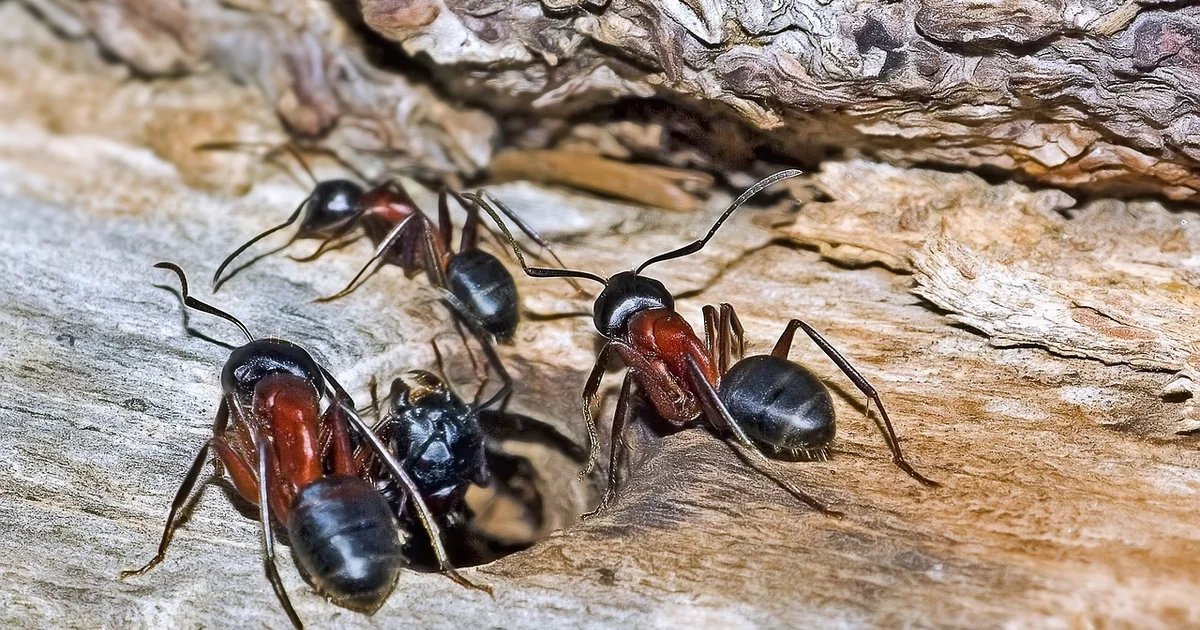
Step 1: Confirm You Are Dealing With Winged Carpenter Ants
Before you take any action, you must be certain that the insects in your home are indeed winged carpenter ants and not termites or other flying insects. Misidentification can lead to wasted effort and continued damage. Carpenter ants are among the largest ant species in the United States. Workers measure between 1/4 and 5/8 of an inch, while queens can be two to three times larger. Winged carpenter ants are the reproductive members of the colony. They emerge in spring or early summer to mate and start new colonies.
Key Physical Features
Look for these traits to confirm winged carpenter ants. They have two sets of wings. The front pair is noticeably longer than the rear pair. This wing size difference is a critical clue — termites have two pairs of wings that are equal in length. Carpenter ant wings have a slight yellow tint, whereas termite wings are white and often larger. The antennae of carpenter ants are bent or elbowed. Termite antennae are straight and bead-like. The body of a carpenter ant has a distinct pinched waist, while termites have a thick, uniform waist with no noticeable segmentation. Color varies among species, but most winged carpenter ants are black or dark brown with reddish-brown legs and thorax.
Behavioral Differences
Winged carpenter ants can be active during the day or night, especially if they are indoors and near lights. Termites avoid light and remain hidden inside wood or soil. Carpenter ants do not eat wood — they chew it with their powerful mandibles to create tunnels and chambers. They feed on proteins and sugars, such as meat, sweets, and honeydew from aphids. Termites actually digest the wood cellulose. Understanding these distinctions ensures you target the right pest.
Step 2: Locate the Nest and Entry Points
Once you have identified winged carpenter ants, your next task is finding where they are coming from. These ants often nest outdoors in decaying trees, stumps, firewood, or landscaping timbers. Indoors, they prefer damp, decaying wood near water sources like leaky pipes, roof leaks, or poorly ventilated attics. They create satellite colonies away from the main nest, so you may find ants in multiple areas of your home.
Common Signs of Infestation
- Frass piles: Carpenter ants push out sawdust-like wood shavings mixed with insect body parts and debris. Look for small piles under baseboards, near windows, or in crawl spaces.
- Crackling sounds: If you press your ear against a wall and hear a faint rustling or crackling noise, it could be ants chewing through wood deeper inside the structure.
- Discarded wings: After mating, winged carpenter ants shed their wings. Finding clusters of wings near windowsills, doors, or light fixtures indicates a recent swarm.
- Trail of large ants: Watch for worker ants traveling in lines, especially at night. They follow scent trails between the nest and food sources.
Inspect areas with moisture problems first. Bathrooms, kitchens, laundry rooms, and basements are prime real estate for carpenter ant colonies. Use a flashlight and a screwdriver to probe suspicious wood. If the wood feels soft or crumbles easily, you have found a potential nesting site.
Step 3: Eliminate Moisture and Remove Damaged Wood
Carpenter ants thrive in moist environments. Without damp wood, they will have a much harder time establishing a foothold. The National Pest Management Association estimates that wood-destroying insects cause over $1 billion in property damage annually in the United States, with carpenter ants ranking as the second most destructive after termites. Addressing moisture is a non-negotiable step in control.
Fix Leaks and Improve Ventilation
Repair any leaking pipes, faucets, or roof shingles. Ensure gutters and downspouts direct water away from your foundation. Increase airflow in crawl spaces, attics, and basements by installing vents or using a dehumidifier. Keep firewood piles at least 20 feet from your home and elevated off the ground. Trim tree branches that touch your roof or siding, as ants use them as bridges.
Replace Compromised Wood
Any wood that is already damaged by carpenter ants or moisture must be replaced. Cut away and discard rotted lumber, window frames, door jambs, and siding. Use pressure-treated or naturally rot-resistant wood for repairs. This not only removes the ants’ habitat but also prevents future infestations. After replacement, seal gaps and cracks around windows, doors, and utility entries with silicone caulk or expandable foam.
Step 4: Apply Targeted Treatments
With the nest area exposed or suspected, you can apply control methods. The most effective approach combines non-chemical prevention with strategic insecticide use. Always follow label instructions for any product you apply. For severe infestations, a licensed pest control professional may be necessary.
Non-Chemical Options
Diatomaceous earth (food grade) can be dusted into wall voids and cracks. It dehydrates and kills ants within 48 hours. Peppermint oil mixed with water and sprayed along ant trails can repel them, though it rarely eliminates the colony. Vacuuming visible ants and discarding the bag reduces the population temporarily. These methods work best when combined with nest removal.
You may also enjoy reading: 6 Tips for Reducing Neighborhood Noise in Your Home and Backyard, According to Design and….
Baiting Strategies
Gel baits and bait stations containing slow-acting poisons are particularly effective against carpenter ants. Workers carry the poison back to the nest, where it kills the queen and brood. Place baits near active trails but away from areas where children or pets can reach them. Avoid using spray insecticides near baits, as the spray can contaminate the bait and make it unattractive. Patience is key — baits can take several weeks to wipe out the colony.
When to Call a Professional
If you cannot locate the nest, if the infestation is widespread, or if you have tried DIY methods without success, hire a pest control expert. Professionals use tools like moisture meters and borescopes to find hidden nests. They can apply dust formulations directly into wall voids and treat the exterior perimeter of your home. A reputable exterminator will also provide guidance on long-term prevention.
Step 5: Prevent Future Infestations
After eliminating the current colony, take proactive steps to keep winged carpenter ants from returning. Prevention is far less expensive than repairs. Ants are persistent, but a dry, well-sealed home with no food sources is far less inviting.
Seal Entry Points
Inspect your home’s exterior thoroughly. Seal cracks in the foundation, gaps around utility lines, and openings where siding meets the ground. Use copper mesh or steel wool in larger holes, then seal with caulk. Trim vegetation away from the house so branches do not touch the roof or walls. Mulch should be kept at least 12 inches from the foundation, as ants love moist mulch.
Maintain a Clean Environment
Store food in airtight containers, especially pet food and sugary items. Wipe down counters and sweep floors regularly to remove crumbs. Take out trash frequently and keep bins covered. Fix any dripping faucets or condensation issues. In the yard, remove dead trees, stumps, and rotting firewood. Keep gutters clean to prevent water buildup near the structure.
Schedule Annual Inspections
Even after you have resolved the problem, consider an annual pest inspection. A trained eye can catch early signs of ant activity before they develop into a full-blown infestation. This is especially important if you live in a forested area or an older home with existing wood damage. A small investment in prevention now can save thousands of dollars in structural repairs later.
Identifying winged carpenter ants early and following these five steps will protect your home from costly damage. Act quickly when you see wings or frass, and remember that moisture control is your strongest defense. With consistent effort, your home can remain safe from these persistent wood chewers.