Why Aphids Target Your Garden and How Plants Can Help
Every gardener knows the frustration of discovering tiny, sap-sucking insects clustered on tender new growth. Aphids seem to appear overnight, turning lush leaves into curled, yellowed messes. These small pests are drawn to nitrogen-rich plants like broccoli, cabbage, and peppers, making vegetable patches a prime target. The good news is that nature provides its own defense system. By choosing the right greenery, you can create a living barrier that keeps these invaders at bay without resorting to harsh chemicals.
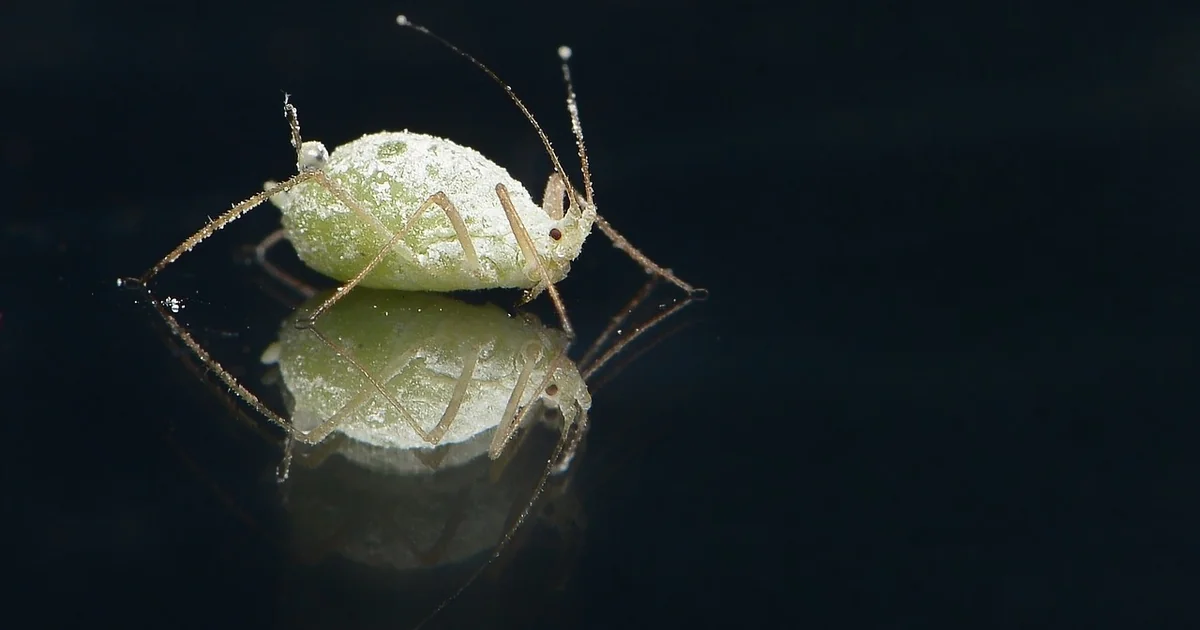
Companion planting is a time-tested strategy that uses specific plants to confuse, repel, or even attract predators of unwanted insects. The plants that repel aphids work through scent, chemical compounds, or by inviting beneficial bugs that feast on aphids. Below, garden professionals share seven proven choices that will help you maintain a thriving, aphid-free garden all summer long.
1. Marigolds: The Scent Shield
Marigolds are more than just cheerful orange and yellow blooms. According to Rafia Khan, an entomologist at Texas A&M AgriLife, these container-friendly flowers release a strong fragrance that masks the scent of nearby host plants. Aphids rely on olfactory cues to locate their favorite crops, and marigolds throw off their navigation completely.
Khan explains that marigolds also attract beneficial insects like lady beetles and lacewings. These predatory insects consider aphids a delicious meal. “Marigolds are specifically effective to manage aphids near the host plants of cabbage and roses,” he notes. This double-action approach—masking scents while luring predators—makes marigolds a powerhouse among plants that repel aphids.
To grow marigolds successfully, provide consistent watering and at least six hours of direct sunlight daily. They adapt well to USDA zones 2a through 11b, making them accessible to nearly every gardener. Plant them in borders around your vegetable beds or tuck them into containers near vulnerable crops.
2. Chives: Pungent Protection from the Onion Family
Like marigolds, chives produce an unmistakable onion scent that aphids find overwhelming. Khan points out that the volatile sulfur compounds in chives act as a natural insecticide while also confusing aphids as they search for suitable hosts. These compounds disrupt the insects’ ability to zero in on their preferred plants.
Interplanting chives with roses, lettuce, or carrots can significantly reduce aphid pressure. As an added bonus, you get an edible herb that adds mild onion flavor to salads, soups, and dips. Chives thrive in well-draining soil or containers, prefer USDA zones 3 through 9, and need six to eight hours of direct sunlight each day. Keep the soil moist but not waterlogged for best results.
For maximum effectiveness among plants that repel aphids, plant chives in clusters near the base of susceptible plants. The closer the scent source, the stronger the deterrent effect.
3. Lavender: Fragrant Beauty That Fights Pests
Lavender brings elegance and a calming aroma to any garden, but its benefits extend far beyond aesthetics. Ward Dilmore, founder and head landscape designer at Petrus, a luxury estate landscaping company in Menlo Park, California, confirms that lavender keeps aphids and other insects away. “This plant can also attract ladybugs and butterflies to your garden as an added bonus,” he says.
The essential oils in lavender confuse pests and make the area less inviting for aphid colonization. Ladybugs, which are natural aphid predators, find lavender attractive, creating a win-win scenario. You can grow lavender in containers and bring it indoors for culinary or decorative uses.
Lavender performs best in USDA zones 5 through 9. Provide six to eight hours of direct sunlight daily and keep the soil moist but not soggy. Well-draining soil is critical, as lavender roots rot easily in standing water. Position lavender near roses or vegetable beds to maximize its repellent properties.
4. Dill: Feathery Foliage with a Purpose
Dill offers a unique combination of pest repellent and predator attractant. Dilmore notes that dill’s feathery foliage and distinct scent repel aphids while drawing in hoverflies and lacewings. “Attracting these beneficial insects is the best natural way to control the aphid population,” he explains.
Hoverfly larvae are voracious aphid eaters, consuming dozens of pests daily. Lacewings, sometimes called aphid lions, are equally effective. By planting dill, you create a self-regulating ecosystem where predators keep pest numbers in check naturally.
Khan recommends using dill for companion planting near leafy greens or cucumbers. Give each plant enough space to prevent overcrowding, as good air circulation reduces disease risk. Dill grows easily in containers and thrives in zones 2 through 11. It needs at least six to eight hours of direct sunlight and consistently moist soil. Plus, you get fresh dill for pickles, fish dishes, and salads.
5. Mint: Strong Aroma That Confuses Pests
Mint’s powerful, signature scent works wonders against aphids. Khan explains that the essential oils released from mint leaves confuse insects’ olfactory senses, making it difficult for them to locate host plants. This disruption is key among plants that repel aphids because it breaks the pest’s ability to find food sources.
However, mint comes with a warning. It spreads aggressively through underground runners and can quickly take over garden beds if left unchecked. “Mint should be planted in containers or controlled areas to prevent overgrowth,” Khan advises. Use large pots or buried barriers to keep mint contained while still benefiting from its pest-deterring properties.
Mint grows well in partial to full sun and prefers moist soil. It adapts to a wide range of USDA zones, typically zones 3 through 11. Position containers of mint near vegetable patches or entry points where aphids might invade. The strong aroma creates a protective perimeter around your more vulnerable plants.
6. Catnip: Root Beer Scent That Aphids Hate
Catnip produces a distinctive root beer-like aroma that humans often find pleasant but aphids cannot tolerate. This member of the mint family shares many of the same pest-repelling qualities without quite the same aggressive spread. Catnip works exceptionally well when paired with squash or collard greens, two plants that aphids frequently target.
One potential drawback is that catnip attracts cats, which may roll in or trample nearby plants. If you have outdoor cats in your neighborhood, consider planting catnip in a slightly separate area or using protective cages around delicate seedlings. Despite this quirk, catnip remains one of the most effective plants that repel aphids.
You may also enjoy reading: 5 Perennials to Divide in May for Stunning Blooms.
Catnip grows best in full sun to partial shade with well-draining soil. It thrives in USDA zones 3 through 9 and requires minimal maintenance once established. The leaves can be harvested and dried for tea or cat toys, adding practical value to its pest control role.
7. Garlic: Pungent Powerhouse Against Aphids
Garlic’s strong, pungent aroma is perhaps the most well-known natural insect repellent in the garden. Khan confirms that garlic is excellent for repelling aphids, and its effects extend to other common pests like spider mites and cabbage loopers. The sulfur compounds in garlic create an environment that aphids find inhospitable.
Plant garlic cloves in fall for a spring harvest, or grow garlic as a companion plant throughout the growing season. Interplant garlic with roses, tomatoes, peppers, and leafy greens to create a protective barrier. The scent lingers in the soil and air, providing ongoing protection.
Garlic requires full sun and well-draining soil. It grows best in USDA zones 3 through 9. Space cloves about six inches apart and water regularly but avoid overwatering, which can cause rot. Harvest garlic when the tops begin to yellow and dry. Even after harvest, garlic’s reputation as one of the most reliable plants that repel aphids continues through stored bulbs that can be used to make homemade pest sprays.
How to Combine These Plants for Maximum Effect
Planting individual species helps, but strategic combinations amplify results. Create a diverse garden ecosystem by mixing several of these plants that repel aphids. For example, surround your rose bushes with marigolds and chives. Place containers of mint and lavender near vegetable beds. Interplant dill and garlic among your leafy greens and brassicas.
Khan emphasizes that variety matters. “A diverse planting scheme confuses pests more effectively than a monoculture,” he says. Different plants release different chemical signals, making it harder for aphids to adapt. Beneficial insects also prefer diverse habitats with multiple nectar sources and shelter options.
Consider timing as well. Plant fast-growing options like dill and mint early in the season to establish protection before aphid populations explode. Add marigolds and lavender later as the weather warms. Garlic planted in fall will be ready to repel pests the following spring, giving you year-round coverage.
Common Mistakes When Using Repellent Plants
Even experienced gardeners sometimes make errors that reduce effectiveness. One frequent mistake is planting repellent species too far from vulnerable crops. For the scent barrier to work, the plants that repel aphids must be close enough that their aroma surrounds the protected plants. Aim for a distance of no more than two to three feet.
Another error is neglecting to water and care for the repellent plants themselves. Stressed plants produce fewer essential oils and weaker scents. Keep your marigolds, lavender, and mint healthy with proper sunlight, water, and soil conditions. A thriving repellent plant works far better than a struggling one.
Overcrowding is also problematic. While you want dense coverage, plants need adequate air circulation to prevent fungal diseases. Follow spacing recommendations for each species and prune when necessary. Healthy plants emit stronger chemical signals that aphids find more confusing.
When to Expect Results
Patience is essential when relying on natural methods. Unlike chemical sprays that kill on contact, companion planting works gradually. You may notice fewer aphids within a few weeks of establishing your repellent garden. Full protection often develops over a full growing season as plants mature and beneficial insect populations build.
Monitor your garden regularly. Check the undersides of leaves and new growth for early signs of aphid activity. If you spot a few aphids, do not panic. A small population can actually benefit your garden by providing food for predatory insects. The goal is balance, not complete elimination.
In cases of severe infestation, supplement your plant-based strategy with a strong spray of water from a garden hose. This knocks aphids off plants and disrupts their feeding. Combine this with your companion planting for a comprehensive, chemical-free approach.