Most homeowners spend weeks staging living rooms, decluttering closets, and deep-cleaning carpets before listing their property. Yet many overlook the one area buyers notice first: the outside of the house. A lackluster facade, damaged gutters, or an overgrown yard can quietly erode your home exterior value before a potential buyer even steps through the front door. Understanding which exterior features matter most to appraisers and buyers can help you prioritize repairs and upgrades that actually pay off.
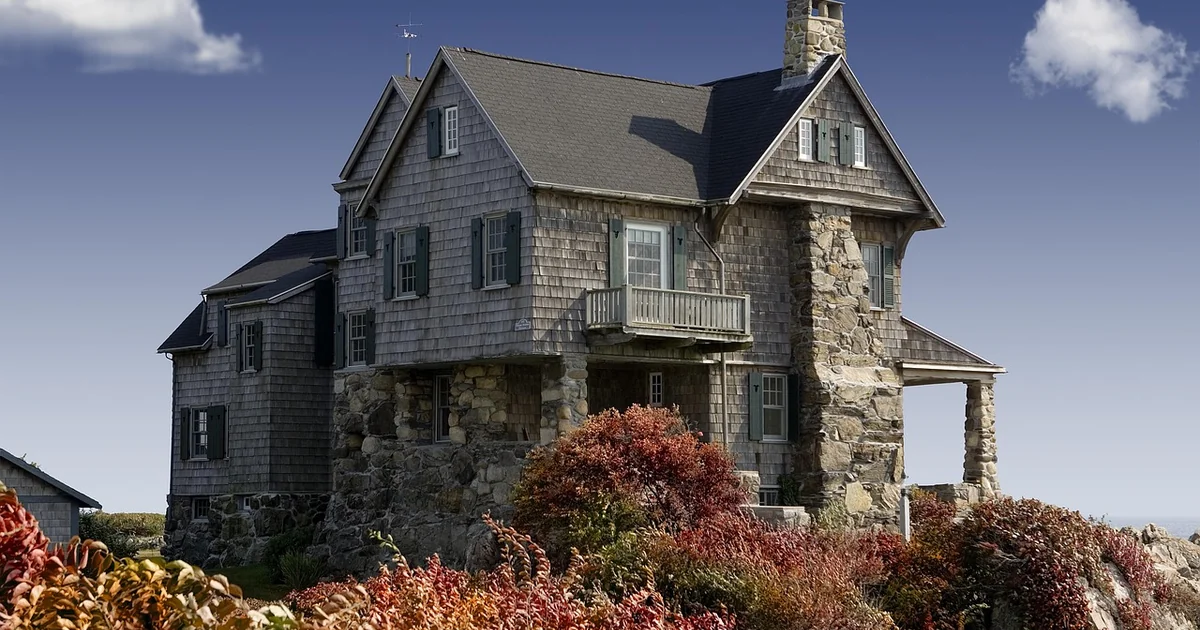
Seven Exterior Flaws That Quietly Reduce Your Home’s Market Value
Real estate professionals agree that first impressions form within seconds. If your home’s exterior signals neglect or high maintenance costs, buyers will mentally discount their offer or walk away entirely. Addressing these seven specific problem areas can protect your home exterior value and help you command a higher selling price.
1. Damaged Roofing and Clogged Gutters
A roof is one of the most expensive components of any home, and visible damage there sends a clear message to buyers: expect costly repairs soon. Drooping gutters, missing shingles, and deteriorated fascia covers are among the top turnoffs reported by real estate agents. Even if the roof itself is structurally sound, grimy buildup or moss growth makes it look neglected.
Water damage from clogged gutters can affect siding, foundations, and interior walls. Buyers know this, and they will factor the perceived repair cost into their offer. Scheduling a professional inspection and cleaning before listing can reveal small issues before they become deal-breakers. Replacing damaged gutter sections and resealing flashing are relatively affordable fixes that reassure buyers about the property’s condition.
Many appraisers note that roof condition is one of the first items they evaluate during a valuation. A roof with less than five years of useful life remaining can reduce the overall appraisal figure. Investing in minor roof repairs or a full replacement if needed typically recovers a significant portion of the cost at resale, according to industry cost-versus-value reports.
2. Neglected Landscaping and Overgrown Greenery
Overgrown lawns, bare patches, weeds pushing through pavement cracks, and fallen leaves covering walkways all signal that the homeowner has not kept up with maintenance. Studies from the housing market indicate that poor landscaping can decrease a property’s perceived value by as much as 30 percent. That is a dramatic hit, especially considering how simple many landscaping fixes are.
Trimming overgrown shrubs does more than improve appearance. Cutting back bushes near windows can increase natural light entering the home, which is a feature buyers consistently rank among their top desires. Planting seasonal flowers near the entrance, adding a 2-inch layer of fresh mulch around trees and flower beds, and edging the lawn along driveways and pathways create a tidy, welcoming look with minimal expense.
Mowing the lawn weekly, blowing leaves off hard surfaces, and removing dead plants are tasks any seller can handle personally. Even if you cannot afford major hardscaping or new plants, cleaning up what already exists makes a strong statement. Curb appeal directly influences home exterior value because it shapes a buyer’s emotional response before they even enter the house.
3. Worn-Down Windows and Frames
Windows are a focal point on any facade. Cracked panes, torn screens, rotting wooden frames, or cloudy sealed units are immediate red flags. Buyers interpret damaged windows as a sign that the home has not been cared for, and they worry about drafts, higher energy bills, and the expense of replacement.
Cleaning windows inside and out before showings is the simplest step. Replace any torn or missing screens, and caulk gaps where air might leak. For wooden window frames, repainting every five years with a high-quality, sun-resistant acrylic or oil-based paint prevents rot and keeps the wood looking fresh. Vinyl frames should be checked for cracks or warping and cleaned thoroughly.
If windows are single-pane or visibly outdated, buyers may assume the home is less energy-efficient. Even if the windows function properly, worn frames suggest otherwise. Replacing a few obviously damaged windows can remove that doubt and protect your home exterior value by signaling that the property has been maintained.
4. Weathered and Faded Paint
Chipped, peeling, or faded paint on siding, trim, shutters, or the front door makes even a well-constructed home look tired. Paint deterioration exposes wood and other materials to moisture, which can lead to rot and insect damage over time. Buyers see faded paint and think about the work they will need to do soon after moving in.
Fortunately, paint is one of the most cost-effective exterior upgrades available. A fresh coat on the front door, shutters, and window trim can transform the entire look of a home in a weekend. Real estate professionals recommend using timeless, neutral hues such as warm whites, soft grays, muted blues, or sage greens. These colors appeal to the widest range of buyers and tend to produce the best return on investment at resale.
Pressure-washing the siding before painting removes dirt, mildew, and loose paint, ensuring good adhesion. Pay attention to the garage door as well, since it occupies a large visual area on many homes. A unified, fresh color scheme makes the house look newer and better cared for, directly supporting a higher perceived market value.
5. Outdated Lighting Fixtures
Outdoor lights are functional, but they also draw the eye. Old, tarnished, broken, or mismatched fixtures detract from the overall impression of the home. Buyers notice fixtures near the front door, along the driveway, on the porch, and attached to the garage. If these look dated or damaged, the house can feel neglected even if the interior is pristine.
You may also enjoy reading: 7 Roll-Out Garden Paths: Easiest Budget Upgrade.
Upgrading to modern, energy-efficient options such as low-voltage LED or solar-powered lights makes a considerable difference. New fixtures cost relatively little and are simple to install. Choose styles that match the architecture of the home, such as lantern-style lights for traditional houses or sleek geometric forms for contemporary designs.
Well-placed lighting also improves safety and highlights landscaping features during evening showings. Proper illumination of walkways, steps, and the front entrance reassures buyers and makes the property feel more inviting. This small investment can raise home exterior value by improving both aesthetics and perceived security.
6. Rusty Hardware and Forgotten Small Details
The little things matter more than most sellers realize. A rusted mailbox, squeaky gate hinges, a loose handrail, a faded house number plaque, or a cracked doorbell button all contribute to a cumulative impression of neglect. Buyers who notice these small signs of wear may assume that bigger systems, such as the roof, HVAC, or plumbing, have also been poorly maintained.
Replacing a mailbox costs under $50 and takes an hour. Installing new house numbers in a clean, visible font costs even less. Lubricating hinges, tightening loose screws on gates, and replacing a worn welcome mat are all quick, inexpensive tasks that improve the entry experience.
These details also show that you have taken pride in the property. When buyers see that the owner cared enough to maintain small elements, they feel more confident about the condition of larger systems. Protecting home exterior value sometimes means paying attention to what others might overlook, because buyers certainly do not miss them.
7. Painted Brickwork That Hides Natural Character
Brick is a timeless, durable material that many buyers associate with quality and low maintenance. However, if the original brick has been painted over, some buyers view this negatively. Painted brick can feel like a loss of character, and once brick is painted, stripping it back to its original state is extremely difficult and expensive.
If your home has painted brick that looks faded or patchy, repainting it in a clean, neutral tone can help, but it may not fully satisfy buyers who prefer natural brick. In some markets, painted brick is considered trendy rather than timeless, and it can limit the pool of interested buyers.
Before listing, consider whether the paint is in good condition and whether the color complements the home’s style. If the brick is unpainted and in good shape, leave it exposed. Highlight it during showings as a low-maintenance feature. If you must paint old brick, choose a breathable masonry paint and a classic color that will not date quickly. Understanding how buyers in your area feel about painted brick can help you avoid an unnecessary reduction in home exterior value.
Taking the time to address each of these seven areas before listing your home can prevent buyers from mentally discounting the price. Small, strategic improvements often yield a strong return by shaping a positive first impression and signaling that the property has been well maintained from top to bottom.