You step outside and spot small mounds of soil dotting your lawn. A few bees hover inches above the grass, disappearing into tiny holes. This scenario puzzles many homeowners every spring. These visitors are likely ground bees, and they play an important role in your local ecosystem. At the same time, their presence can make simple yard activities feel risky. Understanding the safest route for ground bee removal allows you to enjoy your outdoor space while respecting these beneficial insects.
Identifying the Culprit: Ground Bees vs. Other Stingers
Before taking any action, you need to know exactly what type of insect has moved in. Many people confuse ground bees with yellow jackets or other aggressive wasps. The two creatures behave very differently. Mistaking one for the other can lead to unnecessary panic or improper treatment.
Spotting the Signature Dirt Mounds
Ground bees dig tunnels to build their nests. As they excavate, they push soil out of the entrance. This creates a small pile that looks like a tiny volcano. These mounds are often the first clue you have ground bees rather than a more dangerous species. Yellow jackets typically nest in abandoned rodent holes or wall cavities, not in freshly dug dirt piles.
Watching Flight Patterns
You are probably used to seeing bees flying high around flowers and trees. Ground bees behave differently. They fly low to the ground, often circling the entrance to their nest. If you see bees zipping just inches above the grass, you are likely watching ground bees. This low flight path is a reliable indicator of their nesting activity.
Distinguishing Ground Bees from Aggressive Wasps
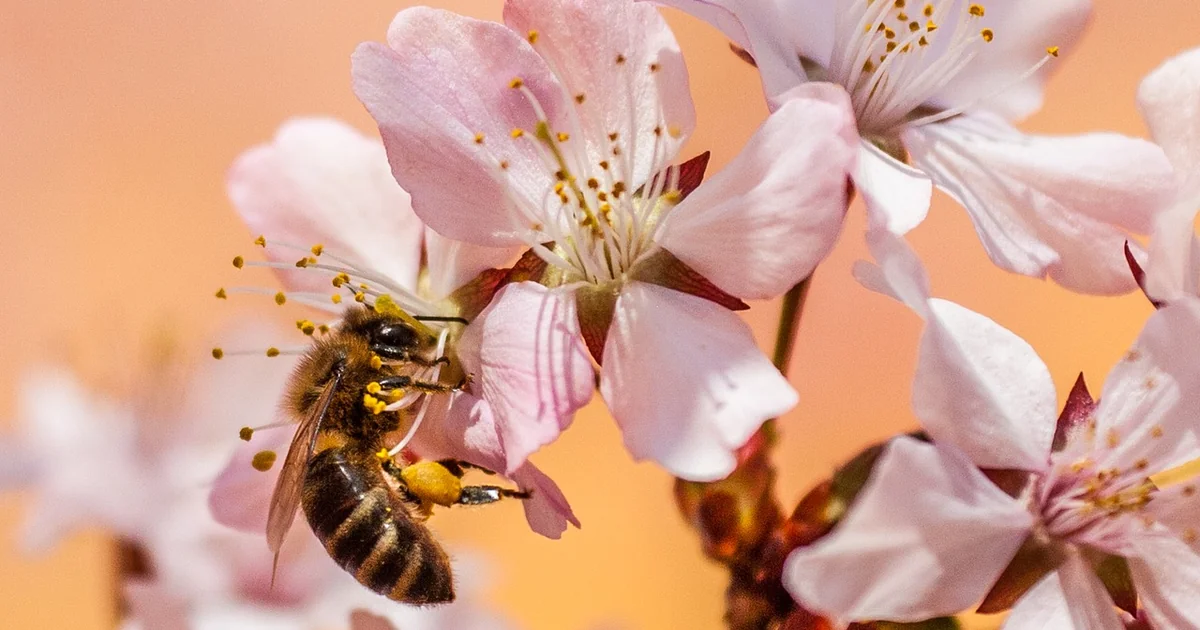
Ground bees have fuzzy, sturdy bodies. They are solitary insects, meaning each female digs her own nest. They do not have a colony to defend. This makes them very docile. Wasps, on the other hand, have smooth bodies with a distinct narrow waist. They are social creatures that will aggressively defend their nest. About 70 percent of the 20,000 known bee species are solitary ground-nesters. Recognizing this difference changes how you approach the situation. You are dealing with a temporary visitor, not a hostile invader.
Safety First: Preparing Your Yard and Yourself
Even though ground bees are not aggressive, they can still sting if provoked. A curious pet or a bare foot stepping directly on a nest entrance can cause a defensive reaction. Taking a few safety precautions protects your family while you manage the situation.
Dress for the Occasion
Never walk through an area with active ground bee nests without shoes. Sandals leave your feet exposed. Wear closed-toe shoes or boots whenever you are near the nesting sites. Long pants and socks add another layer of protection for your lower body. This simple step eliminates the most common cause of stings.
Mapping the Nesting Area
Walk your yard carefully during the middle of the day when bees are most active. Mark each hole you see with a small flag or a stick. Knowing exactly where the nests are located helps you avoid accidental contact. It also gives you a clear target for any removal methods you choose to apply later.
Timing Your Activities
Bees are most active during the warmest part of the day. They return to their nests in the evening. If you need to work near the nests, schedule your tasks for dusk or early morning. The bees will be inside their tunnels and less likely to interact with you.
Step 1: Wafting Natural Deterrents
Many homeowners prefer to start with gentle methods that encourage bees to leave on their own. Ground bees have sensitive olfactory systems. Strong smells can disrupt their navigation and make an area feel unsafe for nesting. This approach avoids harming the bees while solving your problem.
The Power of Cinnamon
Cinnamon is a well-known natural repellent for many insects. The compound cinnamaldehyde creates an overwhelming scent that ground bees dislike. Sprinkle a generous layer of ground cinnamon directly into the nest entrance and around the dirt mound. Reapply the cinnamon after rain or heavy dew. Most bees will abandon the nest within a few days to find a more pleasant location.
Other Kitchen Remedies
Garlic powder and cayenne pepper work in a similar way to cinnamon. You can mix these spices with water to create a spray. Spray the mixture around the nest entrances and over the dirt piles. Avoid spraying the mixture directly on the bees themselves if you want to avoid harming them. The goal is to make the area smell unappealing to their sensitive antennae.
Step 2: Making Your Yard Less Hospitable
Ground bees choose nesting sites based on soil conditions. They look for dry, bare, loose soil that is easy to dig through. Changing these conditions is the most effective long-term strategy for ground bee removal. If the soil becomes difficult to dig, the bees will move elsewhere.
Reseed Bare Patches
Bare patches of soil are open invitations for ground bees. Grass roots bind the soil together and make digging much harder. Walk your lawn regularly and note any thin or bare spots. Apply grass seed to these areas in early spring or early fall. A thick, healthy lawn is one of the best defenses against future nesting.
Maintain Proper Irrigation
Dry soil is easy to excavate. Wet soil is heavy and clumpy. Ground bees prefer the former. Keep your lawn properly watered during the spring nesting season. Aim for about 1 to 1.5 inches of water per week, including rainfall. Moist soil discourages bees from starting new tunnels. It also encourages strong grass growth, which further blocks their access.
Apply Thick Mulch
Garden beds offer loose, well-worked soil that ground bees love. A layer of mulch solves this problem. Apply a thick layer of organic mulch, such as wood chips or bark, to a depth of 3 to 4 inches. This layer physically blocks the bees from reaching the soil surface. It also retains moisture, which makes the soil less appealing for digging.
Use Landscape Fabric in Shrub Beds
Shrub beds present a unique challenge because the soil is often left exposed. Laying landscape fabric over the soil creates a durable barrier. Cut small slits in the fabric only where your shrubs are planted. The fabric prevents bees from accessing the soil for nesting while still allowing water to reach the roots. Cover the fabric with a thin layer of decorative stone or mulch for a finished look.
Step 3: Blocking Existing Nest Entrances
If a nest is already active, you can force the bees out by blocking their door. This method works because ground bees are solitary. They do not have a large colony to coordinate a reopening effort. The bees inside will eventually leave to find a new home.
The Flat Stone Method
Locate an active nest entrance at dusk when the bees are inside. Place a heavy, flat object directly over the hole. A paving stone, a large brick, or a ceramic tile works well. The weight of the object prevents the bees from digging back out. The returning bees that were out foraging will find the entrance blocked and move on to a new location. Leave the stone in place for at least one week to ensure the nest is abandoned.
Why Timing Matters
Blocking the entrance during the day traps foraging bees outside. Those bees will linger around the area and become frustrated. Blocking at dusk ensures most of the inhabitants are home. This minimizes the number of bees left wandering your yard. It also prevents the trapped bees from starving and dying underground, which can attract other pests.
Step 4: Targeted Elimination with Boiling Water
Sometimes a persistent infestation requires a stronger intervention. Boiling water is a non-chemical method that directly targets the larvae and adult bees inside the tunnel. This should be considered a last resort, especially if you have rare or solitary bee species in your area. It is the most direct method of physical removal.
When and How to Apply
Boil a large pot of water on your stove. Add about a quarter cup of natural dish soap to the water. The soap is crucial. It breaks the surface tension of the water, allowing it to coat the bees bodies and drown them instantly. Carry the pot carefully to the nest site at dusk. Pour the entire contents directly into the nest entrance. The water will fill the tunnel system and kill the larvae developing below. Repeat this process for every active hole in your yard.
You may also enjoy reading: 5 Must-Know Fiddle Leaf Fig Care Tips in May.
The Role of Soap
Water alone often beads up on the waxy coating of an insect body. This allows the insect to survive short exposure. Soap eliminates this protection. The soapy water penetrates the bees spiracles (breathing tubes) and drowns them quickly. This method is effective, but it also kills the beneficial larvae. Use it only when other non-lethal methods have failed or when the nest is located in a high-traffic area posing a direct risk to your family.
Step 5: Biological Control with Beneficial Nematodes
This method is less known but highly effective for long-term ground bee removal. Beneficial nematodes are microscopic roundworms that occur naturally in soil. Certain species, like Steinernema carpocapsae, are parasitic to ground-dwelling insects. They are completely safe for plants, pets, and earthworms.
How Nematodes Work
You mix the nematodes with water and spray them onto the soil where ground bees are active. The nematodes seek out the bee larvae in their tunnels. They enter the larvae bodies and release bacteria that kill the host. The nematodes then reproduce inside the carcass and release more nematodes to hunt additional pests. This creates a natural cycle that reduces the bee population over several weeks.
Applying Nematodes Correctly
Purchase nematodes from a reputable garden supply store. They are perishable and must be used before their expiration date. Apply them in the evening when the soil is cool and moist. Water the area lightly before and after application to help the nematodes move through the soil. This method prevents future generations of ground bees from maturing without using harsh chemicals.
Step 6: Regular Lawn Maintenance as a Preventive Measure
Prevention is always safer than removal. Making lawn care a consistent part of your routine deters ground bees from ever settling in. A well-maintained lawn is a hostile environment for tunneling insects.
The Aeration Connection
Compacted soil leads to bare patches. Bare patches attract ground bees. Core aeration once a year, typically in the fall, relieves soil compaction. This allows water, air, and nutrients to reach the grass roots. Stronger grass crowds out bare spots and leaves fewer opportunities for bees to dig. Aeration also improves drainage, which keeps the soil surface less appealing for nesting.
Mowing and Thatch Management
Keep your grass at a healthy height of about 3 inches. Taller grass shades the soil, keeping it cooler and damper. These conditions are less attractive to ground bees. Excess thatch (the layer of dead grass between the soil and the living grass) can also create hiding spots. Dethatch your lawn if the layer exceeds half an inch. A clean, thick lawn is your best defense against a ground bee invasion.
Step 7: Knowing When to Call a Professional
There are situations where DIY methods are not enough. Large infestations covering hundreds of square feet can be overwhelming. A licensed pest control professional has access to specialized tools and products that are not available to the general public. Calling an expert is a smart investment in your safety and your property.
Complexities of Large Infestations
If you have more than a dozen nests in your yard, treating each one individually becomes impractical. Professionals use dust formulations like diatomaceous earth or boric acid. They inject these dusts directly into the burrows using specialized applicators. The dust clings to the bees bodies and is carried deeper into the tunnel. This method ensures complete elimination of the colony.
Health and Safety Concerns
If anyone in your household has a known allergy to bee stings, do not attempt removal yourself. The risk of an anaphylactic reaction is too high. A professional can assess the situation, identify the exact species, and implement a targeted removal plan. They also carry insurance and know how to handle the situation without escalating the bees defensive behavior. When safety is a concern, hiring an expert is the only logical choice.
Frequently Asked Questions About Ground Bees
How can I tell if the bees in my yard are ground bees or something more aggressive like yellow jackets?
Look at the body and the nest. Ground bees are fuzzy and robust. Yellow jackets are smooth, shiny, and have a narrow waist. Ground bees create small dirt mounds at the entrance of their holes. Yellow jackets typically use existing holes or cavities and do not create fresh dirt piles. Ground bees fly low and are docile. Yellow jackets fly in a direct path and will aggressively approach anyone near their nest.
Will ground bees actually damage my lawn or just create temporary dirt piles?
Ground bees cause minimal damage to healthy lawns. Their digging actually aerates the soil, which can be beneficial. The dirt piles are temporary and will wash away with rain or settle over time. The main concern is aesthetic or the risk of stepping on a nest. They do not eat grass roots or cause permanent structural damage to the turf.
What natural methods can I use to encourage ground bees to relocate without harming them?
Cinnamon is the most effective natural deterrent. Sprinkle it directly into the holes. Heavy watering also makes the soil too wet for comfortable digging. Blocking the holes with a stone at dusk forces them to find a new home. These methods allow the bees to survive while moving them away from your high-traffic areas.
When is the best time of year to reseed bare patches to prevent ground bees from nesting?
Early spring is the most critical time. Ground bees begin nesting as soon as the soil warms up in March or April. Reseeding bare patches in late winter or very early spring prevents them from choosing your yard. Early fall is a secondary window for reseeding. Avoid leaving bare soil exposed during the active nesting season.
Are ground bees protected or considered beneficial?
Ground bees are highly beneficial pollinators. They are not a protected species in most areas, but conservationists encourage leaving them alone when possible. They are responsible for pollinating many early-blooming plants and crops. If the nest is in a remote part of your yard where it poses no risk, the best approach is to simply leave it undisturbed. They will die off after a few weeks and not return to the same spot next year.