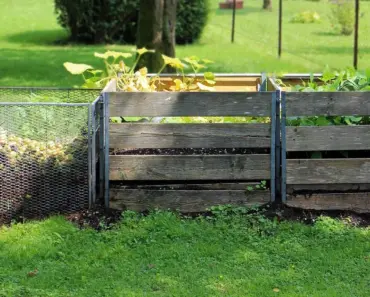
You have probably heard that compost is black gold for a garden. But what if you could turn that gold into a liquid that works even faster? That is the promise of making compost tea. This simple process transforms finished compost into a nutrient-rich liquid that plants can absorb almost instantly. Instead of waiting months for dry amendments to break down in the soil, you can brew a batch in a day or two and give your garden a powerful boost. Let us walk through five straightforward methods to create this liquid fertilizer at home.
Why Choose a Liquid Brew Over Dry Compost
Dry compost works wonders when you mix it into garden beds. Yet it takes time for soil organisms to break down those solid particles into forms that plant roots can use. A liquid extract skips that waiting period entirely. Nutrients dissolve directly into the water, making them available to roots the moment you apply the brew. You can also spray it onto leaves, where plants can absorb nutrients through their foliage. This speed matters most for seedlings, transplants, and crops with short growing seasons. A single five-gallon bucket of properly made compost tea can cover a surprising amount of ground, giving dozens of plants a noticeable lift within days.
Microbes are where this liquid really earns its reputation. Beneficial bacteria and fungi from the compost move into the water during steeping. When you pour that liquid onto soil or mist it onto leaves, those microorganisms settle in and start competing with disease-causing pathogens. Over time, regular applications build up a strong community of helpful organisms in your garden. This biological activity improves moisture retention in the soil, boosts overall fertility, and reduces your reliance on synthetic fertilizers.
Method 1: The Simple Steep (Passive Brewing)
This is the easiest way to start making compost tea. You need only a bucket, water, and finished compost. No pumps, no airstones, no special equipment. The trade-off is that this method produces an extract rather than a fully aerated brew, but it still works well for soil drenches.
What You Will Need
- A five-gallon bucket (plastic or food-grade metal works fine)
- Non-chlorinated water (rainwater is ideal; let tap water sit out for 24 hours to let chlorine dissipate)
- About two quarts of fully finished compost
- A mesh bag, an old pillowcase, or a porous cloth
- A stirring stick
Step-by-Step Instructions
Fill your bucket with roughly four gallons of water. Place the compost into the mesh bag or cloth and tie it closed. Submerge the bag in the water, weighting it down with a clean rock if necessary. Let it steep for 24 to 48 hours at room temperature, stirring vigorously once or twice a day. The agitation helps pull nutrients and microbes off the compost particles and into the water. When the liquid turns a dark brown color similar to weak coffee and smells earthy rather than sour or sharp, it is ready. Remove the bag and squeeze out the remaining liquid into the bucket. Use the brew immediately for best results.
When to Use This Method
Passive steeping works well for gardeners who want a quick, low-effort option. It is perfect for watering established plants, shrubs, and trees. Because this method does not actively aerate the water, the oxygen levels drop over time. Anaerobic bacteria can start growing if you let it steep longer than two days. That is why you should use the liquid within a few hours of removing the compost bag.
Method 2: Active Aerated Compost Tea (AACT)
Serious gardeners often prefer an aerated brew because it encourages the growth of aerobic bacteria and fungi. These are the beneficial organisms you want in your soil. An aquarium pump and airstone keep oxygen circulating through the water, which prevents harmful anaerobic microbes from taking over. This method produces a more biologically active tea than simple steeping.
What You Will Need
- A five-gallon bucket
- Non-chlorinated water
- One to two quarts of finished compost or worm castings
- An aquarium air pump rated for at least five gallons
- An airstone and tubing
- A tablespoon of unsulfured molasses (optional, feeds the microbes)
Step-by-Step Instructions
Place the airstone at the bottom of the bucket and connect it to the air pump. Fill the bucket with water. Add the molasses if you are using it, stirring to dissolve. Put the compost into a mesh bag or directly into the water (you will strain it later). Turn on the pump and let it run continuously for 24 to 36 hours. The water should bubble actively the whole time. When the liquid develops a foamy layer on top and smells earthy, it is ready. Strain out any solids and apply the tea within four hours for maximum microbial activity.
Why Aerate at All
Oxygen-loving bacteria are the workhorses of healthy soil. They break down organic matter, cycle nutrients, and suppress pathogens. An aerated brew keeps these organisms active and multiplying. Without oxygen, the microbial population shifts toward anaerobic species, which can produce compounds that harm plant roots or create unpleasant odors. The pump does not cost much to run, and the difference in biological quality is significant.
Method 3: Using Worm Castings for a Microbe-Rich Brew
Worm castings are arguably the finest compost you can use for tea. Vermicompost contains an exceptionally high density of beneficial microorganisms and plant-available nutrients. When you use worm castings as your base, the resulting liquid tends to be noticeably richer in microbial life compared to standard compost tea.
What Makes Worm Castings Special
As earthworms digest organic matter, their guts add enzymes, beneficial bacteria, and growth-promoting substances to the material they excrete. The final product is a dark, granular substance that smells like forest soil. It holds moisture well and releases nutrients slowly. For tea-making, worm castings break down quickly in water and release their microbial load efficiently. Many gardeners report seeing visible improvements in plant vigor within days of applying worm casting tea.
How to Brew It
Follow the same steps as the aerated method, but replace the regular compost with worm castings. Use about one quart of castings per five gallons of water. You do not need to add molasses with worm castings, although a small amount can help boost microbial populations. Aerate for 18 to 24 hours. The resulting liquid should be light to medium brown with a mild, earthy aroma. Apply it as a soil drench or foliar spray. Because worm castings are so concentrated, you can dilute the finished tea at a ratio of one part tea to two parts water if you want to stretch your batch further.
Method 4: Compost Tea Bags for Convenience
Not everyone has space for buckets and air pumps. Pre-filled compost tea bags offer a tidy alternative. Several companies now manufacture mesh bags pre-filled with a blend of compost, worm castings, and sometimes added beneficial fungi. You simply steep the bag in water for the recommended time, agitating occasionally. This method removes the mess of handling loose compost and makes measuring much easier.
How to Use a Tea Bag
Fill a bucket or watering can with non-chlorinated water. Drop in the tea bag and let it steep for 24 to 48 hours, stirring every few hours. Squeeze the bag gently before removing it to extract the remaining liquid. Use the tea immediately. One bag typically treats between one and five gallons of water, depending on the brand and concentration. Check the package instructions for specific timing.
Pros and Cons
Tea bags are perfect for beginners or anyone with limited time. They eliminate the guesswork of figuring out the right compost-to-water ratio. The downside is cost. Buying pre-filled bags is more expensive than using your own compost. The quality also depends on the manufacturer. Some bags contain mostly filler material with low microbial content. Read reviews and choose brands that specify the ingredients clearly. Look for bags that list worm castings or high-quality hot-composted material as the main component.
You may also enjoy reading: 7 Simple Spring Ideas for Lee’s New York Garden.
Method 5: Cold-Brew Compost Tea (Long Soak)
Cold-brewing is exactly what it sounds like. You let compost steep in cool water for an extended period, usually three to seven days, without any aeration. This method produces a different type of tea. It tends to be higher in soluble nutrients and lower in active microbial life compared to aerated methods. Some gardeners prefer this for certain applications, such as feeding heavy-feeding vegetables or trees.
Why Go Cold
Long soaks extract more humic acids, fulvic acids, and mineral nutrients from the compost. These compounds help plants absorb trace elements and improve soil structure. The cold temperature slows down microbial growth, so the liquid stays relatively stable for longer. You can store cold-brew tea in a sealed container for up to a week, whereas aerated tea loses potency within hours.
How to Make It
Place two quarts of finished compost in a bucket. Cover it with four gallons of cool water. Stir well, then cover the bucket with a lid or cloth. Let it sit in a cool, dark place for three to five days. Stir once daily. After the steeping period, strain the liquid through a fine mesh or cloth. The tea will be very dark. Dilute it at a ratio of one part tea to three parts water before applying to plants. Use the undiluted tea only on established trees or shrubs that can handle the concentration.
When and How to Apply Compost Tea
Timing matters. Apply compost tea in the early morning or late evening when temperatures are cooler and the sun is less intense. This gives the microbes time to settle into the soil or onto leaves before heat and UV radiation kill them. For soil drenches, pour the tea directly around the root zone of each plant. Use enough to saturate the soil but not so much that it pools on the surface. For foliar sprays, use a pump sprayer set to a fine mist. Coat the leaves thoroughly, including the undersides where pests and diseases often hide.
How often should you apply it? For most gardens, once every two to four weeks during the growing season is sufficient. You can apply plant-based compost tea more frequently if your plants show signs of stress or nutrient deficiency. Manure-derived teas should be used sparingly, no more than once a month, and always diluted. Regular applications build up the beneficial microbe community in your soil over time, leading to better moisture retention, improved biological activity, and reduced fertilizer dependency.
Safety Considerations You Should Know
Compost tea is not without risks. The same water that carries beneficial microbes can also carry harmful ones if you start with poor ingredients. Bacteria that cause foodborne illness can survive in improperly made compost and transfer into the tea. This is especially concerning if you use the tea on edible crops that are eaten raw, such as lettuce, tomatoes, or strawberries. To minimize risk, always use fully finished compost, avoid manure-based compost on edible plants, and apply tea to the soil rather than directly onto the parts you harvest. If you do spray foliage, do it early in the season before fruits and vegetables develop, or allow at least two weeks between spraying and harvest.
There are also scant scientific studies that definitively prove all the benefits gardeners claim. The composition of compost varies widely, so compost tea varies just as much. This makes precise measurement of its effects difficult. Most of the evidence is anecdotal, passed down through generations of organic gardeners. That does not mean the benefits are imaginary. Many experienced growers swear by the results they see. It simply means you should approach it as a helpful tool in your gardening toolkit rather than a miracle cure.
Storing Your Brew
Fresh compost tea is alive. The microbial population begins to decline within hours of removing the aeration or compost bag. For this reason, you should use your tea as soon as possible after brewing. If you must store it, keep it in a cool, dark place in a sealed container. Aerated tea will last about four to six hours before quality drops significantly. Cold-brew tea can last up to a week because the cooler temperature slows microbial activity. Shake or stir the container before using stored tea to redistribute any settled particles.
Never store compost tea for more than a few days. If it develops a foul, rotten, or sulfur-like smell, discard it. That odor indicates anaerobic bacteria have taken over, and applying that liquid to your garden could harm your plants rather than help them.