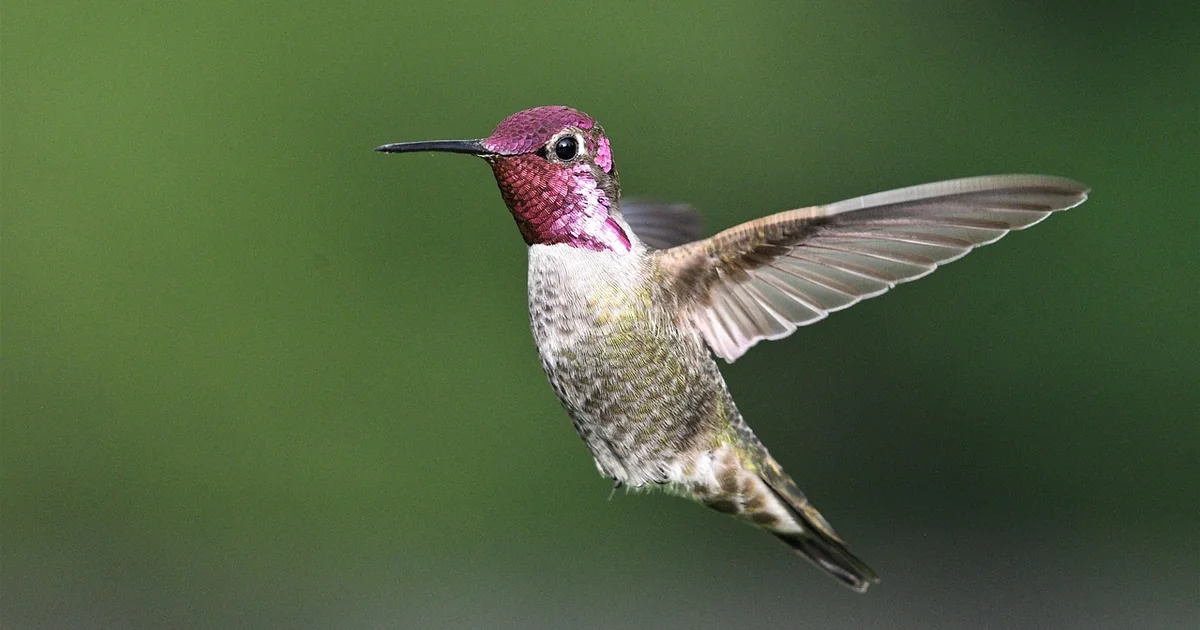
There is something magical about a hummingbird sighting. One moment you see a blur of motion, and the next, a tiny jewel-like bird hovers midair, its wings a whisper. Many gardeners long to turn that rare glimpse into a daily occurrence. The good news is that creating a welcoming environment for these energetic visitors is easier than you might think. You do not need a sprawling estate or a botany degree. With a few intentional choices, you can transform any outdoor space into a hummingbird haven.
Why Your Yard Needs a Strategy to Attract Hummingbirds
Relying on luck alone rarely works. Hummingbirds are driven by very specific needs: a reliable fuel source, safe shelter, and accessible water. They travel miles each day, burning through immense amounts of energy. A yard that offers these three elements will naturally draw them in. The trick is understanding what they truly seek versus what looks pretty to us. By learning their preferences, you can design a space they will visit repeatedly throughout the season.
1. Hang Feeders That Mimic an Abundant Flower Patch
A single well-placed feeder can hold as much nectar as roughly 2,000 to 5,000 individual flowers. That is an incredible shortcut for any gardener. But simply hanging a plastic bottle is not enough. Placement and maintenance matter enormously.
Height and Shade Matter
Hummingbirds prefer to feed in areas with dappled light or partial shade. Direct, all-day sun can cause the nectar to ferment and spoil faster. Hang your feeders between three and five feet off the ground. This height feels secure to the birds, keeping them out of reach of ground predators while still being visible to you from a window or patio.
The Perfect Homemade Nectar Recipe
Store-bought nectar often contains red dye and preservatives that offer no benefit to hummingbirds. A simple homemade mixture is safer and more economical. Combine four cups of water with one cup of white granulated sugar. Bring the mixture to a boil, stirring until the sugar dissolves completely. Let it cool before filling your feeder. Never use honey, artificial sweeteners, or brown sugar. These can harm the birds or ferment too quickly.
A Strict Cleaning Schedule Is Non-Negotiable
Change the nectar every three days, especially in warm weather. Spoiled nectar can grow mold and bacteria that cause fatal tongue infections in hummingbirds. Clean the feeder thoroughly each week with hot, soapy water. A bottle brush works well for reaching narrow necks. Rinse extremely well so no soap residue remains. A clean feeder is the single most important factor in keeping hummingbirds healthy and returning to your yard.
2. Plant Flowers with Tubular Blooms in Bold Colors
Feeders provide a quick boost, but flowers offer a natural, sustainable food source. Hummingbirds are especially drawn to tubular blossoms in shades of orange, red, and deep pink. Their long, slender beaks and extendable tongues are perfectly adapted to reach nectar hidden inside these trumpet-shaped blooms.
Native Plants Deliver the Best Results
Plants that evolved in your region are already tailored to local hummingbird species. They bloom at the right times and require less water and fertilizer than exotic imports. Here are four standout native choices that hummingbirds find irresistible:
Bee Balm (Monarda)
This perennial produces clusters of tubular flowers in red, pink, purple, or white. The blooms sit atop sturdy stems and last for several weeks in midsummer. Bee balm also attracts bees and butterflies, making it a pollinator powerhouse. It thrives in full sun to partial shade and spreads nicely over time.
Columbine (Aquilegia)
Columbine features delicate, bell-shaped flowers with backward-pointing spurs. These spurs hold nectar deep inside, accessible only to hummingbirds and long-tongued insects. Bloom colors range from blue and purple to pink, yellow, and white. The fern-like foliage adds a soft texture to garden beds. Columbine blooms in late spring, providing an early-season nectar source.
Cardinal Flower (Lobelia cardinalis)
Few plants rival the cardinal flower for sheer visual impact. Its vibrant red, tubular blossoms grow on tall, erect spikes that reach up to four feet high. The flowers appear in late summer and early fall, right when migrating hummingbirds need extra fuel. Cardinal flower prefers moist soil and partial shade, making it ideal for rain gardens or stream edges.
Jewelweed (Impatiens capensis)
This wildflower thrives where many other plants struggle: deep shade and wet soil. Its trumpet-shaped flowers are orange or yellow with reddish-brown spots. Jewelweed blooms from midsummer through fall, offering a late-season nectar supply. It also hosts the ruby-throated hummingbird’s favorite insect prey. Let a patch grow wild in a damp corner of your yard, and watch the hummingbirds appear.
Non-Native Options That Also Work Well
If native plants are unavailable, many non-native annuals and perennials still attract hummingbirds. Petunias, fuchsias, salvia, and trumpet vine are all excellent choices. Just be cautious with trumpet vine, as it can become invasive in some regions. Always check your local extension office before planting aggressive growers.
You may also enjoy reading: Design Memorial Garden: 5 Tips for Remembrance & Reflection.
3. Create a Habitat with Trees and Shrubs for Shelter
Hummingbirds spend about 80 percent of their time perching, not feeding. They need safe spots to rest, preen, and hide from predators. Open lawns offer no cover. Dense shrubs, deciduous trees, and even large trellises covered in vines provide essential shelter. Plant these near your feeders and flower beds so the birds can dart to safety if a hawk or cat approaches.
Provide Perches for Resting
Thin, bare branches make ideal perches. Hummingbirds will sit on them to survey their territory between feeding visits. If your yard lacks natural perches, install a thin dowel or a decorative metal perch near a feeder. You will be rewarded with close-up views of these tiny birds at rest.
4. Offer a Reliable Source of Shallow Water
Hummingbirds do not use traditional birdbaths with deep basins. They prefer very shallow water, no more than one and a half inches deep. A misting feature is even better. Hummingbirds fly through mist to bathe and cool off on hot days. You can buy a small mister attachment for a garden hose or place a shallow dish with a few pebbles in it. The pebbles give the birds a secure landing spot while they drink or bathe.
5. Let a Small Area Go Wild for Insects
Nectar alone does not provide complete nutrition. Hummingbirds also need protein from small insects and spiders. A single hummingbird may eat dozens of tiny bugs each day. These insects supply essential amino acids and fats that nectar lacks. To support this need, allow a section of your yard to grow a bit wild. A patch of native grasses, weeds, or wildflowers will attract gnats, aphids, and spiders. The hummingbirds will find them.
Never Use Pesticides or Insecticides
This point cannot be overstated. Any chemical spray that kills insects also removes the hummingbird’s primary protein source. Worse, the birds may ingest poisoned insects directly. Instead, tolerate a few aphids or rely on natural predators like ladybugs. Your hummingbirds will thank you with frequent visits.
6. Plan for a Continuous Bloom Cycle
Hummingbirds arrive in spring and stay through fall in most regions. Some species migrate, while others remain year-round in warmer climates. To keep them coming back, you need flowers blooming from early spring through late autumn. Plant a mix of early bloomers like columbine, mid-season stars like bee balm, and late performers like cardinal flower. This staggered schedule ensures a steady nectar supply during every stage of the season.
7. Position Feeders and Flowers for Maximum Visibility
Hummingbirds rely heavily on sight to locate food. They are naturally drawn to bright colors, especially red and orange. Place your feeders where the birds can spot them easily from a distance. Avoid hiding them behind dense foliage. At the same time, ensure the feeder is near a sheltered perch or shrub so the birds feel safe approaching. A feeder hanging in the wide open may be ignored if there is no nearby escape route.
Avoid Red Dye in Nectar
Many commercial nectars and feeder bases are tinted red to catch human eyes. Hummingbirds do not need this artificial color. In fact, some studies suggest red dye may be harmful to the birds. Instead, rely on the natural red accents of your feeder or tie a small red ribbon near the feeding port. The birds will find it just as easily.
Bringing It All Together
Creating a hummingbird-friendly yard does not require perfection. Start with one clean feeder and a single native plant. Observe which spots the birds prefer, then add more elements over time. A small, well-maintained space will always outperform a large, neglected one. The hummingbirds will reward your effort with breathtaking displays of aerial agility and shimmering color. Before long, their arrival will become a cherished part of your daily routine.