You walk into your new home. The layout is perfect. The kitchen is modern. But your eyes drop to the floor, and there it is: a sea of cold, gray vinyl plank. It is not the warm wood you dreamed of. It feels sterile, like a doctor’s waiting room. You wonder if you can ever make this space feel cozy. The answer is yes. With a few designer-approved strategies, you can transform those dreadful gray LVT floors into a background that lets your personality shine.
Why Gray LVT Floors Feel So Challenging
Gray LVT floors are a staple in many new-build homes built after 2018. They are durable. They resist water. They are easy to clean with a simple mop. But their biggest strength is also their biggest weakness. The color gray does not occur naturally in wood. It is a manufactured tone. It reflects cool light, which can make a room feel uninviting. Many homeowners describe it as “soulless” or “cold.”
The problem is not the material itself. It is the visual temperature. Cool gray floors clash with warm wood furniture. They make white walls look stark. They absorb warm light poorly. If you have ever tried to make a gray floor feel warm, you know the struggle. You place a beige rug down, and it still feels off. You add a lamp, and the room still looks flat. This is because the floor sets the entire color palette. It demands a response.
The good news is that you do not need to rip it out. You do not need to spend thousands on hardwood. You can work with what you have. The key is to treat the gray LVT floors as a neutral canvas. You paint, rug, and decorate around them. You do not let them dictate your style. You ignore them, as designer Dani Boyd suggests, and create the home you want anyway.
Tip 1: Ignore the Gray LVT Floors Completely
This tip sounds counterintuitive. How can you ignore something that covers 100% of your floor? But interior designer Dani Boyd has a specific meaning. She advises clients to decorate as if the floor does not exist. Do not let the gray tone limit your choices. Do not avoid a colorful sofa because you think it will clash. Do not skip a patterned rug because you fear it will look busy.
Boyd lived in a rental with these exact floors. She chose to decorate with her usual warm, eclectic style. She did not buy furniture to “match” the gray. She bought what she loved. The result was a space where the floor faded into the background. When you fill a room with personality—art, books, plants, textiles—the floor becomes less important. It becomes a supporting actor, not the lead.
This approach works especially well for renters. You cannot change the flooring. But you can change everything else. Use this freedom. Buy the mustard yellow armchair. Hang the large abstract painting. Place a vintage wooden trunk as a coffee table. The gray floor will recede. Your eye will be drawn to the interesting objects, not the cold surface beneath your feet.
What If My Room Is Small and Dark?
If your room lacks natural light, ignoring the floor might feel risky. You worry the gray will dominate. But the opposite is often true. A small, dark room benefits from a light, neutral floor. Gray LVT floors are usually a light to medium gray. They reflect what light there is. The trick is to amplify warmth in other ways. Use a large cream rug. Paint the walls a soft warm white. Add a mirror to bounce light around. The floor will not make the room feel smaller if the walls and ceiling are warm.
Tip 2: Choose Warm, Earthy Wall Paint
Painting the walls is the cheapest and most effective change you can make. It costs a fraction of replacing flooring. It requires no contractor. And it directly counteracts the coolness of gray LVT floors. The right wall color acts like a visual blanket. It wraps the room in warmth.
Interior designer Danielle Flax recommends a “greige” tone. Greige is a blend of gray and beige. It sits right in the middle of cool and warm. It bridges the gap between your gray floor and your warm decor. Another excellent choice is a soft warm white. Avoid pure white. It will look icy next to gray floors. Instead, choose a white with a yellow or pink undertone. Think of the color of fresh cream or a seashell.
Earthy tones also work beautifully. Think of terracotta, ochre, sage green, or a muted clay. These colors feel grounded. They remind us of soil, clay pots, and autumn leaves. They contrast with the manufactured look of gray LVT floors. A wall painted in a warm earth tone makes the floor look intentional. It says, “I chose this gray because it contrasts with this rich color.”
Why Does Trim Color Matter So Much?
Trim is the frame around your room. It includes baseboards, window casings, and door frames. If you paint your trim a bright, icy white, it will scream for attention. It will make the gray floor look even colder. The visual clash is jarring. Instead, choose a warmer white for your trim. A shade like “Swiss Coffee” or “Alabaster” has a soft, creamy undertone. It harmonizes with both the wall color and the floor. It creates a smooth transition from wall to floor. This small detail makes a massive difference.
Tip 3: Add Large Rugs to Cover the Gray
This is arguably the most important move. Rugs are your best friend when dealing with gray LVT floors. They physically cover the cold surface. They add texture. They introduce pattern. They define zones in an open-plan layout. Designer Danielle Flax calls this “bridging the coolness with warmth.” You are literally placing a warm layer between you and the floor.
Size matters here. Do not use a small 3×5 rug. It will look like a postage stamp. It will not cover enough surface area. Architectural designer Su Ozduran recommends covering 60 to 70 percent of the floor. In a living room, that means a rug that extends under the front legs of your sofa and coffee table. In a bedroom, a rug that sits under the bed and extends at least 18 inches on each side.
What colors work best? Cream, sand, and muted earth tones are safe bets. A cream rug with a subtle pattern adds warmth without clashing. A sand-colored jute rug adds natural texture. A muted terracotta or olive green rug brings in color. The rug should feel like an anchor. It should pull the room together. It can be the starting point for your entire color scheme.
Can I Layer Rugs for More Warmth?
Absolutely. Layering rugs is a designer trick that adds depth. Start with a large, neutral natural fiber rug like jute or sisal. It is affordable and adds texture. Then place a smaller, more colorful rug on top. This second rug can be wool, patterned, or vintage. The combination creates visual interest. It also makes the floor feel softer underfoot. The gray LVT floor becomes a distant memory.
Tip 4: Use Warm-Toned Decor and Textures
Once your walls and rugs are set, turn to decor. This is where your personality emerges. The goal is to fill the room with objects that feel warm to the touch and warm to the eye. Think of linen curtains, wool throw blankets, and velvet cushions. These materials absorb light. They do not reflect coldness like a smooth vinyl floor does.
Artwork is another powerful tool. Do not be afraid of color. A large painting with oranges, reds, and yellows will draw the eye upward. It distracts from the floor. It creates a focal point. Designer Danielle Flax encourages clients to use “fun art” to distract from gray floors. The art does not have to match the floor. In fact, the more contrast, the better.
You may also enjoy reading: 13 Chic Air Plant Holders to Show Off Your Collection.
Patinated materials also help. Think of aged brass, copper, or bronze. These metals develop a warm patina over time. They feel lived-in. They contrast with the new, shiny look of gray LVT floors. Place a brass lamp on a side table. Hang a copper mirror. Use bronze drawer pulls. These small touches accumulate. They shift the room’s overall temperature from cool to cozy.
Can I Use Cool Colors on Walls If I Have Gray Floors?
You can, but proceed with caution. Cool colors like blue, green, or gray on walls can make the room feel monochromatic and flat. The floor and walls might blend together. The result can feel like a cave. If you love cool tones, choose a warm version of them. A sage green with yellow undertones works better than a steel blue. A dusty lavender is safer than a bright periwinkle. Always test paint samples on the wall. Observe them at different times of day. If the room feels too cold, add warm decor to balance it.
Tip 5: Choose Brown Wood Furniture Pieces
You cannot have hardwood floors. But you can have hardwood furniture. This is a clever workaround. The brown wood adds the warmth that the floor lacks. It introduces the natural grain and color that gray LVT floors pretend to be. Designer Su Ozduran recommends finishes like oak or walnut. These woods have warm undertones. Oak has a golden hue. Walnut has a rich, dark brown. Both feel organic and inviting.
Place furniture at varying heights. A low walnut coffee table anchors the center of the room. A tall oak bookshelf draws the eye upward. A wooden console table behind the sofa adds depth. The wood should appear at multiple levels. This creates a sense of warmth that surrounds you. It is not just one piece. It is a collection of wooden elements that work together.
Do not be afraid to buy secondhand. Flea markets, vintage stores, and Facebook Marketplace are full of solid wood furniture. These pieces have character. They have history. They often cost less than new particleboard furniture. A worn wooden dining table tells a story. It feels warmer than a new gray floor ever could. The contrast between old wood and new vinyl is visually interesting. It makes the floor look like a deliberate choice, not a builder’s afterthought.
Tip 6: Rethink Your Lighting
Lighting changes everything. Gray LVT floors look different under different light sources. Harsh overhead recessed lighting makes them look cold and clinical. It casts unflattering shadows. It drains color from the room. The solution is to use multiple warm light sources at lower levels.
Use warm bulbs with a color temperature of 2700K to 3000K. This is the same warm glow as an incandescent bulb. It adds a yellow-orange tint to the light. It counteracts the cool blue of the floor. Place lamps on side tables, floor lamps in corners, and a dimmer switch on the main light. The goal is to create pools of light. These pools draw attention to furniture and decor, not the floor.
Avoid relying on ceiling lights alone. They create a flat, uniform light. They make the floor the most visible surface. Instead, use task lighting and accent lighting. A reading lamp next to a sofa creates a cozy corner. A picture light over a painting highlights art. A string of warm fairy lights adds whimsy. The floor becomes less dominant when the light is focused elsewhere.
What About Color Drenching?
Color drenching is a bold technique. You paint the walls, ceiling, trim, and even the floor the same warm color. It creates a monochromatic, immersive effect. For gray LVT floors, you can paint the floor a warm color. But this is a big commitment. It is difficult to undo. A safer version is to paint the walls and ceiling a warm shade. Leave the floor gray. The contrast between the warm walls and cool floor can be striking. It works best in rooms with high ceilings and lots of natural light.
Putting It All Together: A Sample Room Makeover
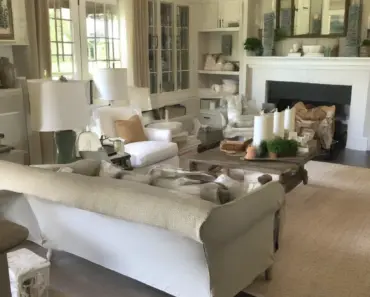
Imagine a typical new-build living room. It has gray LVT floors, white walls, and a large window facing north. The room feels cold and empty. You start by painting the walls a warm greige called “Agreeable Gray.” You paint the trim a soft creamy white. You buy a large 8×10 cream wool rug with a subtle geometric pattern. It covers 70 percent of the floor. You place a walnut coffee table on the rug. You add a beige linen sofa. You hang a large orange abstract painting above the sofa. You place a brass floor lamp in the corner. You use warm 2700K bulbs in all fixtures. The room now feels warm, inviting, and personal. The gray floor is still there. But it no longer bothers you. It blends into the background. You have successfully ignored it.
The transformation takes effort. But it costs far less than replacing flooring. It gives you creative control. You are not a victim of your builder’s choices. You are the designer of your own home. Those gray LVT floors are just a starting point. They are a neutral base. What you build on top of them is what matters.