There is a quiet rebellion happening in gardens right now. It involves a plant that many seasoned horticulturists will warn you against, a perennial with a reputation so notorious that mentioning its name at a garden club meeting can spark heated debate. Yet, despite the warnings, this very same plant is showing up in some of the most prestigious garden designs in the world, tumbling gracefully from designer pots and softening the edges of historic stone walls. The plant in question is Mexican fleabane, and understanding how to use it in invasive perennial pots might just be the secret to enjoying its undeniable charm without inviting chaos into your yard.
The Controversial Beauty of Mexican Fleabane
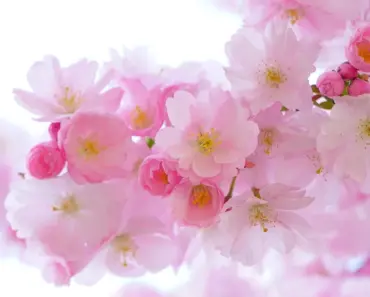
Mexican fleabane, scientifically known as Erigeron karvinskianus, is a study in contradictions. It produces an astonishing number of tiny daisy-like flowers that open pure white and gradually age to a soft blush pink, creating a cloud of color that lasts from late spring well into autumn. The effect is undeniably romantic, almost ethereal, as the plant spills over edges and weaves through neighboring plants with an airy grace. Pollinators adore it, and it thrives in conditions that would make many other plants give up entirely.
But here is the catch. This perennial is also a vigorous spreader. It forms dense mats of rhizomatous roots that can quickly smother less aggressive neighbors. It self-seeds with remarkable enthusiasm, sending tiny seedlings into every crack of paving, every gravel path, and every patch of disturbed soil it can find. In some regions, particularly in warmer climates, it has earned a legitimate place on invasive species lists. The very qualities that make it so resilient and beautiful are the same qualities that make gardeners wary.
Yet, something interesting has happened in the United Kingdom over the past decade. Mexican fleabane has quietly become one of the trendiest plants in British garden design. It appears at the RHS Chelsea Flower Show, draped over the edges of high-end container displays. The National Trust uses it to soften the ancient stonework of their properties. Garden designers actively seek it out for its ability to create that coveted cottage garden aesthetic with minimal effort. The plant has, in essence, been rehabilitated from garden villain to design darling.
The secret to this transformation? Containers. By growing Mexican fleabane in pots, British gardeners have found a way to enjoy all of its best qualities while keeping its most troublesome habits firmly in check. This approach is the core of what makes invasive perennial pots such a compelling strategy for gardeners everywhere.
Why Containers Change Everything for Aggressive Plants
The fundamental problem with invasive perennials is that they spread. They send out roots horizontally underground, they drop seeds that germinate far from the parent plant, and they gradually take over spaces where other plants once thrived. In an open garden bed, controlling this behavior requires constant vigilance, regular digging, and often a level of commitment that most home gardeners simply do not have.
A container changes the entire dynamic. The physical barrier of the pot walls stops rhizomatous roots from traveling outward. The contained soil volume limits the resources available to the plant, which naturally slows its growth rate. And perhaps most importantly, any seedlings that do appear fall into the pot itself or onto the ground immediately around it, where they are easy to spot and remove before they establish elsewhere.
This is not just a theory. My husband, who works as a professional gardener, planted Mexican fleabane in a large terracotta container outside our front window. He paired it with lavender and salvia to create a soft Mediterranean-style arrangement. The combination has been remarkably easy to maintain. The lavender needs occasional replacement, especially after a particularly wet winter. The salvia gets cut back a couple of times per season. But the Mexican fleabane simply keeps going, tumbling over the edges of the pot in a continuous cascade of flowers.
Honestly, it might be the easiest container combination we have ever grown. The plant thrives on neglect. It does not need frequent watering. It does not require fertilizer. It seems perfectly content with the occasional deadheading and the natural rainfall. The flowers bloom for months on end, and the local bee and butterfly populations cannot seem to get enough of them. This is the promise of invasive perennial pots done right: you get the beauty without the battle.
How Container Confinement Works
The mechanism is straightforward but worth understanding. When you grow an aggressive perennial in a pot, you are creating a controlled environment. The roots have nowhere to go but down and around inside the container. This confinement does not harm the plant, but it does prevent the horizontal spread that causes problems in open ground. The plant cannot send runners into neighboring flower beds because the pot wall stops them cold.
Seed dispersal is similarly managed. Mexican fleabane produces an enormous number of tiny seeds that are light enough to be carried by the wind. In an open garden, these seeds can travel significant distances before landing and germinating. In a container garden, most seeds fall into the pot itself or onto the paved area immediately surrounding it. A quick sweep of the patio every few days removes the vast majority of potential invaders before they have a chance to root.
This level of control is simply not possible when the same plant is growing in a border or naturalized area. Once Mexican fleabane establishes in a garden bed, removing it requires digging up every piece of root and monitoring the area for months afterward. In a pot, you can simply decide to stop growing it by discarding the soil and washing the container thoroughly. The risk is contained along with the plant.
Understanding the Plant’s Growth Habits
To successfully grow Mexican fleabane in containers, it helps to understand exactly what you are dealing with. This is a plant that evolved to colonize disturbed areas in its native habitat, which stretches from Mexico through Central America and into parts of South America. It is adapted to poor soil, irregular rainfall, and competition from other fast-growing species. These survival traits translate directly into the behaviors that gardeners find challenging.
The root system is rhizomatous, meaning it spreads through underground stems that send up new shoots at intervals. In open ground, a single plant can cover several square feet within a single growing season. The roots are fibrous and dense, forming a mat that can smother shallow-rooted neighbors. In a container, the same root system simply fills the available space, creating a dense, healthy root ball that supports vigorous top growth without escaping.
The flowering strategy is equally aggressive. Mexican fleabane blooms continuously from late spring until the first hard frost, producing wave after wave of flowers. Each flower head produces dozens of tiny seeds that are equipped with a pappus, a structure that allows them to float on the wind. A single plant can produce thousands of seeds over the course of a season. In a pot, most of these seeds land in the container or nearby, where they can be managed easily.
USDA Zones and Regional Considerations
Mexican fleabane generally thrives in USDA Zones 6 through 9. It prefers full sun and well-draining soil, though it will tolerate partial shade in hotter climates. The plant is drought-tolerant once established and actually performs best when not overwatered. In Zone 6, it may die back to the ground in winter but typically returns from the roots in spring. In Zones 7 through 9, it often remains evergreen or semi-evergreen throughout the year.
However, regional climate differences matter enormously for invasive potential. In cooler parts of its range, such as the Pacific Northwest or the British Isles, Mexican fleabane spreads at a manageable pace. The cooler temperatures and higher rainfall keep its growth in check, and winter cold kills back many of the seedlings that germinate late in the season. In warmer climates, particularly in the southern United States, the plant can become significantly more aggressive.
Gardeners in California, Texas, Florida, and the Gulf Coast should exercise particular caution. In these regions, Mexican fleabane can spread rapidly through gravel gardens, rockeries, and dry cracks where other plants struggle to survive. The warm winters allow seedlings to establish year-round, and the dry conditions that stress other plants are exactly what this species prefers. Checking local invasive plant lists before purchasing is essential. Some counties and municipalities may have restrictions on planting Erigeron karvinskianus even in containers.
Designing a Container Display with Mexican Fleabane
The visual appeal of Mexican fleabane in a pot is undeniable. The plant has a naturally cascading growth habit, which means it looks best when allowed to spill over the edges of a container. This softens the hard lines of terracotta, ceramic, or glazed pots and creates a sense of abundance and age. The effect is particularly striking when combined with plants that have contrasting forms and textures.
Lavender is a classic companion for Mexican fleabane. The upright spikes of lavender flowers provide vertical interest, while the silver-green foliage offers a textural contrast to the finer leaves of the fleabane. The two plants share similar growing requirements, enjoying full sun and well-drained soil. They also bloom at the same time, creating a harmonious display that lasts for months.
Salvia is another excellent partner. Many varieties of salvia produce spikes of blue, purple, or red flowers that complement the white and pink daisies of the fleabane. The salvias also attract pollinators, turning the container into a small hub of activity for bees, butterflies, and beneficial insects. The combination of lavender, salvia, and Mexican fleabane creates a Mediterranean aesthetic that feels both relaxed and sophisticated.
Pot Size and Material Choices
The size of the container matters more than you might think. Mexican fleabane has a vigorous root system, so it needs enough room to develop properly. A pot that is at least 12 to 14 inches in diameter is a good starting point for a single plant. Larger pots, 18 inches or more, allow for more elaborate combinations with multiple companion plants.
Material choice affects both aesthetics and plant health. Terracotta pots are a popular choice because they are porous, allowing excess moisture to evaporate through the walls. This helps prevent waterlogged soil, which is one of the few conditions that Mexican fleabane does not tolerate well. Glazed ceramic pots retain more moisture, so they require careful watering management. Plastic pots are lightweight and inexpensive but do not offer the same breathability or visual appeal.
Drainage is absolutely critical. Mexican fleabane will rot if its roots sit in water for extended periods. Ensure that any container you use has adequate drainage holes in the bottom. Adding a layer of gravel or pot shards at the bottom of the pot can help improve drainage, though modern potting mixes often make this unnecessary. The most important factor is using a well-draining potting mix rather than garden soil.
Maintenance and Care for Container-Grown Mexican Fleabane
One of the most appealing aspects of growing Mexican fleabane in pots is how little maintenance it requires. This is a plant that genuinely thrives on neglect. It does not need frequent fertilizing. It does not need constant deadheading. It does not need special winter protection in most of its growing zones. However, there are a few simple tasks that will keep it looking its best.
Watering should be done only when the soil feels dry to the touch. During hot, dry weather, this might mean watering every few days. During cooler, wetter periods, you might go a week or more between waterings. The plant will actually produce more flowers and tighter growth when kept on the drier side. Overwatering leads to leggy growth and can encourage root rot.
Deadheading is optional but beneficial. The plant will continue to bloom whether you remove spent flowers or not. However, regular deadheading can encourage even more prolific flowering and will reduce the number of seeds that fall into the pot. If you are concerned about seedlings escaping, a quick trim of the spent flower stems every week or two is a simple preventive measure.
Pruning is minimal. In late winter or early spring, you can cut the plant back by about one-third to encourage fresh growth and maintain a compact shape. This is also a good time to remove any dead or damaged stems. In colder zones, the plant may die back to the ground naturally, and you can simply clean up the dead material in spring.
Winter Care Considerations
In USDA Zones 7 through 9, Mexican fleabane usually survives winter in a container without special protection. The plant may go dormant or semi-dormant, with reduced growth and fewer flowers, but it will bounce back in spring. In Zone 6, the plant is borderline hardy in containers. The roots are more exposed to cold temperatures in a pot than they would be in the ground, so some winter protection may be necessary.
Moving the container to a sheltered location, such as against a south-facing wall, can help. Wrapping the pot in bubble wrap or horticultural fleece provides additional insulation for the roots. In very cold areas, you can treat the plant as an annual and replace it each spring, or you can bring the container into an unheated garage or greenhouse for the coldest months.
One note for gardeners in warmer zones: Mexican fleabane may not go fully dormant in mild winters. It may continue to bloom sporadically through the winter months, particularly in coastal areas of California or the Gulf Coast. This is normal and does not harm the plant. However, it does mean that you should continue to monitor for seedlings year-round.
Managing Seedlings and Preventing Escape
Even in a container, Mexican fleabane will produce seedlings. This is inevitable given the sheer volume of seeds the plant produces. The key is to catch these seedlings early, before they have a chance to establish in the surrounding garden or landscape. A few minutes of attention every week is usually sufficient to keep things under control.
You may also enjoy reading: 7 Porch Houseplants That Come Indoors for Winter.
Start by placing the container on a hard surface rather than directly on soil. A paved patio, a deck, or a gravel area makes it much easier to spot and remove any seedlings that fall from the pot. If the container sits directly on garden soil, the seeds can germinate in the ground below the pot and begin spreading before you notice them.
Check the area around the pot regularly. Tiny seedlings look like small rosettes of leaves close to the ground. They are easy to pull out when young, as the roots have not yet developed fully. A quick sweep of the area with a broom or a hand weeder removes them efficiently. If you find seedlings in the soil of the pot itself, simply pull them out or pinch them off.
For gardeners who are particularly concerned about spread, deadheading the flowers before they go to seed is the most effective prevention strategy. This requires more frequent attention, as the flowers fade and produce seeds within a few days. However, if you are diligent about removing spent flower heads, you can dramatically reduce the number of seeds produced.
Other Aggressive Perennials That Thrive in Containers
Mexican fleabane is not the only invasive perennial that can be successfully managed in pots. Many gardeners have discovered that container growing allows them to enjoy plants they would otherwise avoid. The principle is the same: the pot contains the roots, limits the spread, and makes seedling management straightforward.
Passionflower is a personal favorite. This vigorous vine can quickly take over a fence or trellis, sending runners in every direction. In a large container with a sturdy support structure, however, passionflower becomes a manageable and spectacularly beautiful plant. The exotic flowers are unlike anything else in the garden, and the plant is a magnet for pollinators. My neighbor’s passionflower regularly creeps over our shared fence, and although I know I should cut it back harder, I leave much of it in place because the bees love it so much.
Spanish bluebells are another example. These spring-flowering bulbs can naturalize aggressively, outcompeting native species and reducing biodiversity in natural areas. I learned this lesson firsthand earlier this spring when I was completely enchanted by a patch of Spanish bluebells that appeared in our garden seemingly out of nowhere. The flowers were a stunning shade of blue, and they seemed to multiply overnight. Removing them felt oddly emotional, but it was the right thing to do for the health of the local ecosystem. In a container, however, Spanish bluebells can be enjoyed without the guilt, as the bulbs cannot spread into surrounding areas.
Mint and Other Herbaceous Spreaders
Mint is perhaps the most famous example of a plant that is best grown in containers. Every experienced gardener has a story about planting mint in the ground and spending years trying to contain it. The underground runners travel far from the original plant, popping up in unexpected places throughout the garden. In a pot, mint is a well-behaved and productive herb that provides fresh leaves for cooking and tea without taking over the yard.
Other plants that respond well to container confinement include bee balm, which can spread aggressively through rhizomes in moist soil; gooseneck loosestrife, which forms dense colonies in garden beds; and certain varieties of bamboo, which are notorious for running. In each case, the container provides the control that makes these plants garden-worthy rather than garden-ruining.
The Emotional Side of Gardening with Thuggish Plants
There is something deeply satisfying about growing a plant that everyone says you should not grow. It feels a bit rebellious, a bit like getting away with something. But there is also a genuine aesthetic payoff. Some of the most beautiful plants in the world are also the most aggressive. Their vigor is part of what makes them so stunning. They grow quickly, flower profusely, and create an impression of abundance that slower-growing plants cannot match.
I have a history of falling for slightly thuggish plants. My stepfather actively encourages this behavior, stuffing tiny plants into cracks in his old walls and letting them tumble out naturally. He creates the kind of romantic cottage garden display that people spend years trying to recreate. His gardens are full of plants that would be considered invasive in other contexts, but they are managed and contained in ways that make them assets rather than liabilities.
I guess that is the difficult thing about gardening. Sometimes the prettiest plants are also the ones we need to handle most carefully. It is easy to fall in love with a cloud of tiny daisy flowers that appear for months on end, shifting from white to blush pink as they age. It is harder to accept that the same plant can smother native species and reduce biodiversity if left unchecked. But that is the reality of gardening with vigorous plants. Knowledge and management are the keys to enjoying them responsibly.
Practical Steps for Starting Your Own Invasive Perennial Pot
If you are ready to try growing Mexican fleabane or another aggressive perennial in a container, here is a step-by-step guide to getting started. The process is straightforward, but attention to a few key details will make the difference between success and frustration.
First, select your container. Choose a pot that is large enough for the plant to develop a healthy root system but not so large that it becomes difficult to move. A 14 to 18 inch pot is ideal for most combinations. Ensure the pot has drainage holes and consider using a saucer to catch excess water if the pot will sit on a surface that could be damaged by moisture.
Second, prepare the potting mix. Use a high-quality potting mix designed for containers, not garden soil. Garden soil compacts in pots and does not drain well. Add a slow-release fertilizer according to the package directions, or plan to feed the plants with a liquid fertilizer every few weeks during the growing season.
Third, plant your combination. Place the Mexican fleabane near the edge of the pot so it can spill over the side. Position taller plants like lavender or salvia toward the center or back of the pot. Leave enough space between plants for air circulation, as crowded plants are more prone to disease.
Fourth, water thoroughly after planting. The soil should be evenly moist but not waterlogged. After the initial watering, let the soil dry out between waterings. Mexican fleabane prefers to be on the dry side, and overwatering is the most common mistake new growers make.
Fifth, place the container in a location that receives at least six hours of direct sunlight per day. Full sun is essential for the best flowering. If you live in a very hot climate, some afternoon shade can help prevent the flowers from fading too quickly.
Finally, establish a monitoring routine. Check the pot and the area around it once a week for seedlings. Pull any that you find. Deadhead spent flowers if you want to reduce seed production. Enjoy the continuous bloom and the visitors it attracts.
A Final Thought on Containing the Uncontainable
After all, if life has taught me anything, sometimes a plant can be both troublesome and adored. The trick is knowing how to live with it on your own terms. Containers give us that control. They allow us to enjoy the beauty of vigorous plants without the regret of watching them take over. They let us have our garden and contain it too.
Mexican fleabane in a pot is a perfect example of this principle in action. The plant has not changed. It is still the same enthusiastic grower, the same prolific seeder, the same potential invader. But the container changes the context. What was a problem in the border becomes a feature on the patio. What was a threat to biodiversity becomes a haven for pollinators. What was a source of stress becomes a source of joy.
That is the real power of invasive perennial pots. They do not change the plant. They change the relationship between the gardener and the plant. And sometimes, that is exactly what we need to fall in love with a plant all over again.